Feral animals threaten alpine sphagnum bog recovery
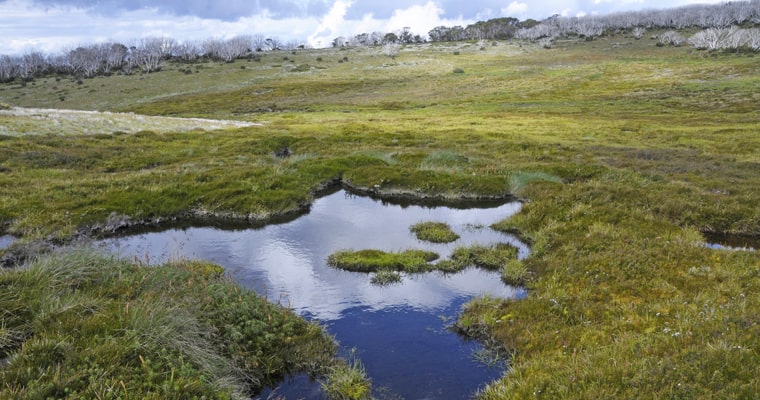
Alpine sphagnum bogs burnt in the 2019-20 bushfires won’t recover without protection from feral animals.
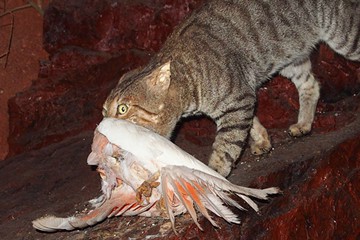
Our ebulletin the Feral Herald covers conservation news and actions to help you protect Australia's native plants and wildlife from invasive species.

Alpine sphagnum bogs burnt in the 2019-20 bushfires won’t recover without protection from feral animals.

The federal government has opened up a new inquiry into the problem of feral and domestic cats in Australia.
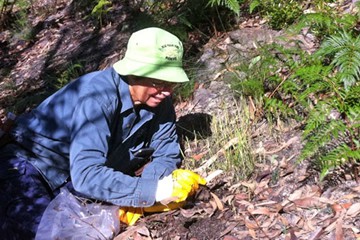
A call has been put out for people to look out for weed seeds germinating and spreading into bushland after the bushfires.
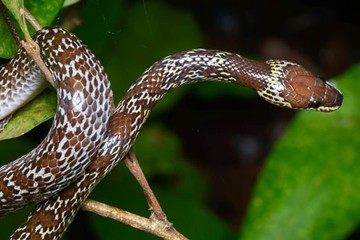
Australia’s native lizards and snakes at huge risk from a slew of weeds, foxes, cats, feral deer, wolf snakes and other pest species.
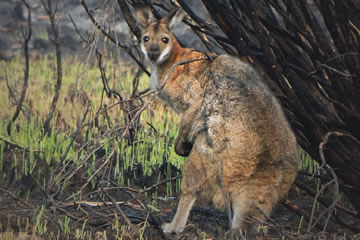
Our work is and always will be about stopping the invasion and spread of hostile weeds, pest animals and diseases that threaten our natural environment. It’s our core business.
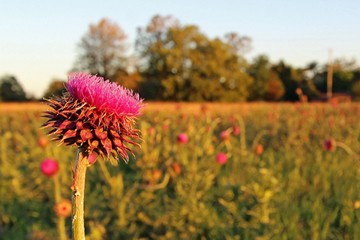
The Weeds Australia website is designed to help us all wrangle weeds better and its creators want your feedback on how to take it to the next level.
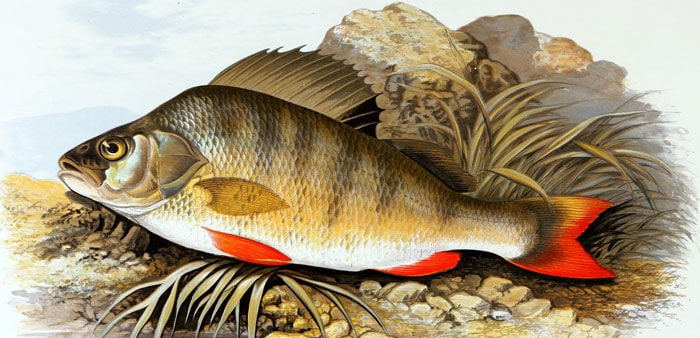
Snowy 2.0 could put native endangered fish at greater risk of extinction.
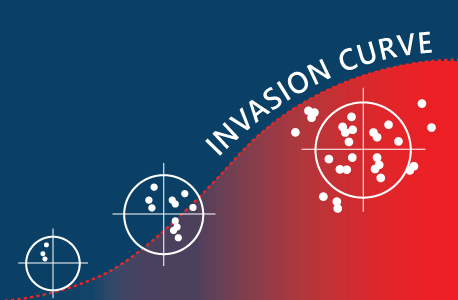
The coronavirus pandemic has shown the need to act hard and fast when new diseases emerge, the same approach has to be taken on invasive species.
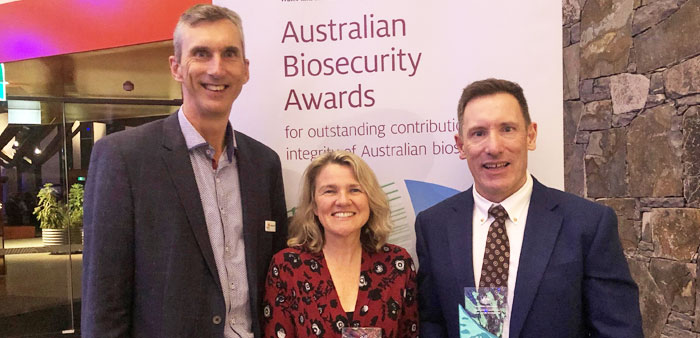
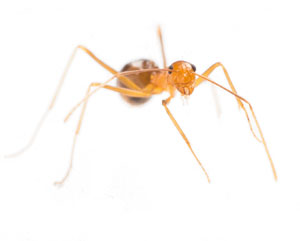
Fast action to eradicate yellow crazy ants from Lismore has been recognised at this year’s Australian Biosecurity Awards.
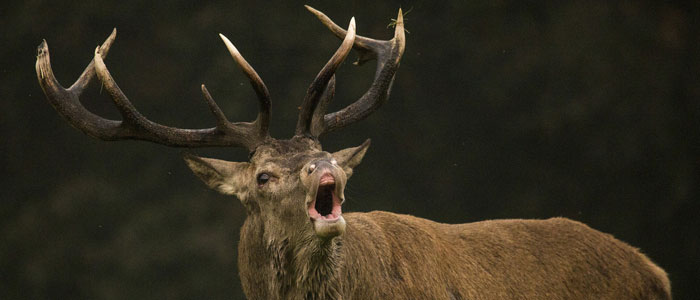
Australian Senate inquiry told feral deer are a destructive, invasive feral pest species that are multiplying out of control.
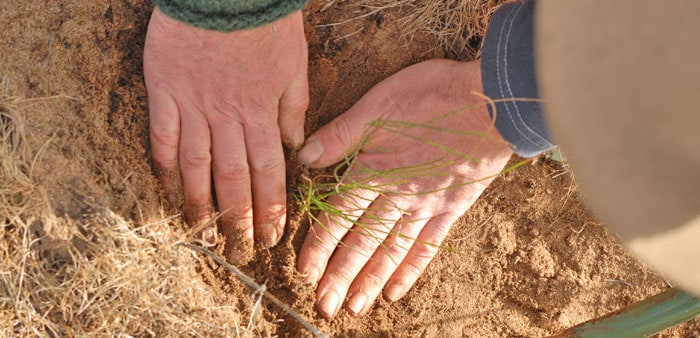
Australia has to be ready to bounce back from the coronavirus pandemic and a jobs-rich conservation and land management program could be just the ticket.
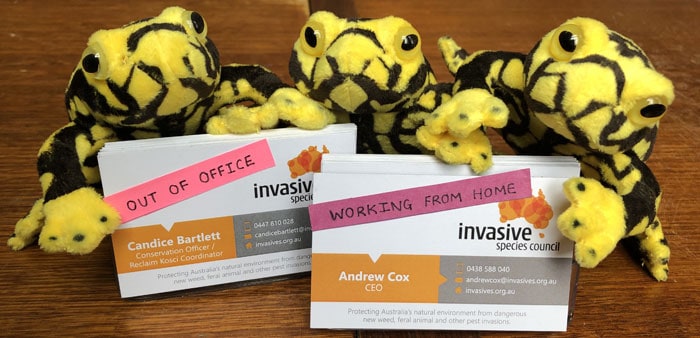
Global efforts to limit the spread of the coronavirus are disrupting everybody’s lives but, despite the challenges, we are determined to continue with our important work.
After the bushfires predation and competition from feral pests and invasion by weeds now pose some of the biggest threats to our struggling wildlife.
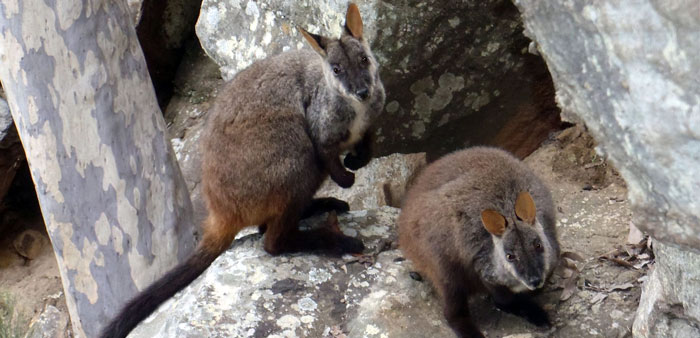
Some of the biggest threats to wildlife recovering from the Australian bushfires will come from feral animals, including foxes and cats thriving in the aftermath of the fires.
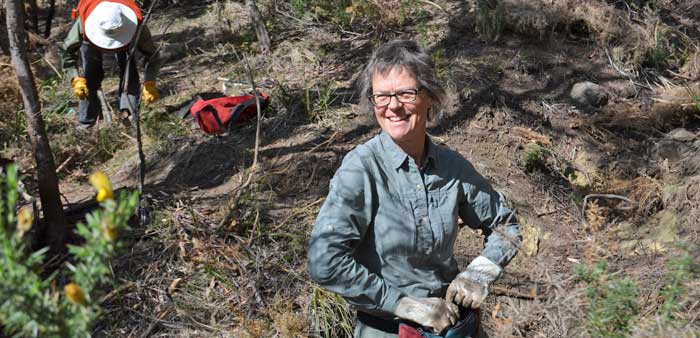
We’re looking for people to seek out and snap ants, bees and wasps in their neighbourhood. For every QuestaGame find, $1 is donated to the Invasive Species Council.

The future of the Wet Tropics Management Authority’s Yellow Crazy Ant Eradication Program has been locked in with the Queensland Government locking in $9 million in funding to the project.

A stunning new book by Kirsha Kaechele begs the question, can we see invasive species as not just a problem to be exterminated, but also as a potential asset?
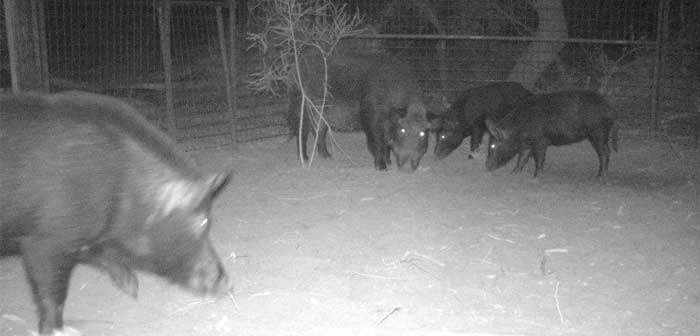
Remotely controlled gates are being used to trap feral pigs in far northwest Victoria.
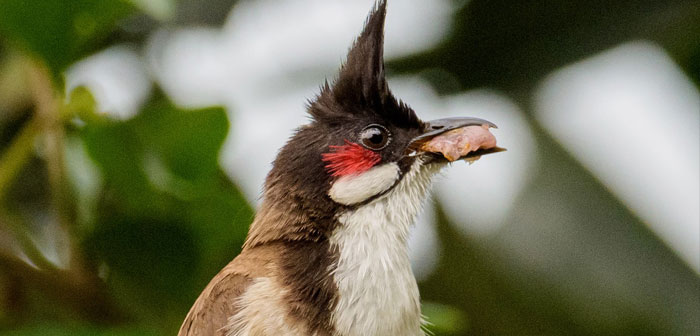
Ecologist Nicki de Preu takes a look at changes to South Australia’s declared pests list and a new policy on new and emerging pests.

An audit report looking at NSW biosecurity responses and compliance released this week reveals that NSW Department of Primary Industries (DPI) has been found wanting.

1257 of Australia’s listed threatened species are on death row because of environmental invaders like feral cats, rabbits, weeds and the killer plant disease Phytophthora.
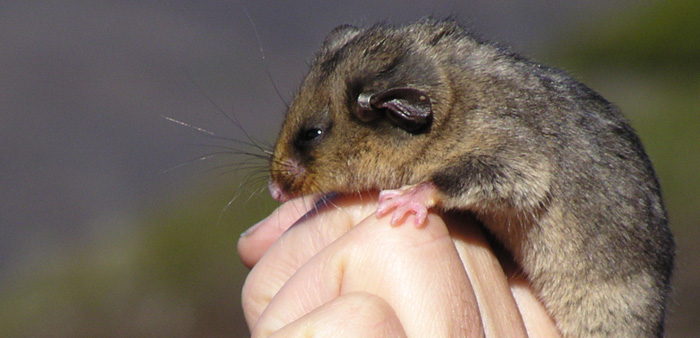
1257 of Australia’s listed threatened species are on death row because of environmental invaders like feral cats, rabbits, weeds and the killer plant disease Phytophthora.

Invasive species are one of the biggest drivers of environmental loss in Australia, and threaten our native animals and plants more than any other single factor.
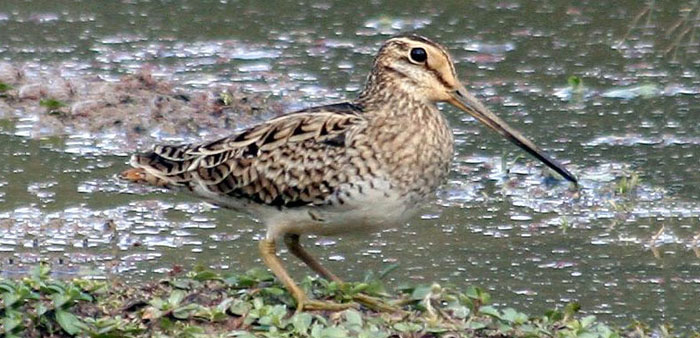
Is the Animal Justice Party condemning Australia’s threatened species to extinction by refusing to create policies based on science?
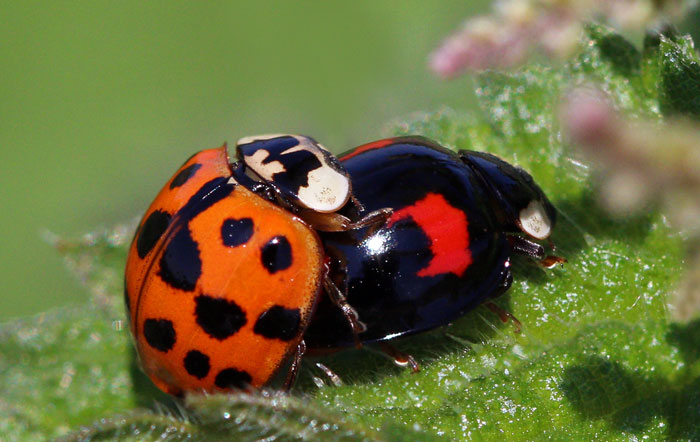
Is Australia ready to fend off insect armageddon?
Victoria has released a park plan to protect its fragile river red gum forests and wetlands from feral horses. Have your say by supporting the plan.

NSW goes to the polls on Saturday 23 March. Do you know where the major parties stand on environmental weeds, pests and feral animals?
Our CEO visited Canada to address two invasive species forums. We look at how responses to invasive species are handled differently in Canada compared with Australia.
Australia is made great strides in environmental biosecurity over the past year, but have we turned the corner yet?

It’s official. Invasive species imperil more of Australia’s threatened native species than any other threat.

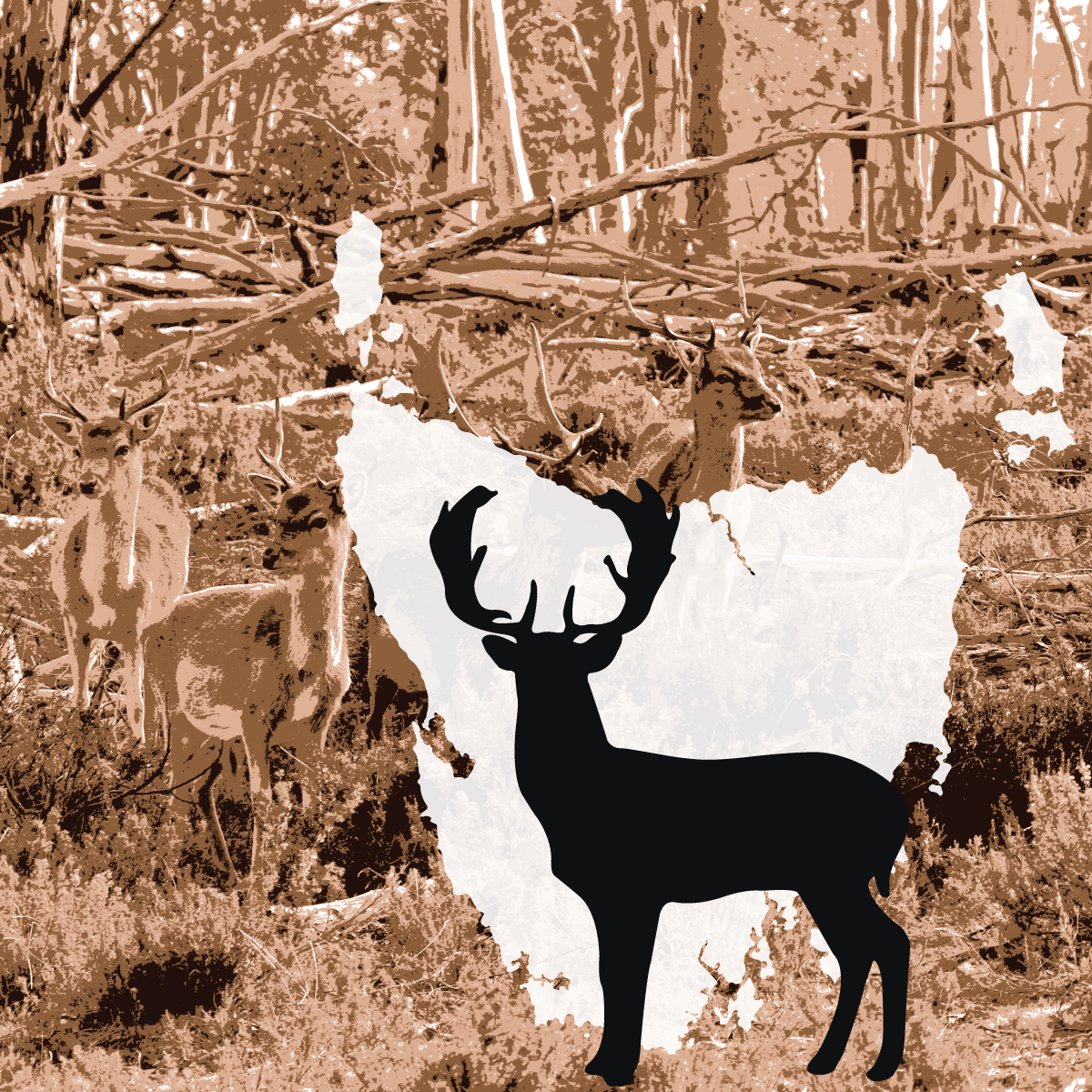
A review of Tasmania’s wildlife regulations is the perfect time to end the protected ‘wildlife’ status of feral deer.
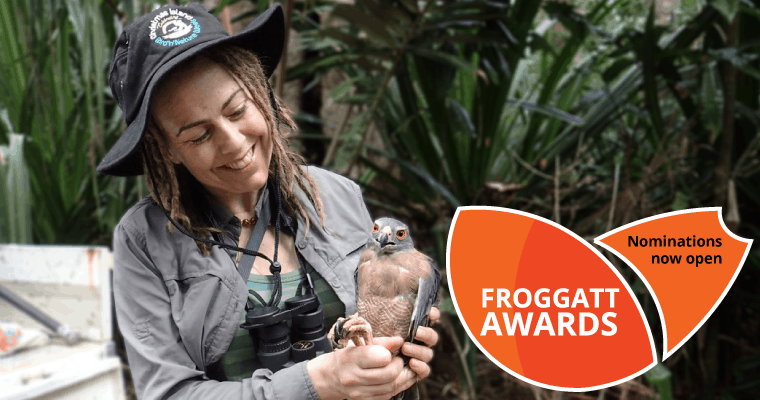
Time to put your thinking cap on and put forward nominations for this year’s Froggatt Awards.

Tim Low exposes a global trade in ‘pet ants’ that could unleash waves of environmentally destructive new ant invasions.

A new paper reveals invasive species as the highest impact threat to Australia’s native plants and animals.
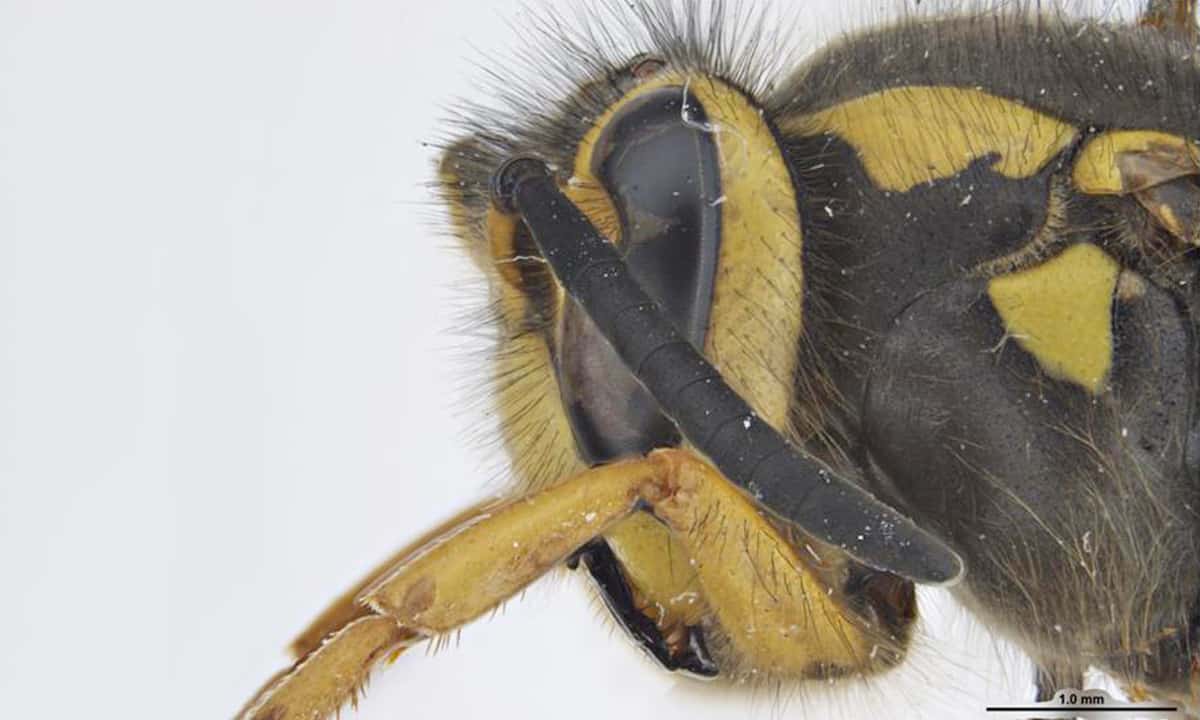
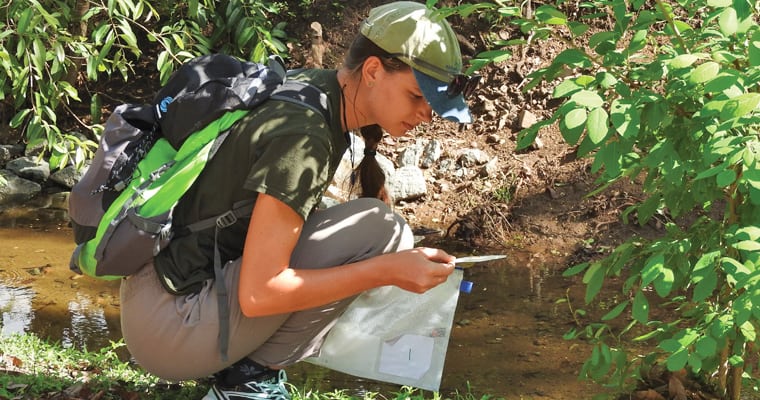
Tim Low introduces Insect Watch, a handy guide for anyone interested in identifying and reporting potential new pest species.

The Centre for Invasive Species Solutions has launched an exciting new podcast series talking all things ‘feral animal and weeds’ innovation.
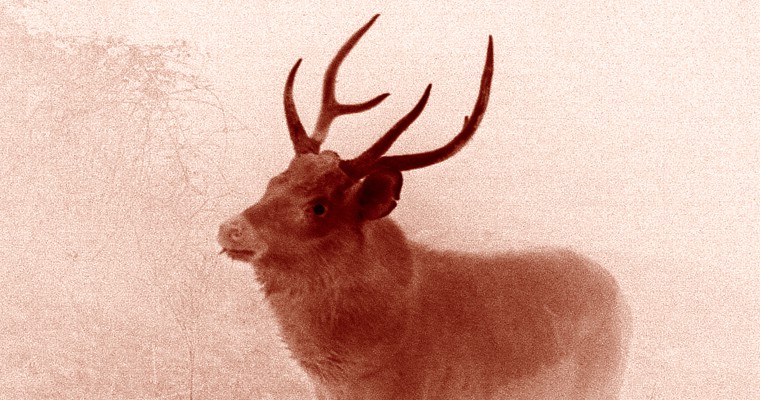
A review of Victoria’s Wildlife Act is a chance to move on from the past by managing feral deer as a pest.
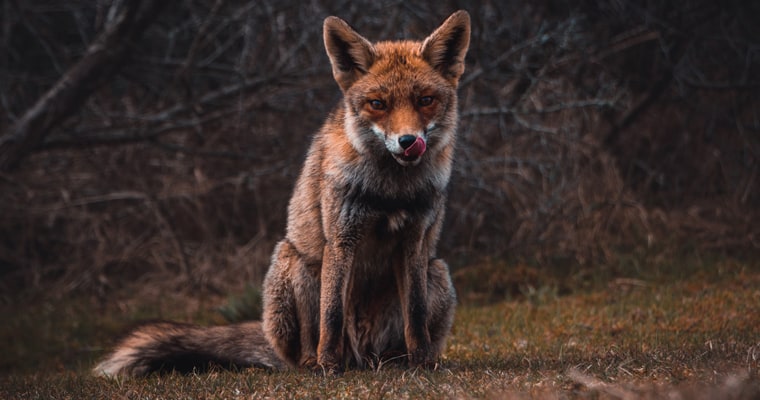
Join a stimulating debate about the practical consequences of using 1080, a pesticide for controlling harmful invaders such as foxes.

One of the bad boys of the weed world pampas grass is making a comeback across NSW.
Get our blog the Feral Herald delivered to your inbox.
Our protected areas are being trashed, trampled, choked and polluted by an onslaught of invaders. Invasive species are already the overwhelming driver of our animal extinction rate, and are expected to cause 75 of the next 100 extinctions.
But you can help to turn this around and create a wildlife revival in Australia.
From numbats to night parrots, a tax-deductible donation today can help defend our wildlife against the threat of invasive weeds, predators, and diseases.
As the only national advocacy environment group dedicated to stopping this mega threat, your gift will make a big difference.
A silent crisis is unfolding across Australia. Every year, billions of native animals are hunted and killed by cats and foxes. Fire ants continue to spread and threaten human health. And the deadly strain of bird flu looms on the horizon. Your donation today will be used to put the invasive species threat in the media, make invasive species a government priority, ensure governments take rapid action to protect nature and our remarkable native wildlife from invasives-led extinction, death and destruction.
If you are having trouble submitting a form, please read this guide.
Please fill out the following form and one of our team will be in contact to assist as soon as possible. Please make sure to include any helpful information, such as the device you were using (computer, tablet or mobile phone) and if known, your browser (Mozilla Firefox, Chrome, Safari etc)
"*" indicates required fields
Dear Project Team,
[YOUR PERSONALISED MESSAGE WILL APPEAR HERE.]
I support the amendment to the Kosciuszko National Park Wild Horse Heritage Management Plan to allow our incredible National Parks staff to use aerial shooting as one method to rapidly reduce feral horse numbers. I want to see feral horse numbers urgently reduced in order to save the national park and our native wildlife that live there.
The current approach is not solving the problem. Feral horse numbers have rapidly increased in Kosciuszko National Park to around 18,000, a 30% jump in just the past 2 years. With the population so high, thousands of feral horses need to be removed annually to reduce numbers and stop our National Park becoming a horse paddock. Aerial shooting, undertaken humanely and safely by professionals using standard protocols, is the only way this can happen.
The government’s own management plan for feral horses states that ‘if undertaken in accordance with best practice, aerial shooting can have the lowest negative animal welfare impacts of all lethal control methods’.
This humane and effective practice is already used across Australia to manage hundreds of thousands of feral animals like horses, deer, pigs, and goats.
Trapping and rehoming of feral horses has been used in Kosciuszko National Park for well over a decade but has consistently failed to reduce the population, has delayed meaningful action and is expensive. There are too many feral horses in the Alps and not enough demand for rehoming for it to be relied upon for the reduction of the population.
Fertility control as a management tool is only effective for a small, geographically isolated, and accessible population of feral horses where the management outcome sought is to maintain the population at its current size. It is not a viable option to reduce the large and growing feral horse population in the vast and rugged terrain of Kosciuszko National Park.
Feral horses are trashing and trampling our sensitive alpine ecosystems and streams, causing the decline and extinction of native animals. The federal government’s Threatened Species Scientific Committee has stated that feral horses ‘may be the crucial factor that causes final extinction’ for 12 alpine species.
I recognise the sad reality that urgent and humane measures are necessary to urgently remove the horses or they will destroy the Snowies and the native wildlife that call the mountains home. I support a healthy national park where native species like the Corroboree Frog and Mountain Pygmy Possum can thrive.
Dear Project Team,
[YOUR PERSONALISED MESSAGE WILL APPEAR HERE.]
I support the amendment to the Kosciuszko National Park Wild Horse Heritage Management Plan to allow our incredible National Parks staff to use aerial shooting as one method to rapidly reduce feral horse numbers. I want to see feral horse numbers urgently reduced in order to save the national park and our native wildlife that live there.
The current approach is not solving the problem. Feral horse numbers have rapidly increased in Kosciuszko National Park to around 18,000, a 30% jump in just the past 2 years. With the population so high, thousands of feral horses need to be removed annually to reduce numbers and stop our National Park becoming a horse paddock. Aerial shooting, undertaken humanely and safely by professionals using standard protocols, is the only way this can happen.
The government’s own management plan for feral horses states that ‘if undertaken in accordance with best practice, aerial shooting can have the lowest negative animal welfare impacts of all lethal control methods’.
This humane and effective practice is already used across Australia to manage hundreds of thousands of feral animals like horses, deer, pigs, and goats.
Trapping and rehoming of feral horses has been used in Kosciuszko National Park for well over a decade but has consistently failed to reduce the population, has delayed meaningful action and is expensive. There are too many feral horses in the Alps and not enough demand for rehoming for it to be relied upon for the reduction of the population.
Fertility control as a management tool is only effective for a small, geographically isolated, and accessible population of feral horses where the management outcome sought is to maintain the population at its current size. It is not a viable option to reduce the large and growing feral horse population in the vast and rugged terrain of Kosciuszko National Park.
Feral horses are trashing and trampling our sensitive alpine ecosystems and streams, causing the decline and extinction of native animals. The federal government’s Threatened Species Scientific Committee has stated that feral horses ‘may be the crucial factor that causes final extinction’ for 12 alpine species.
I recognise the sad reality that urgent and humane measures are necessary to urgently remove the horses or they will destroy the Snowies and the native wildlife that call the mountains home. I support a healthy national park where native species like the Corroboree Frog and Mountain Pygmy Possum can thrive.