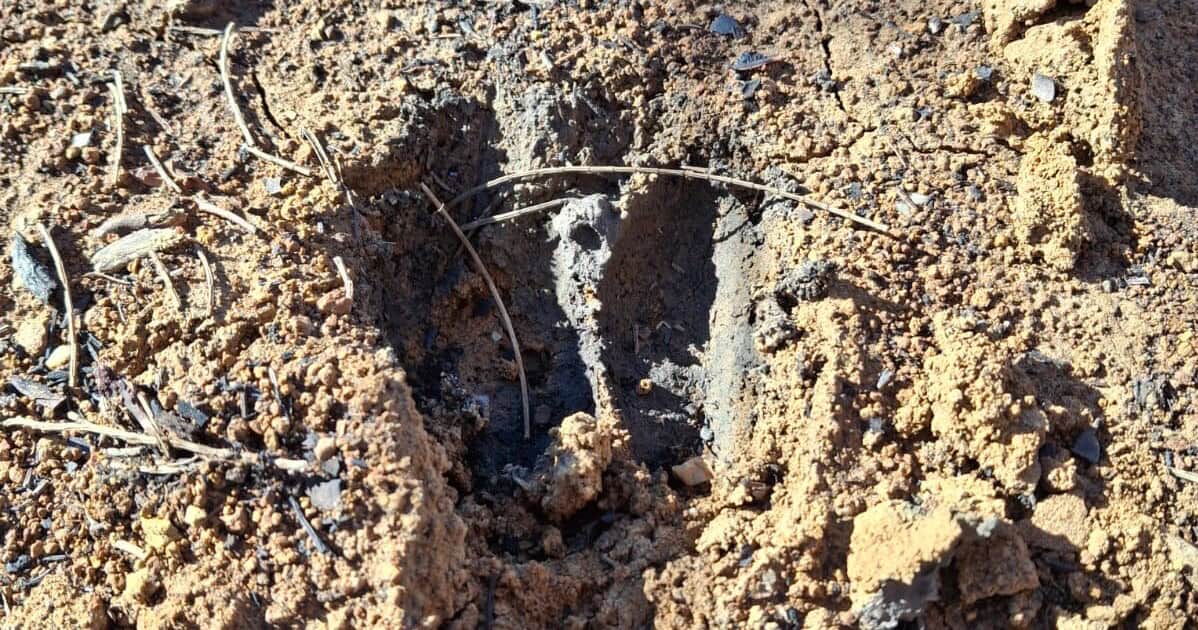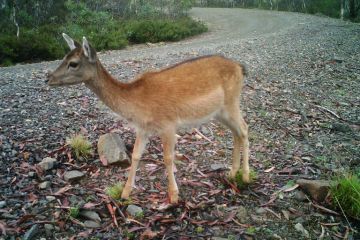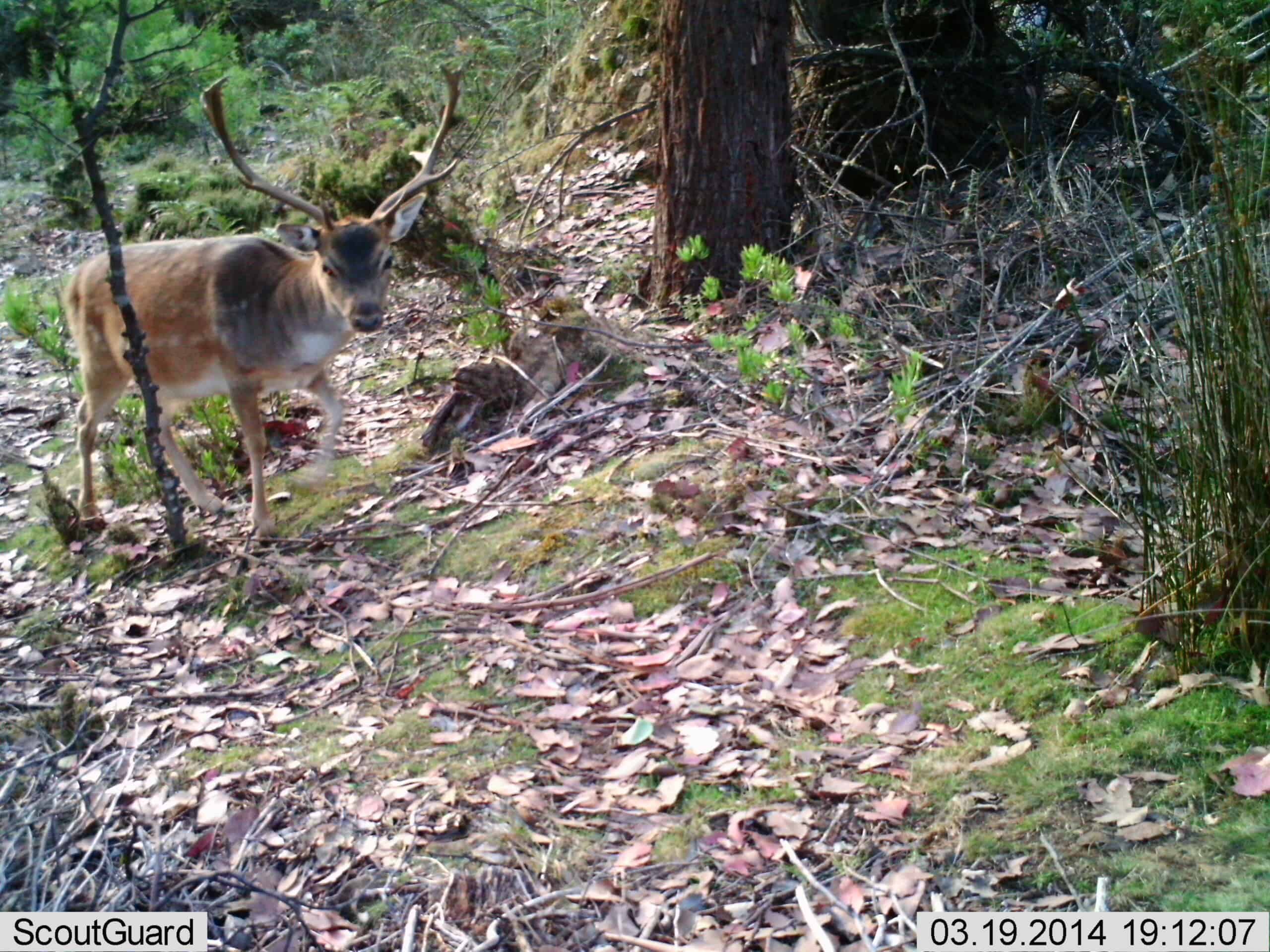
The Invasive Species Council has welcomed the Tasmanian government’s frank assessment that its current approach to feral deer is not working, saying the review of the state’s deer management plan is an opportunity to finally bring rising deer numbers under control.
The public consultation for Tasmania’s next deer plan is now open and the government’s accompanying discussion paper acknowledges that continuing the current approach is unlikely to stop deer numbers and spread. The discussion paper canvasses major reforms including removing the protected status of deer, declaring them a pest and establishing priority eradication zones.
‘This is a refreshingly frank assessment from the government that what Tasmania has been doing simply isn’t enough,’ Invasive Species Council Tasmanian campaigner Dr Tiana Pirtle said.
‘Deer numbers are rising, their range is expanding and the government’s own discussion paper rates the effectiveness of Tasmania’s current approach as low.
‘The good news is some of the reforms needed to turn that around are now firmly on the table.
‘For the first time in a long time, we are seeing serious consideration of removing the outdated protected status of feral deer and potentially declaring them a pest.
‘That would be a major step forward. Tasmania is the only state or territory that still gives fallow deer protected status across all land, despite the growing damage they cause to farms, communities and the environment.
‘We also welcome consideration of a much clearer approach to where deer should be eradicated, including priority areas such as islands and peninsulas where eradication is achievable.
‘The current system has tried to balance reducing deer impacts with maintaining deer populations for recreational hunting. The results speak for themselves – deer numbers continue to rise.
‘Relying on recreational hunting is not a population control strategy. The government’s own paper acknowledges that large-scale deer population suppression has not been achieved through recreational hunting alone in Tasmania or elsewhere in Australia.
‘Tasmania now needs coordinated, landscape-scale control using the right tools for the job, including professional ground shooting and aerial control where appropriate.’
Tasmania’s estimated fallow deer population increased from 53,660 in 2019 to 71,655 in 2024, while deer are now estimated to occupy at least 27 per cent of the state.
The government discussion paper also cites Invasive Species Council-commissioned economic analysis estimating deer caused more than $53 million in damage in 2025 and could impose more than $750 million in costs over the next 30 years if the current approach continues.
Dr Pirtle said a stronger management plan would ultimately succeed or fail based on whether the government funded its implementation.
‘A more ambitious plan is exactly what Tasmania needs, but a plan without the people and funding to deliver it won’t succeed.
‘The government itself acknowledges that success depends on the resources deployed on the ground.
‘That means properly resourcing coordinated control in the Midlands, expanding peri-urban deer control, eradicating isolated populations where that is still achievable and continuing effective control in the Tasmanian Wilderness World Heritage Area.
‘The government deserves credit for putting some genuinely significant reforms on the table. Now it needs to use this review to deliver a plan that matches the scale of Tasmania’s deer problem – and fund it to succeed.’
Public consultation on the Tasmanian Wild Fallow Deer Management Plan 2027–2032 closes at 5pm on 26 November 2026.
Media inquiries: (02) 8006 5004
Related Content