
Help defend Australia’s wildlife from new invasive threats
Fewer than 200 orange-bellied parrots remain in the wild. Every one of them is flying toward threats it has no way to fight.
Australia’s wildlife evolved in isolation for millions of years. Many of our native animals have little natural defence against invasive species and diseases from overseas, and for species already surviving in tiny numbers, a single new disease could be catastrophic.
Right now, the Invasive Species Council is working to stop preventable threats before they reach our wildlife — pressing the Australian Government not to open new pathways for dangerous parrot diseases, pushing for stronger biosecurity protections for nature, and campaigning for the investment needed to help our wildlife withstand threats like H5 bird flu.
The Australian Government is considering allowing parrot imports from countries beyond New Zealand. The last time this was permitted, between 1990 and 1995, two serious parrot diseases entered the country. For a bird as rare as the orange-bellied parrot, with eroded natural immunity, a single infected import could be the difference between survival and extinction.
That’s why we’re actively campaigning against this proposal and pressing the government not to expose Australia’s parrots to an unnecessary new disease risk. The decision hasn’t been made yet, and the government could still reverse it.
At the same time, H5 bird flu, which in a few months killed more than 650,000 wild birds and 30,000 sea lions overseas, has now reached Australian territory. Our black swans, Australian sea lions, Tasmanian devils and parrots have never encountered this virus before.
We can’t stop H5 bird flu spreading through the natural movement of wild birds. But we can prevent other, avoidable outbreaks, improve our preparedness, and help wildlife populations grow more resilient to the threats we can’t keep out.
These are the moments when prevention matters most. Once a new invasive species or wildlife disease takes hold in nature, the damage can be extraordinarily difficult — and sometimes impossible — to undo. Prevention is our best and cheapest defence.
Your donation will help us keep these threats on the national agenda and press governments for stronger prevention, preparedness and faster action. That includes campaigning for a $200 million national wildlife resilience package — an investment in invasive species control, habitat restoration, predator management and wildlife recovery that would strengthen native species populations before large-scale outbreaks hit, not after.
Please give today to help us act while there’s still time to make a difference — not after it’s too late.
Donate to protect Australia's wildlife from emerging threats.
"*" indicates required fields
Your generous tax-deductible gift helps fund our fight to protect Australia’s native species.
We need to act now.
Australia has a rare opportunity to stop new environmental disasters before they happen.
Once invasive species establish in the wild, eradication becomes enormously difficult and expensive. With wildlife diseases, it can be almost impossible.
We are already seeing the consequences when biosecurity fails.
The tiny polyphagous shot-hole borer arrived hidden in imported material and remained undetected for years. Eradication in Western Australia has now failed.
H5 bird flu, which in just a few months killed more than 650,000 wild birds and 30,000 sea lions overseas, has now reached Australian territory. Our native wildlife has never encountered this virus before.
And fewer than 200 orange-bellied parrots remain in the wild, while the Australian Government considers allowing live parrot imports from countries beyond New Zealand. The last time this was permitted, between 1990 and 1995, two serious parrot diseases entered the country. For a bird as rare as the orange-bellied parrot, a single infected import could be the difference between survival and extinction.
But these outcomes are not inevitable.
The Invasive Species Council is working to stop preventable threats before they reach our wildlife — actively campaigning against risky parrot imports, pushing for stronger biosecurity protections for nature, demanding better surveillance and faster responses to emerging pests, and campaigning for a $200 million national wildlife resilience package to help native species withstand threats like H5 bird flu.
We can’t stop every threat. But we can prevent avoidable outbreaks, improve our preparedness and help wildlife populations grow more resilient to the threats we can’t keep out.
Prevention is our best defence. Your donation helps us act while there is still time to make a difference — not after it’s too late.
With your support, we win!
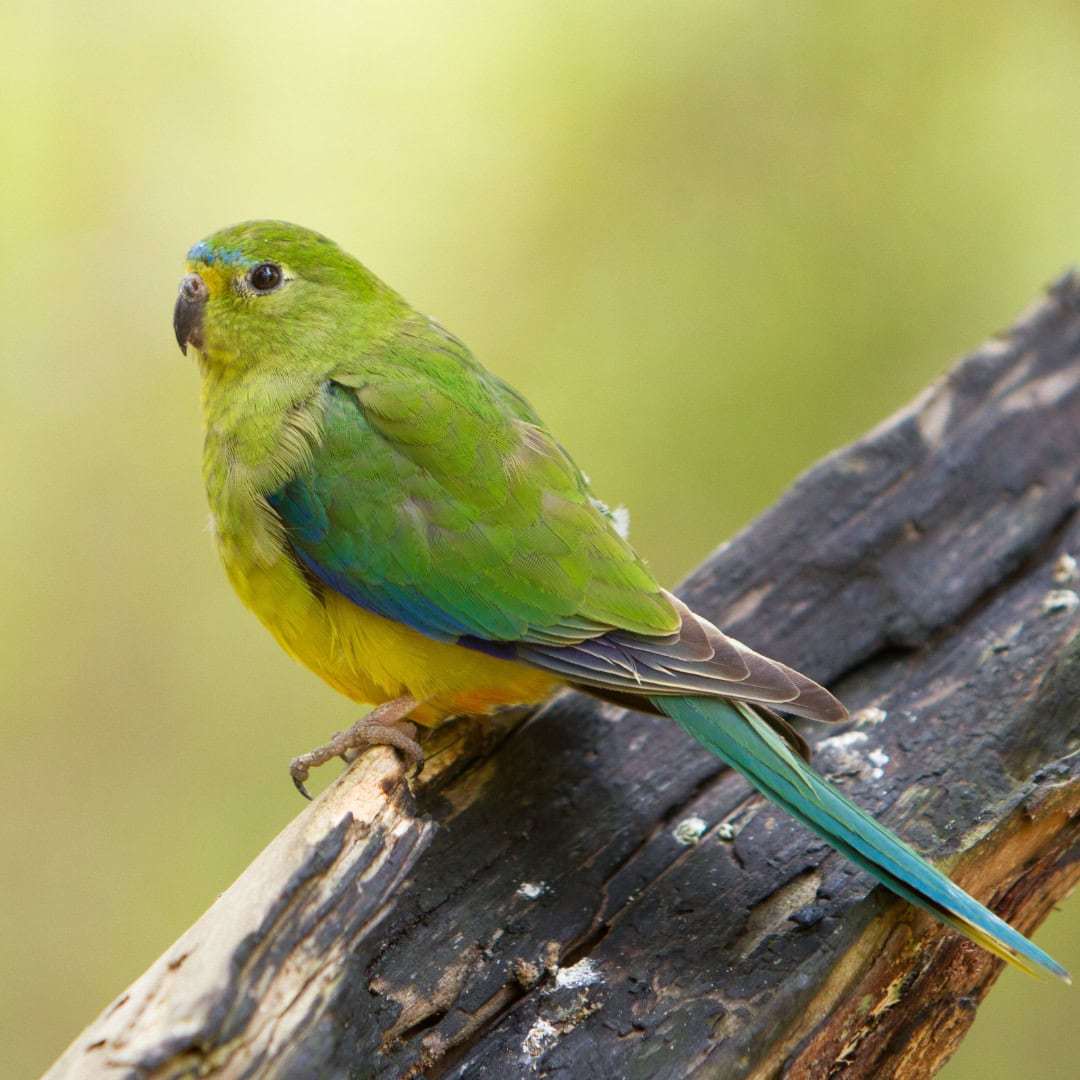
Protect one of our rarest birds
Fewer than 200 orange-bellied parrots remain in the wild. They need us to speak up and take action. Your support helps us fight risky import decisions that could expose vulnerable native birds to new diseases.
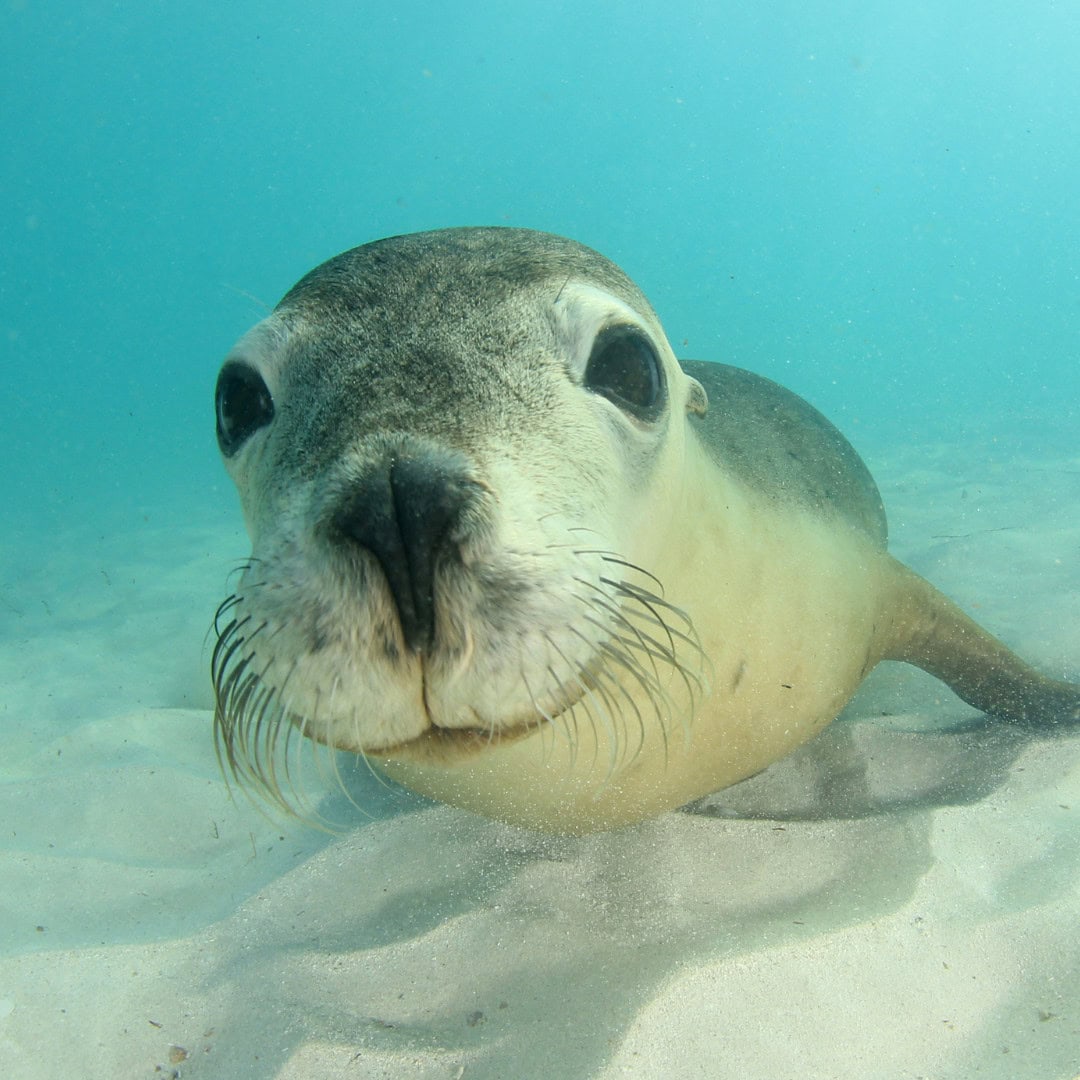
Prepare our animals for the next outbreak
H5N1 has devastated wildlife overseas. Your support helps us push for stronger wildlife preparedness to protect species like the Australian sea lion before future outbreaks reach our shores.
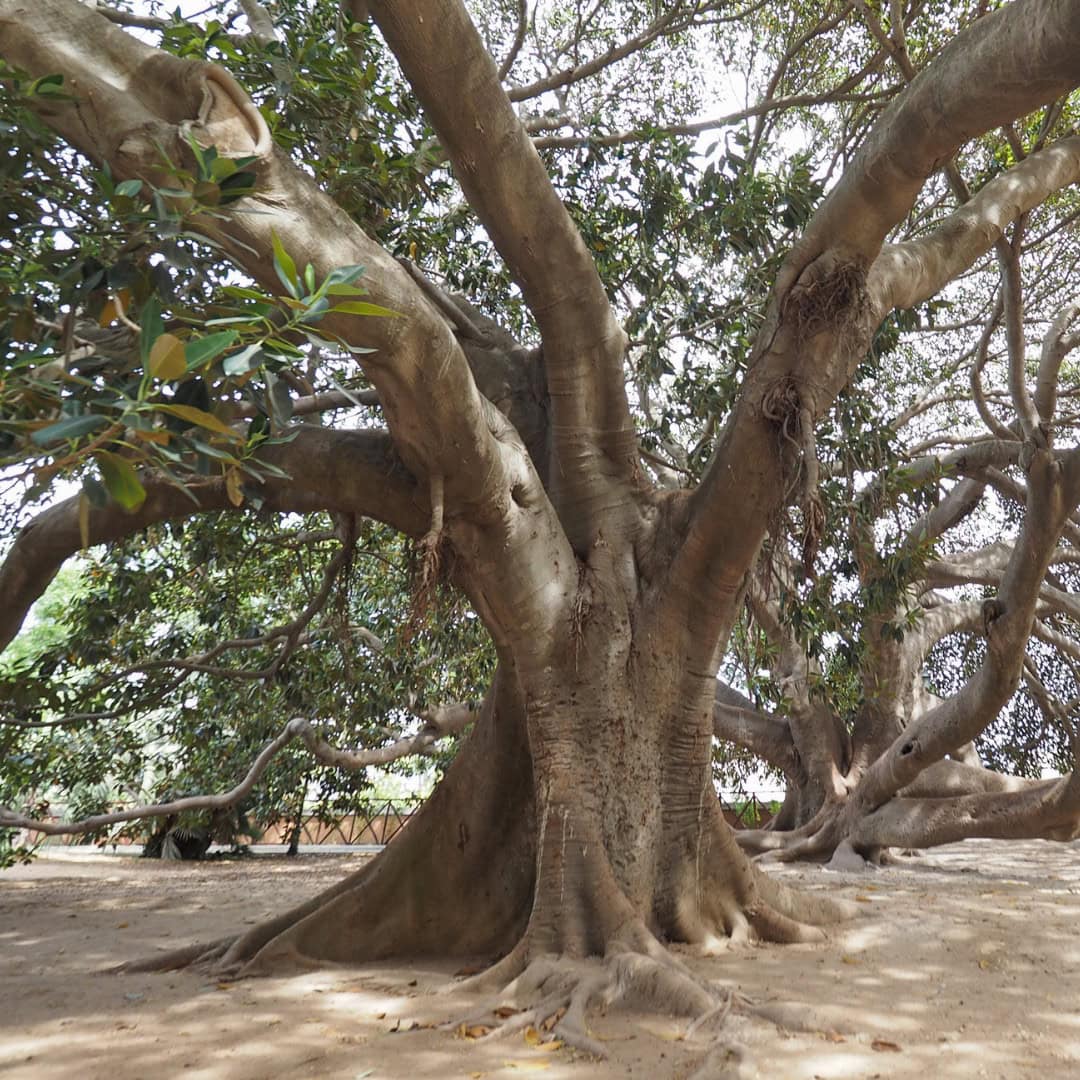
Defend Australia's iconic native trees
Shot-hole borer is already killing trees in Western Australia, and Moreton Bay figs and other native trees are at risk. Your support helps us push for stronger surveillance and faster action.