Landmark paper confirms deadly threat of invasive species
A new paper reveals invasive species as the highest impact threat to Australia’s native plants and animals.
Our ebulletin the Feral Herald covers conservation news and actions to help you protect Australia's native plants and wildlife from invasive species.

A new paper reveals invasive species as the highest impact threat to Australia’s native plants and animals.

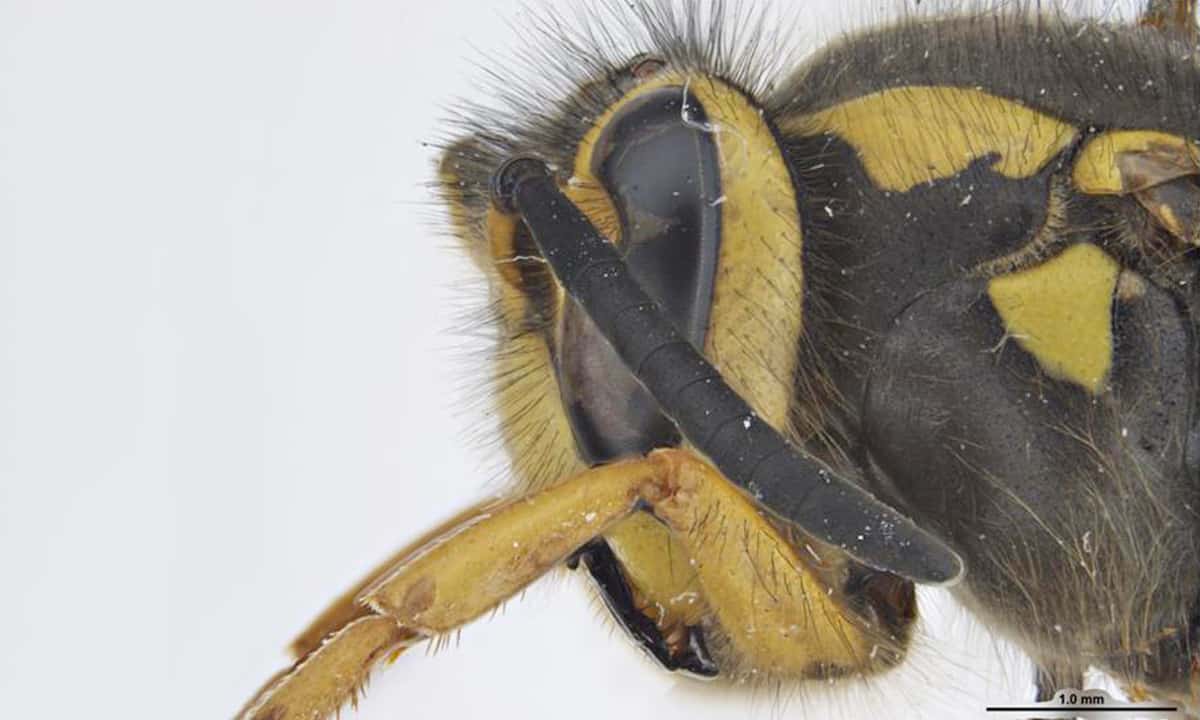
Tim Low introduces Insect Watch, a handy guide for anyone interested in identifying and reporting potential new pest species.

The Centre for Invasive Species Solutions has launched an exciting new podcast series talking all things ‘feral animal and weeds’ innovation.
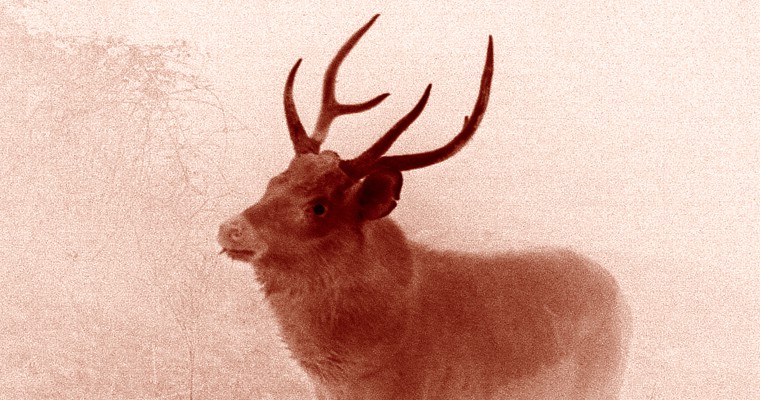
A review of Victoria’s Wildlife Act is a chance to move on from the past by managing feral deer as a pest.
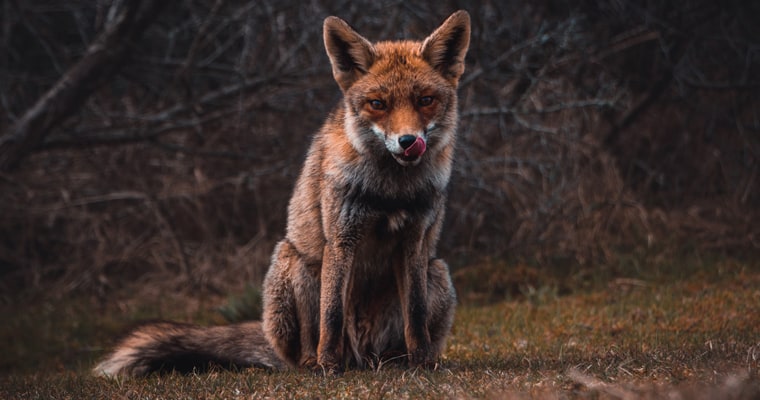
Join a stimulating debate about the practical consequences of using 1080, a pesticide for controlling harmful invaders such as foxes.

One of the bad boys of the weed world pampas grass is making a comeback across NSW.

Dr Annelise Wiebkin is ready to tackle one of Australia’s worse emerging pest animal problems – feral deer.

Parks Victoria has a chance to rid the state’s Alpine National Park of feral horses in the next decade. Can it do it?
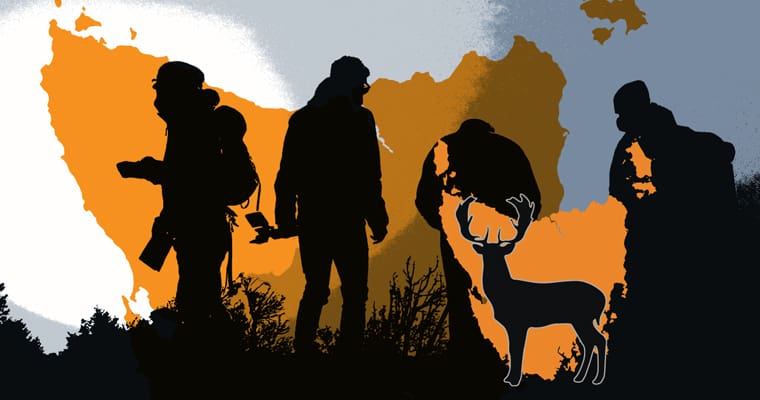
Bushwalkers, rural property owners and campers called on to help map spread of feral deer across Tasmania.

Pet cats can bring love into your world, but if not cared for properly they can also bring unwanted visitors such as diseases.
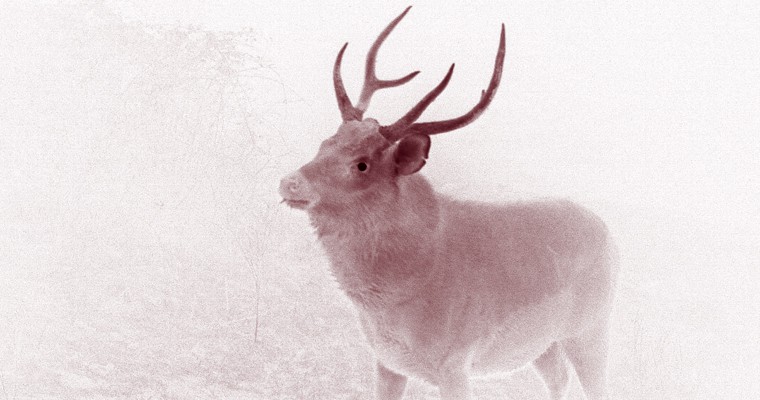
Removing deer and other feral animals from some of the state’s most popular national parks is a critical step in helping nature recover from the 2019-20 bushfires.
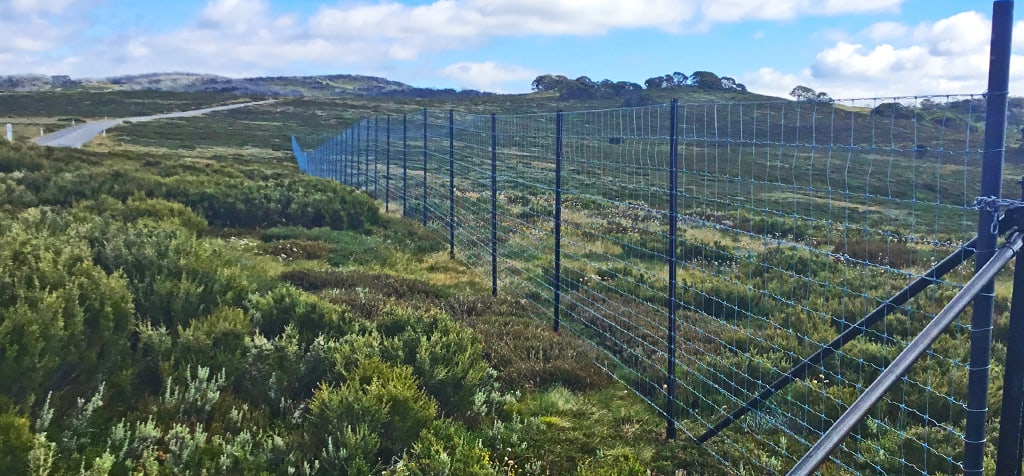
The cost of important alpine research in Victoria’s Bogong High Plains is being pushed up by the encroachment of sambar deer and feral horses.

The successful eradication of all pest animals on Macquarie Island has paved the way for an incredible explosion in bird populations.

We pay tribute to Ian Thompson, Australia’s first Chief Environmental Biosecurity Officer.

A count of horse numbers in Kosciuszko National Park after the 2020-21 bushfires confirms the urgent need to reduce numbers to protect the park.

Midnight Oil frontman and environmental champion Peter Garrett joins fight to protect Kosciuszko National Park from feral horses.

Help protect Australia’s dry tropics and Wet Tropics World Heritage Area from the march of yellow crazy ants.

Have your say on the development of a deer management plan for Tasmania. Initial submissions must be in by 12 December 2020.

Australia’s love affair with imported fresh flowers runs the risk of introducing deadly insect invaders into the country, warns Tim Low.

Meet Leo. He loves sleeping, and eating, and sitting on laps. He’s an indoor cat, and looks aside, a very, very happy cat.
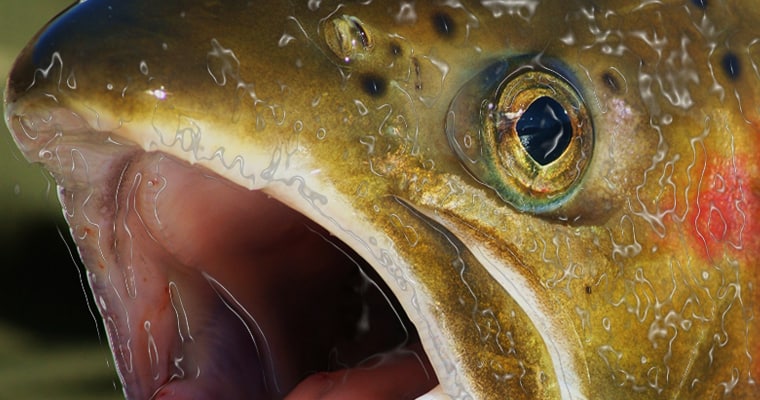
New research has identified invasive trout as among the greatest threats to Australia’s most vulnerable native fish species.
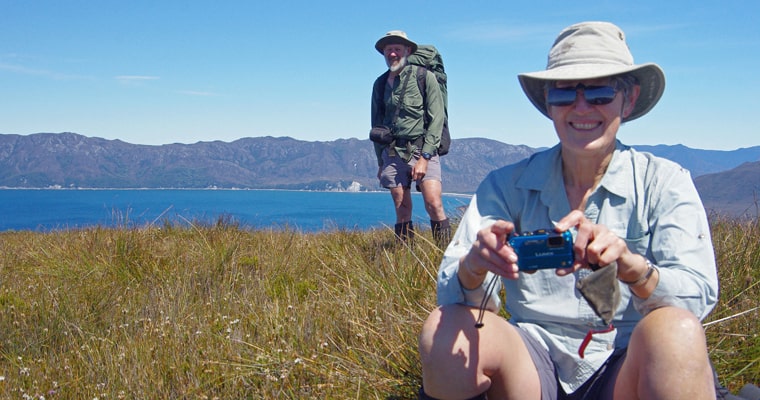
An award-winning wilderness weeding venture has put a callout for volunteers ready to brave Tasmania’s wild wilderness coastline this summer.

National environmental laws are failing to stop species becoming extinct in Australia.

The discovery of yellow crazy ant clusters less than 20km from Townsville has alarmed the local taskforce battling these invasive ants.

Four out of five Aussies would back environmental initiatives like tree planting, weed removal and river restoration to keep people in regional communities employed while we recover from the economic impacts of COVID-19.
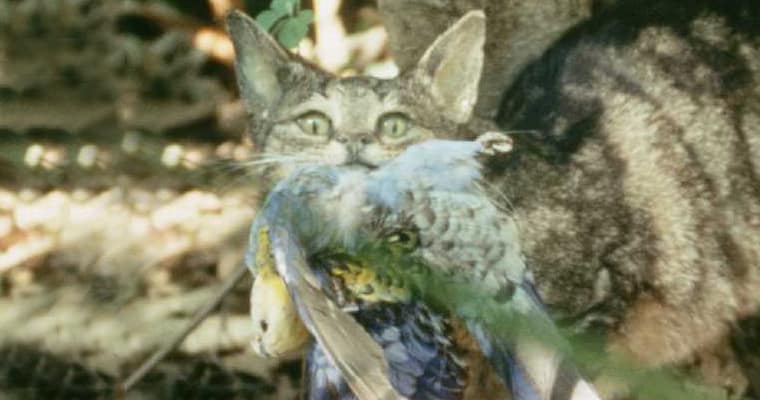
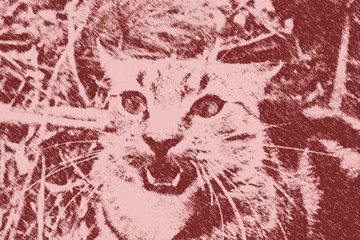
Cats can be affectionate, playful, mischievous, lazy and regal, but they also have a dark side, one that has taken a huge toll on Australian wildlife.

Professor Graeme Samuel’s interim review of Australia’s key national conservation law, the EPBC Act, is a straight talking critique of its failings.
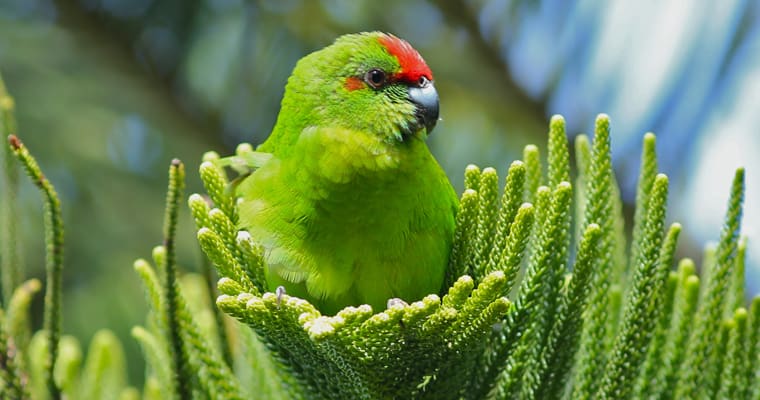
Remote Norfolk Island is a haven for wildlife found nowhere else on the planet. But the survival of many is directly threatened by invasive species.
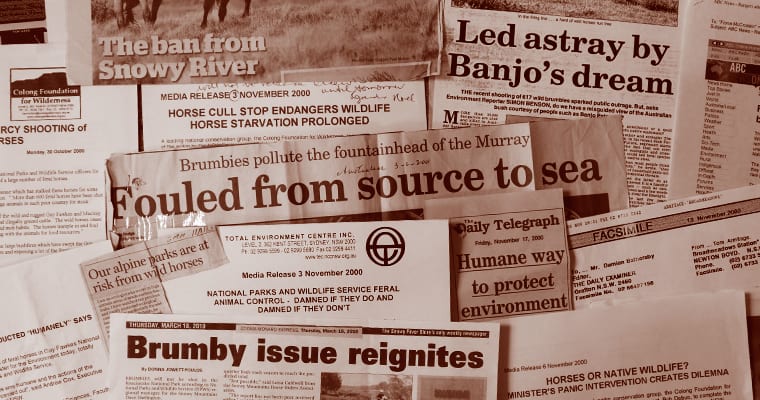
Will strong leadership by NSW environment minister Matt Kean be enough to see science-based feral horse management in Kosciuszko National Park become the new norm?

Keeping a lid on the spread of yellow crazy ants in Nome near Townsville is vital work that needs the help of the local community.

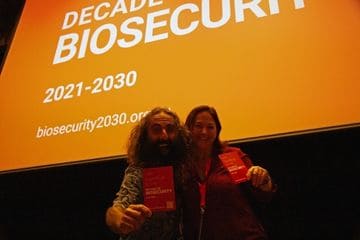
As the Invasive Species Council celebrates 20 years, a major milestone was achieved – we co-hosted Australia’s second ever Biosecurity Symposium

There’s a federal election slated for May this year, and we have one word at the top of our priority list.
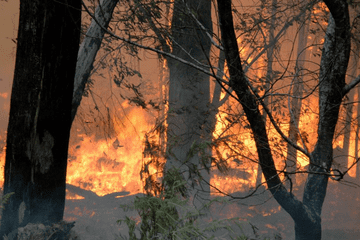
Our election guide to what needs to be done to tackle the #1 threat to our environment.

It’s been five years since we nearly lost funding to control these dangerous ants.

And, for the first time, we have also stripped a past winner of their award.
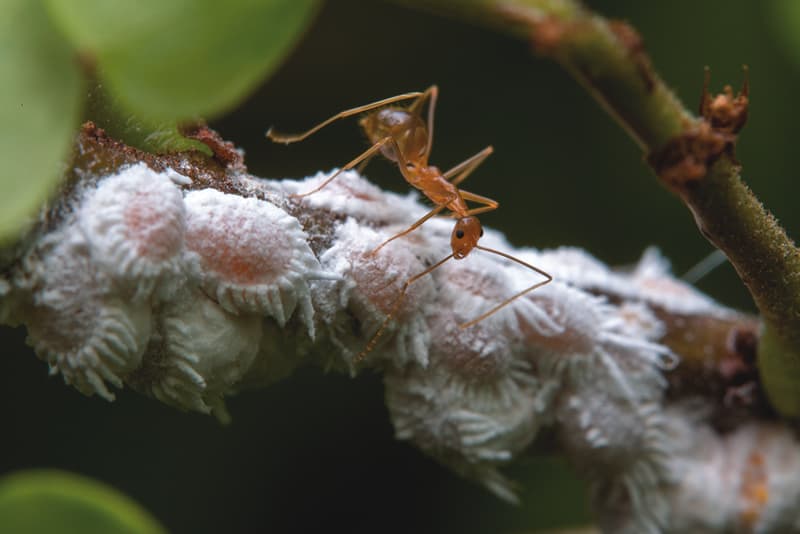
A new report developed by the CSIRO and the Centre for Invasive Species Solutions details how and why invasive species are the major threat to Australia’s threatened species — currently ahead of habitat destruction and climate change.

How do we go about tackling the challenge of invasive species?

If you are out and about over summer try observing and identifying insects. It’s fun and you could even end up discovering a dangerous new pest insect!

At least 33 Australian mammal species are extinct – the worst mammal extinction record in the world – 24 mainly because of feral cats and foxes.
Get our blog the Feral Herald delivered to your inbox.
Our protected areas are being trashed, trampled, choked and polluted by an onslaught of invaders. Invasive species are already the overwhelming driver of our animal extinction rate, and are expected to cause 75 of the next 100 extinctions.
But you can help to turn this around and create a wildlife revival in Australia.
From numbats to night parrots, a tax-deductible donation today can help defend our wildlife against the threat of invasive weeds, predators, and diseases.
As the only national advocacy environment group dedicated to stopping this mega threat, your gift will make a big difference.
A silent crisis is unfolding across Australia. Every year, billions of native animals are hunted and killed by cats and foxes. Fire ants continue to spread and threaten human health. And the deadly strain of bird flu looms on the horizon. Your donation today will be used to put the invasive species threat in the media, make invasive species a government priority, ensure governments take rapid action to protect nature and our remarkable native wildlife from invasives-led extinction, death and destruction.
If you are having trouble submitting a form, please read this guide.
Please fill out the following form and one of our team will be in contact to assist as soon as possible. Please make sure to include any helpful information, such as the device you were using (computer, tablet or mobile phone) and if known, your browser (Mozilla Firefox, Chrome, Safari etc)
"*" indicates required fields
Dear Project Team,
[YOUR PERSONALISED MESSAGE WILL APPEAR HERE.]
I support the amendment to the Kosciuszko National Park Wild Horse Heritage Management Plan to allow our incredible National Parks staff to use aerial shooting as one method to rapidly reduce feral horse numbers. I want to see feral horse numbers urgently reduced in order to save the national park and our native wildlife that live there.
The current approach is not solving the problem. Feral horse numbers have rapidly increased in Kosciuszko National Park to around 18,000, a 30% jump in just the past 2 years. With the population so high, thousands of feral horses need to be removed annually to reduce numbers and stop our National Park becoming a horse paddock. Aerial shooting, undertaken humanely and safely by professionals using standard protocols, is the only way this can happen.
The government’s own management plan for feral horses states that ‘if undertaken in accordance with best practice, aerial shooting can have the lowest negative animal welfare impacts of all lethal control methods’.
This humane and effective practice is already used across Australia to manage hundreds of thousands of feral animals like horses, deer, pigs, and goats.
Trapping and rehoming of feral horses has been used in Kosciuszko National Park for well over a decade but has consistently failed to reduce the population, has delayed meaningful action and is expensive. There are too many feral horses in the Alps and not enough demand for rehoming for it to be relied upon for the reduction of the population.
Fertility control as a management tool is only effective for a small, geographically isolated, and accessible population of feral horses where the management outcome sought is to maintain the population at its current size. It is not a viable option to reduce the large and growing feral horse population in the vast and rugged terrain of Kosciuszko National Park.
Feral horses are trashing and trampling our sensitive alpine ecosystems and streams, causing the decline and extinction of native animals. The federal government’s Threatened Species Scientific Committee has stated that feral horses ‘may be the crucial factor that causes final extinction’ for 12 alpine species.
I recognise the sad reality that urgent and humane measures are necessary to urgently remove the horses or they will destroy the Snowies and the native wildlife that call the mountains home. I support a healthy national park where native species like the Corroboree Frog and Mountain Pygmy Possum can thrive.
Dear Project Team,
[YOUR PERSONALISED MESSAGE WILL APPEAR HERE.]
I support the amendment to the Kosciuszko National Park Wild Horse Heritage Management Plan to allow our incredible National Parks staff to use aerial shooting as one method to rapidly reduce feral horse numbers. I want to see feral horse numbers urgently reduced in order to save the national park and our native wildlife that live there.
The current approach is not solving the problem. Feral horse numbers have rapidly increased in Kosciuszko National Park to around 18,000, a 30% jump in just the past 2 years. With the population so high, thousands of feral horses need to be removed annually to reduce numbers and stop our National Park becoming a horse paddock. Aerial shooting, undertaken humanely and safely by professionals using standard protocols, is the only way this can happen.
The government’s own management plan for feral horses states that ‘if undertaken in accordance with best practice, aerial shooting can have the lowest negative animal welfare impacts of all lethal control methods’.
This humane and effective practice is already used across Australia to manage hundreds of thousands of feral animals like horses, deer, pigs, and goats.
Trapping and rehoming of feral horses has been used in Kosciuszko National Park for well over a decade but has consistently failed to reduce the population, has delayed meaningful action and is expensive. There are too many feral horses in the Alps and not enough demand for rehoming for it to be relied upon for the reduction of the population.
Fertility control as a management tool is only effective for a small, geographically isolated, and accessible population of feral horses where the management outcome sought is to maintain the population at its current size. It is not a viable option to reduce the large and growing feral horse population in the vast and rugged terrain of Kosciuszko National Park.
Feral horses are trashing and trampling our sensitive alpine ecosystems and streams, causing the decline and extinction of native animals. The federal government’s Threatened Species Scientific Committee has stated that feral horses ‘may be the crucial factor that causes final extinction’ for 12 alpine species.
I recognise the sad reality that urgent and humane measures are necessary to urgently remove the horses or they will destroy the Snowies and the native wildlife that call the mountains home. I support a healthy national park where native species like the Corroboree Frog and Mountain Pygmy Possum can thrive.