Defending Australia from red fire ants
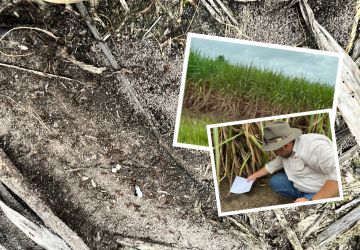
Reece Pianta is the Advocacy Manager at the Invasive Species Council. I had heard about the fire ant fields in Texas – no-go zones where
Our ebulletin the Feral Herald covers conservation news and actions to help you protect Australia's native plants and wildlife from invasive species.

Reece Pianta is the Advocacy Manager at the Invasive Species Council. I had heard about the fire ant fields in Texas – no-go zones where

“For modern Australia to say no, I think that’s their loss. I feel sorry for them. But I mostly feel sorry for Country and our future generations.”
Voice of Country program lead and ISC Indigenous Ambassador, Richard Swain reflects on the referendum outcome and the journey to heal Country.
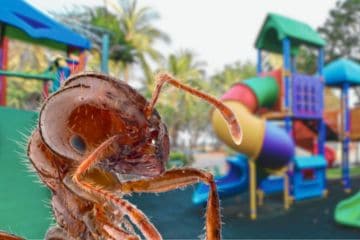
Fire ants are on the march across Australia. Here are 8 facts about them you should know.

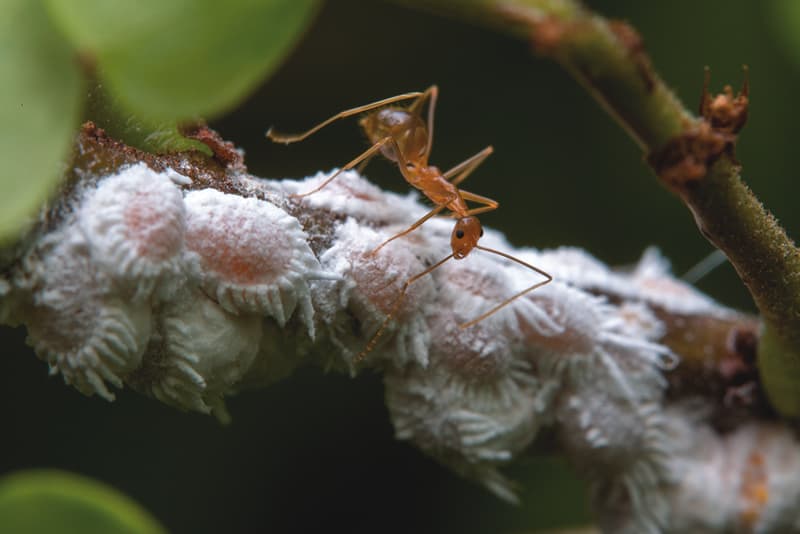
Northern Queensland’s delicate ecosystems hang in the balance – their future under threat from ravenous supercolonies of yellow crazy ants. To deal with the problem, we first need to identify any locations the ants have spread to. You can help! Join the Bug Hunt and help our bug-ologists track invasive and at-risk native insects in Australia.

The Gondwanan Galaxiidae fish family has managed to survive millions of years in the freshwater ecosystems of Australia. Now, their existence hangs by a thread as ten of the species, including the critically endangered Kosciuszko galaxias have been listed as threatened under our national environmental law.

Cats have contributed to the extinction of 27 of Australia’s native animals, including the Yallara (lesser bilby) and the paradise parrot. Both species are now lost from our memories forever. Now, ISC is working with Thylation — the group behind the Felixer to supply local land managers with innovative new devices that use artificial intelligence to control feral cats and save Australia’s threatened species.

Unfortunately the lofty promise of the National Biosecurity Strategy is at risk.
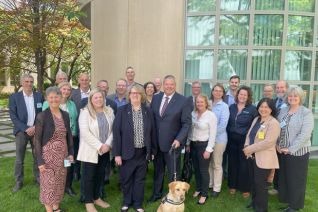
On 18 October the Decade of Biosecurity (DoB) project partners came together to launch the Parliamentary Friends of Biosecurity group at Parliament House in Canberra. The group will elevate biosecurity issues and highlight the importance of a strong well-resourced biosecurity system.

We celebrated a huge win for nature last month, with aerial culling of feral horses finally allowed in Kosciuszko National Park. But how did the ban come about and what’s next for the Reclaim Kosci campaign?

The flowers of a rubber vine are annoyingly pretty. But its vanity is also the secret to its downfall along the Fitzroy River in Western Australia.

Australia needs an ongoing, sustainable source of funding to improve our biosecurity system so it can protect our environment.

We visited Kosciuszko National Park with Penny Sharpe, NSW’s new environment minister, where we face rising feral horse numbers.

This year, we’ve been at the heart of one of the biggest issues for nature. By giving nature a voice, we’re making a difference together.

While COVID has been spreading around the world, highly pathogenic avian influenza (HPAI) has also been spreading.

One of the most promising new tools in development that is helping to protect native wildlife outside predator-free havens is the Felixer.

How do we go about tackling the challenge of invasive species?

If you are out and about over summer try observing and identifying insects. It’s fun and you could even end up discovering a dangerous new pest insect!

At least 33 Australian mammal species are extinct – the worst mammal extinction record in the world – 24 mainly because of feral cats and foxes.

In 2013 Australia’s governments decided they would not attempt to eradicate recently-established smooth newts from Melbourne’s south-eastern waterways.
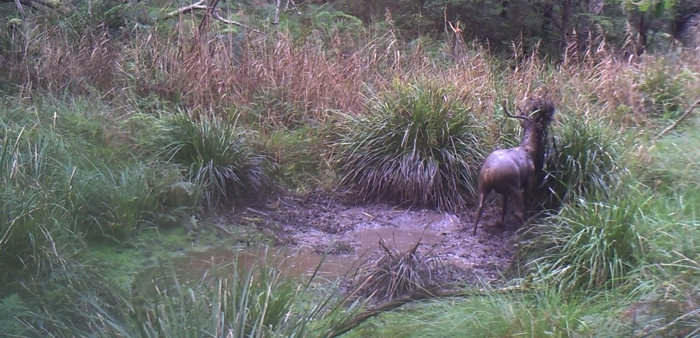
Thanks to the help of our supporters the Invasive Species Council has enjoyed a strong track record of triggering political action on feral deer.

One of the world’s worst invasive species, the yellow crazy ant, is a growing problem in and around Townsville.

A new biodecurity strategy can be the centrepiece for actions that define 2021-2030 as the Decade of Biosecurity.
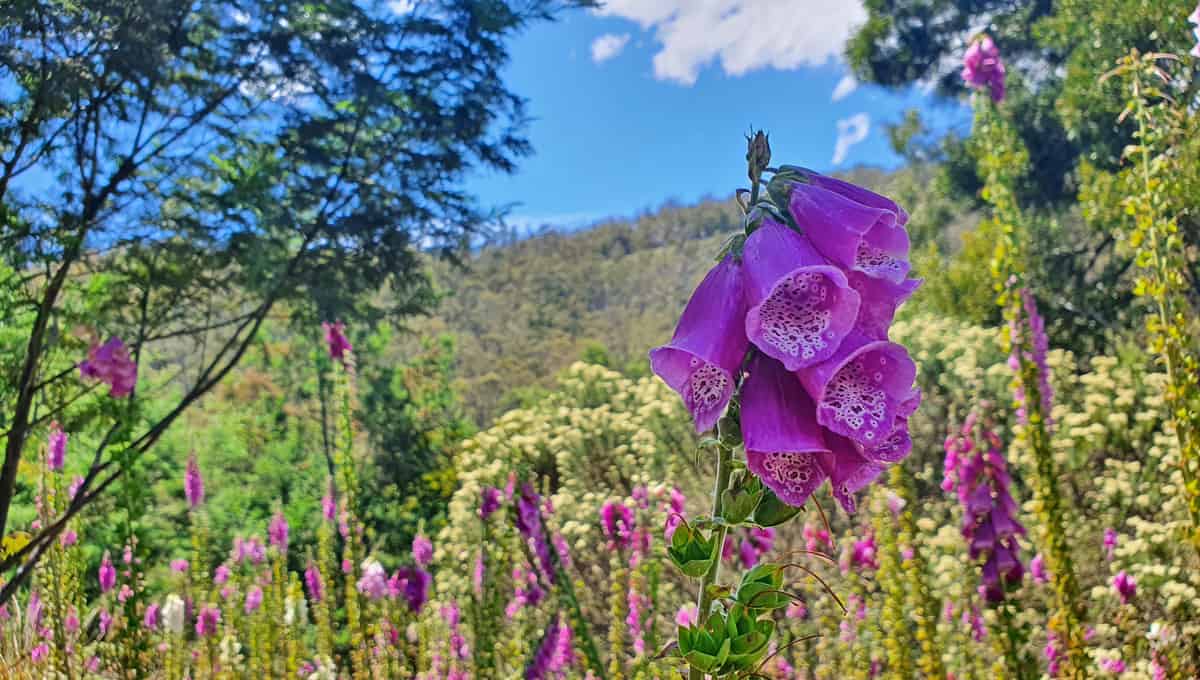
Jim Godfrey is on a mission to have foxglove listed a declared weed in Tasmania.

A damning report reveals Victoria’s ecosystems will head into terminal decline without clear and decisive action.

We’re excited to announce Dr Norman Swan as a keynote speaker for the 2nd Australian Biosecurity Symposium.

It’s time to raise your voice to protect Tasmania’s remarkable landscape of unique and outstanding natural and cultural values along with highly valued agriculture from

Lord Howe Island is a treasure trove of native species, but behind the postcard idyll is a battle to protect it from invasive rodents.
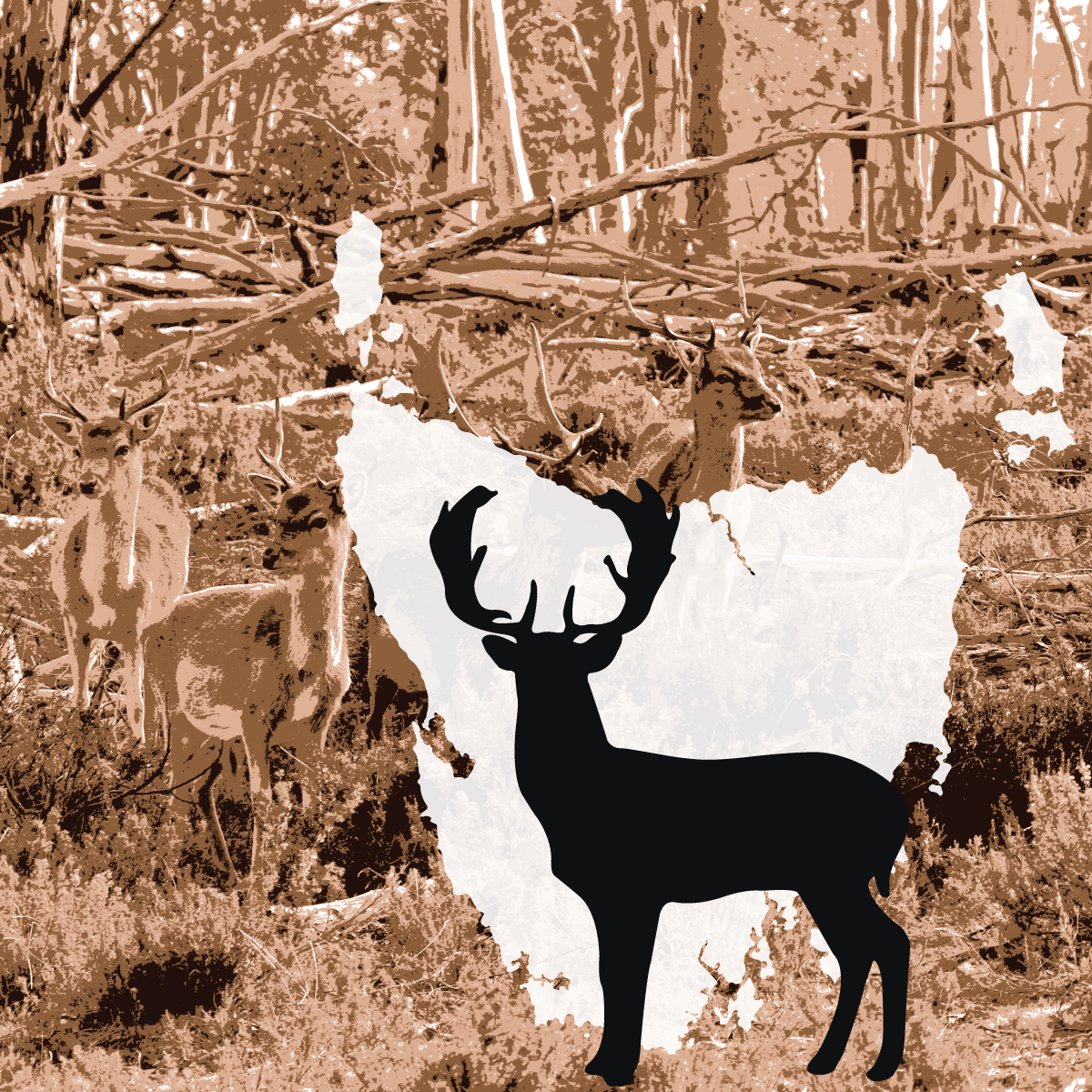
A review of Tasmania’s wildlife regulations is the perfect time to end the protected ‘wildlife’ status of feral deer.
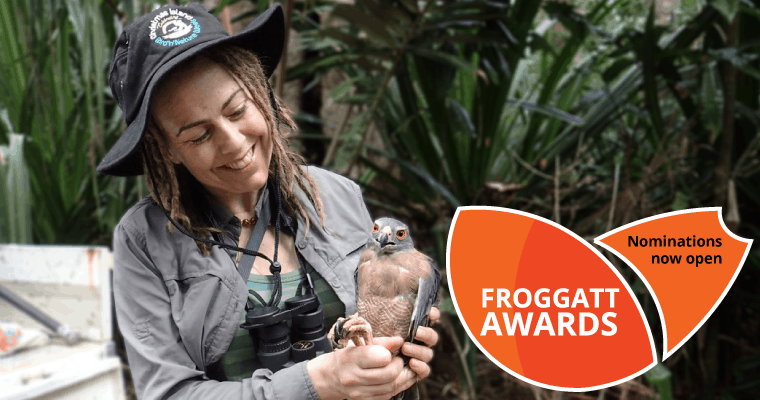
Time to put your thinking cap on and put forward nominations for this year’s Froggatt Awards.

Tim Low exposes a global trade in ‘pet ants’ that could unleash waves of environmentally destructive new ant invasions.

Dr Annelise Wiebkin is ready to tackle one of Australia’s worse emerging pest animal problems – feral deer.

Parks Victoria has a chance to rid the state’s Alpine National Park of feral horses in the next decade. Can it do it?
Bushwalkers, rural property owners and campers called on to help map spread of feral deer across Tasmania.

Pet cats can bring love into your world, but if not cared for properly they can also bring unwanted visitors such as diseases.
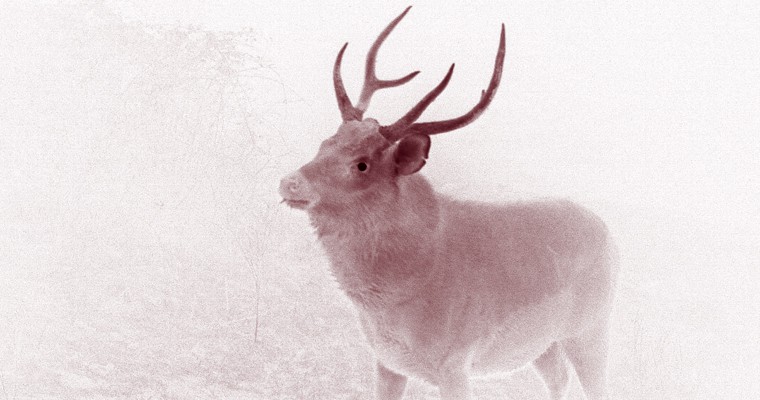
Removing deer and other feral animals from some of the state’s most popular national parks is a critical step in helping nature recover from the 2019-20 bushfires.
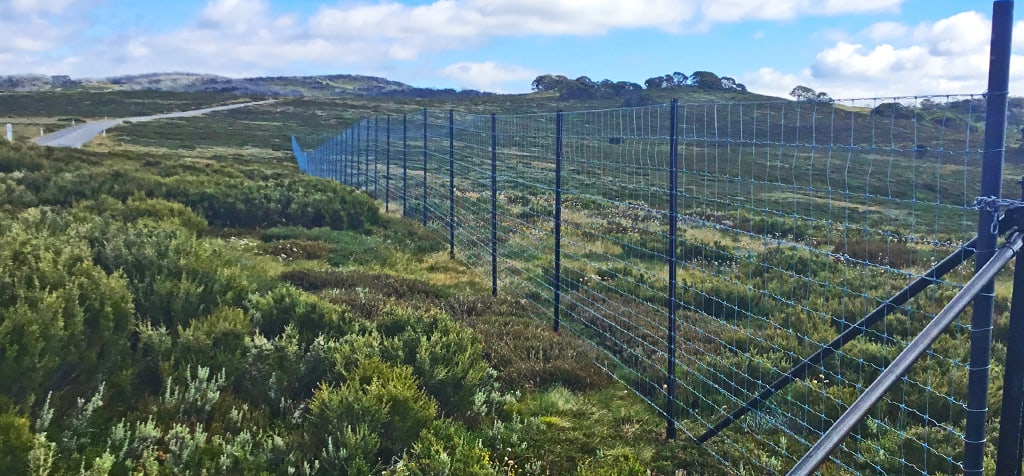
The cost of important alpine research in Victoria’s Bogong High Plains is being pushed up by the encroachment of sambar deer and feral horses.

The successful eradication of all pest animals on Macquarie Island has paved the way for an incredible explosion in bird populations.
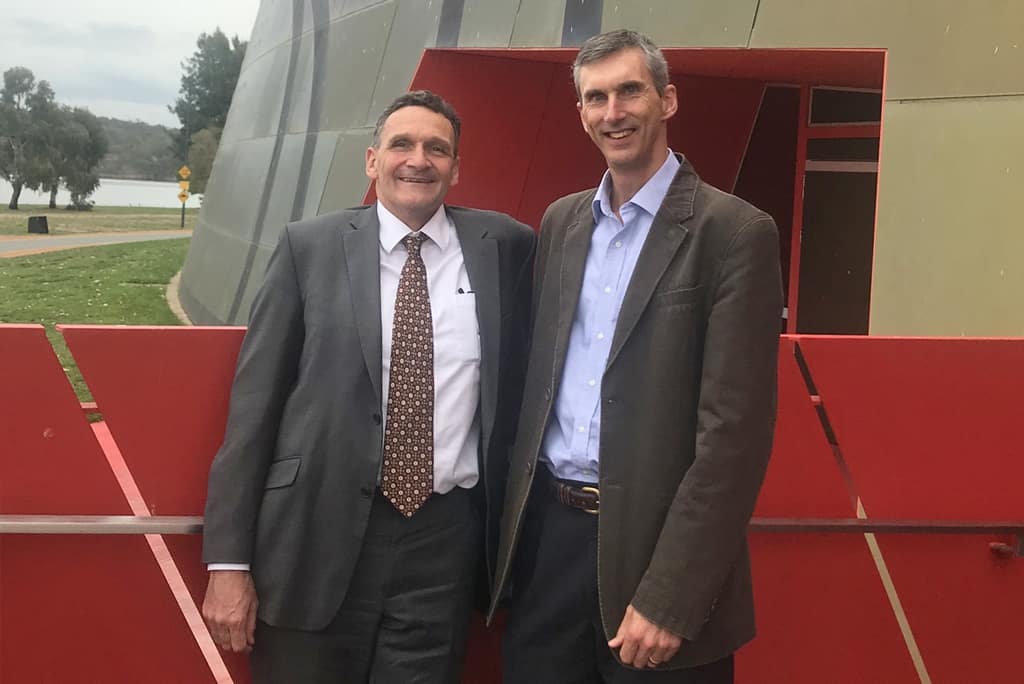
We pay tribute to Ian Thompson, Australia’s first Chief Environmental Biosecurity Officer.

A count of horse numbers in Kosciuszko National Park after the 2020-21 bushfires confirms the urgent need to reduce numbers to protect the park.
Get our blog the Feral Herald delivered to your inbox.
Our protected areas are being trashed, trampled, choked and polluted by an onslaught of invaders. Invasive species are already the overwhelming driver of our animal extinction rate, and are expected to cause 75 of the next 100 extinctions.
But you can help to turn this around and create a wildlife revival in Australia.
From numbats to night parrots, a tax-deductible donation today can help defend our wildlife against the threat of invasive weeds, predators, and diseases.
As the only national advocacy environment group dedicated to stopping this mega threat, your gift will make a big difference.
A silent crisis is unfolding across Australia. Every year, billions of native animals are hunted and killed by cats and foxes. Fire ants continue to spread and threaten human health. And the deadly strain of bird flu looms on the horizon. Your donation today will be used to put the invasive species threat in the media, make invasive species a government priority, ensure governments take rapid action to protect nature and our remarkable native wildlife from invasives-led extinction, death and destruction.
If you are having trouble submitting a form, please read this guide.
Please fill out the following form and one of our team will be in contact to assist as soon as possible. Please make sure to include any helpful information, such as the device you were using (computer, tablet or mobile phone) and if known, your browser (Mozilla Firefox, Chrome, Safari etc)
"*" indicates required fields
Dear Project Team,
[YOUR PERSONALISED MESSAGE WILL APPEAR HERE.]
I support the amendment to the Kosciuszko National Park Wild Horse Heritage Management Plan to allow our incredible National Parks staff to use aerial shooting as one method to rapidly reduce feral horse numbers. I want to see feral horse numbers urgently reduced in order to save the national park and our native wildlife that live there.
The current approach is not solving the problem. Feral horse numbers have rapidly increased in Kosciuszko National Park to around 18,000, a 30% jump in just the past 2 years. With the population so high, thousands of feral horses need to be removed annually to reduce numbers and stop our National Park becoming a horse paddock. Aerial shooting, undertaken humanely and safely by professionals using standard protocols, is the only way this can happen.
The government’s own management plan for feral horses states that ‘if undertaken in accordance with best practice, aerial shooting can have the lowest negative animal welfare impacts of all lethal control methods’.
This humane and effective practice is already used across Australia to manage hundreds of thousands of feral animals like horses, deer, pigs, and goats.
Trapping and rehoming of feral horses has been used in Kosciuszko National Park for well over a decade but has consistently failed to reduce the population, has delayed meaningful action and is expensive. There are too many feral horses in the Alps and not enough demand for rehoming for it to be relied upon for the reduction of the population.
Fertility control as a management tool is only effective for a small, geographically isolated, and accessible population of feral horses where the management outcome sought is to maintain the population at its current size. It is not a viable option to reduce the large and growing feral horse population in the vast and rugged terrain of Kosciuszko National Park.
Feral horses are trashing and trampling our sensitive alpine ecosystems and streams, causing the decline and extinction of native animals. The federal government’s Threatened Species Scientific Committee has stated that feral horses ‘may be the crucial factor that causes final extinction’ for 12 alpine species.
I recognise the sad reality that urgent and humane measures are necessary to urgently remove the horses or they will destroy the Snowies and the native wildlife that call the mountains home. I support a healthy national park where native species like the Corroboree Frog and Mountain Pygmy Possum can thrive.
Dear Project Team,
[YOUR PERSONALISED MESSAGE WILL APPEAR HERE.]
I support the amendment to the Kosciuszko National Park Wild Horse Heritage Management Plan to allow our incredible National Parks staff to use aerial shooting as one method to rapidly reduce feral horse numbers. I want to see feral horse numbers urgently reduced in order to save the national park and our native wildlife that live there.
The current approach is not solving the problem. Feral horse numbers have rapidly increased in Kosciuszko National Park to around 18,000, a 30% jump in just the past 2 years. With the population so high, thousands of feral horses need to be removed annually to reduce numbers and stop our National Park becoming a horse paddock. Aerial shooting, undertaken humanely and safely by professionals using standard protocols, is the only way this can happen.
The government’s own management plan for feral horses states that ‘if undertaken in accordance with best practice, aerial shooting can have the lowest negative animal welfare impacts of all lethal control methods’.
This humane and effective practice is already used across Australia to manage hundreds of thousands of feral animals like horses, deer, pigs, and goats.
Trapping and rehoming of feral horses has been used in Kosciuszko National Park for well over a decade but has consistently failed to reduce the population, has delayed meaningful action and is expensive. There are too many feral horses in the Alps and not enough demand for rehoming for it to be relied upon for the reduction of the population.
Fertility control as a management tool is only effective for a small, geographically isolated, and accessible population of feral horses where the management outcome sought is to maintain the population at its current size. It is not a viable option to reduce the large and growing feral horse population in the vast and rugged terrain of Kosciuszko National Park.
Feral horses are trashing and trampling our sensitive alpine ecosystems and streams, causing the decline and extinction of native animals. The federal government’s Threatened Species Scientific Committee has stated that feral horses ‘may be the crucial factor that causes final extinction’ for 12 alpine species.
I recognise the sad reality that urgent and humane measures are necessary to urgently remove the horses or they will destroy the Snowies and the native wildlife that call the mountains home. I support a healthy national park where native species like the Corroboree Frog and Mountain Pygmy Possum can thrive.