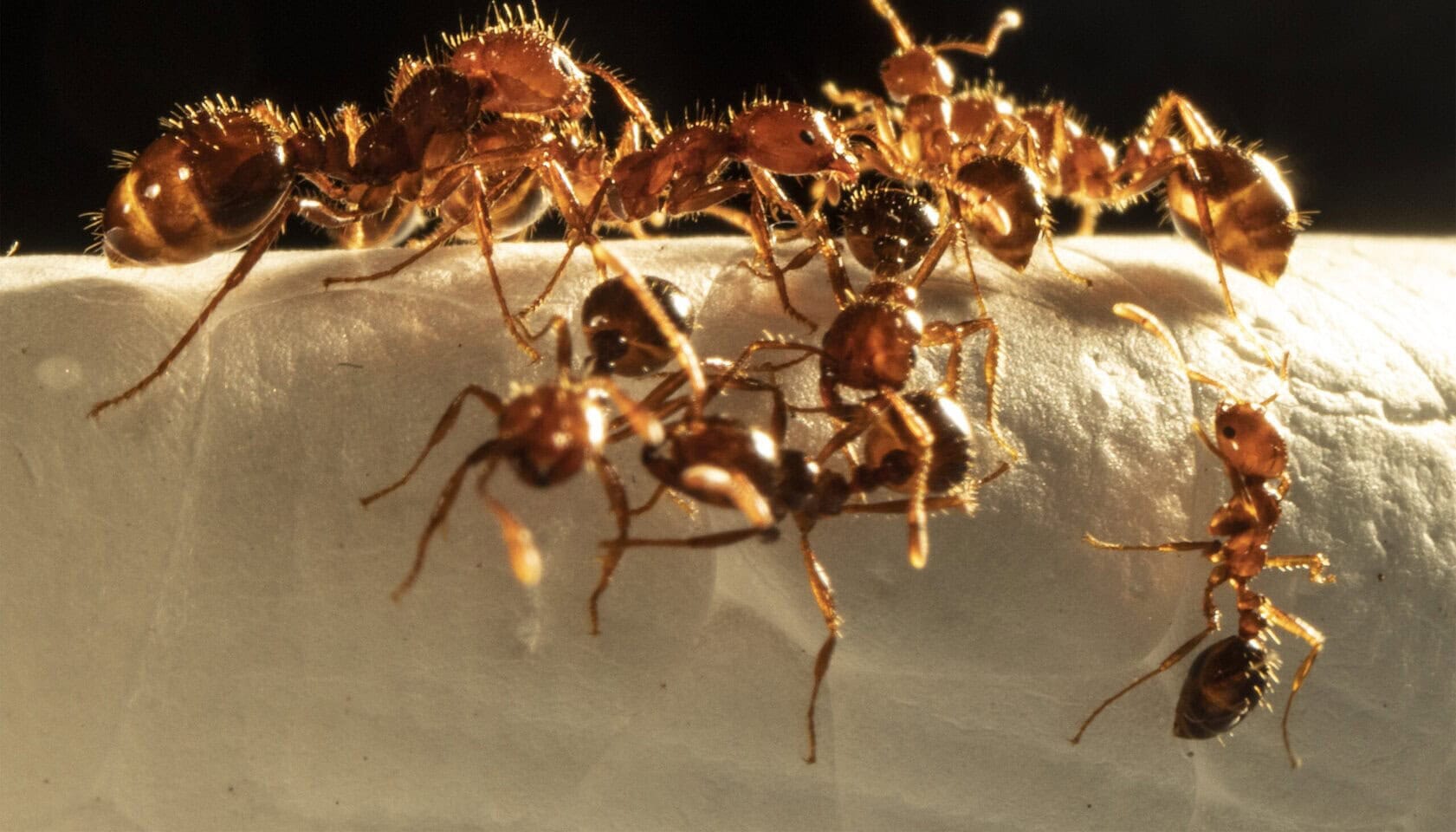
Fire ant detection at Forest Glen Sunshine Coast proof we cannot lose momentum
The detection of a fire ant nest at Forest Glen on the Sunshine Coast is further proof Australia cannot afford to lose momentum on eradication,

The detection of a fire ant nest at Forest Glen on the Sunshine Coast is further proof Australia cannot afford to lose momentum on eradication,
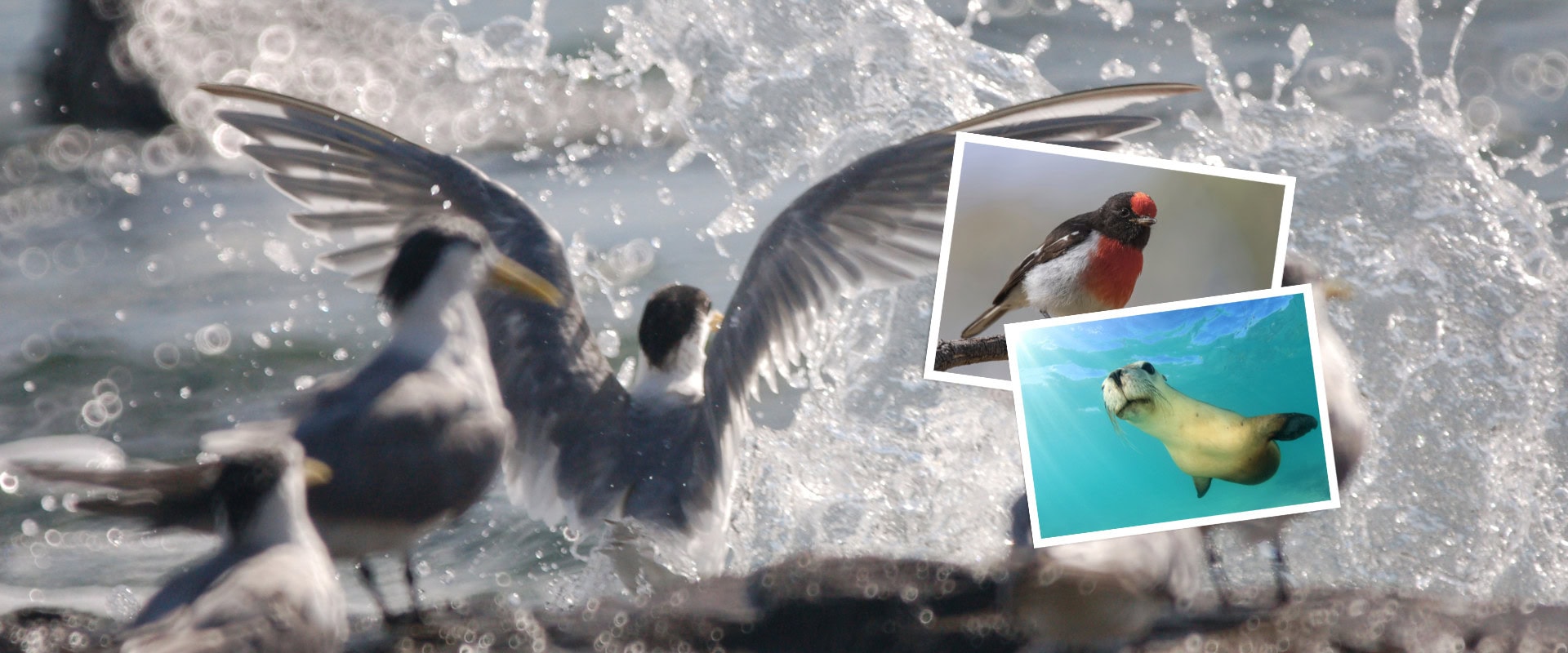
The Australian Government invests in building community resilience to natural disasters and supporting recovery. What should we expect of our governments when it’s native wildlife facing catastrophe?
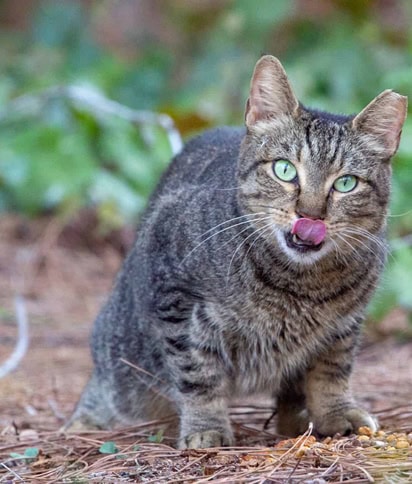
New DNA analysis has revealed feral cats are eating significantly more native mammals than traditional methods have detected. The Invasive Species Council says the findings reinforce the urgent need for governments to accelerate feral cat control across Australia.
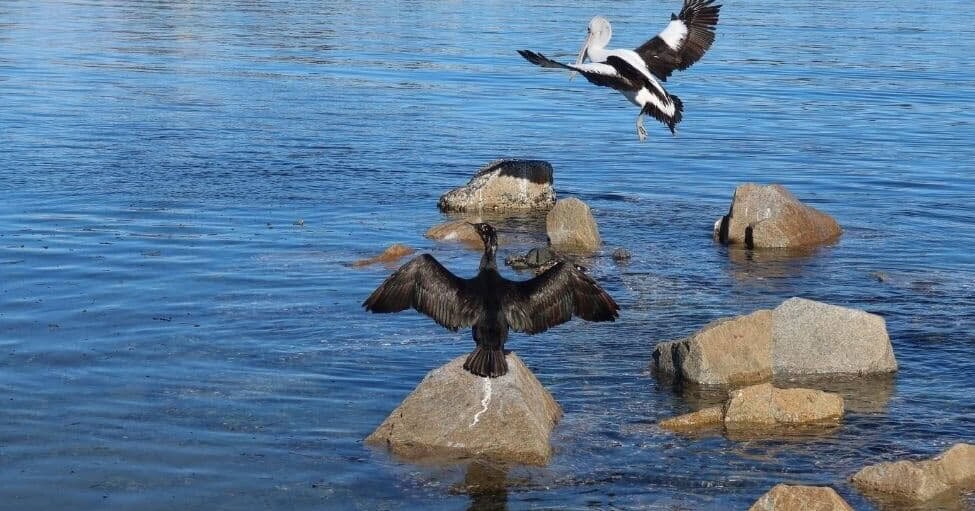
Following the release of government risk ratings revealing the potential devastation facing Australian wildlife from H5 bird flu, the Invasive Species Council is calling on the Albanese Government to immediately commit $200 million to boost the capacity of species to survive and recover from disease outbreaks.
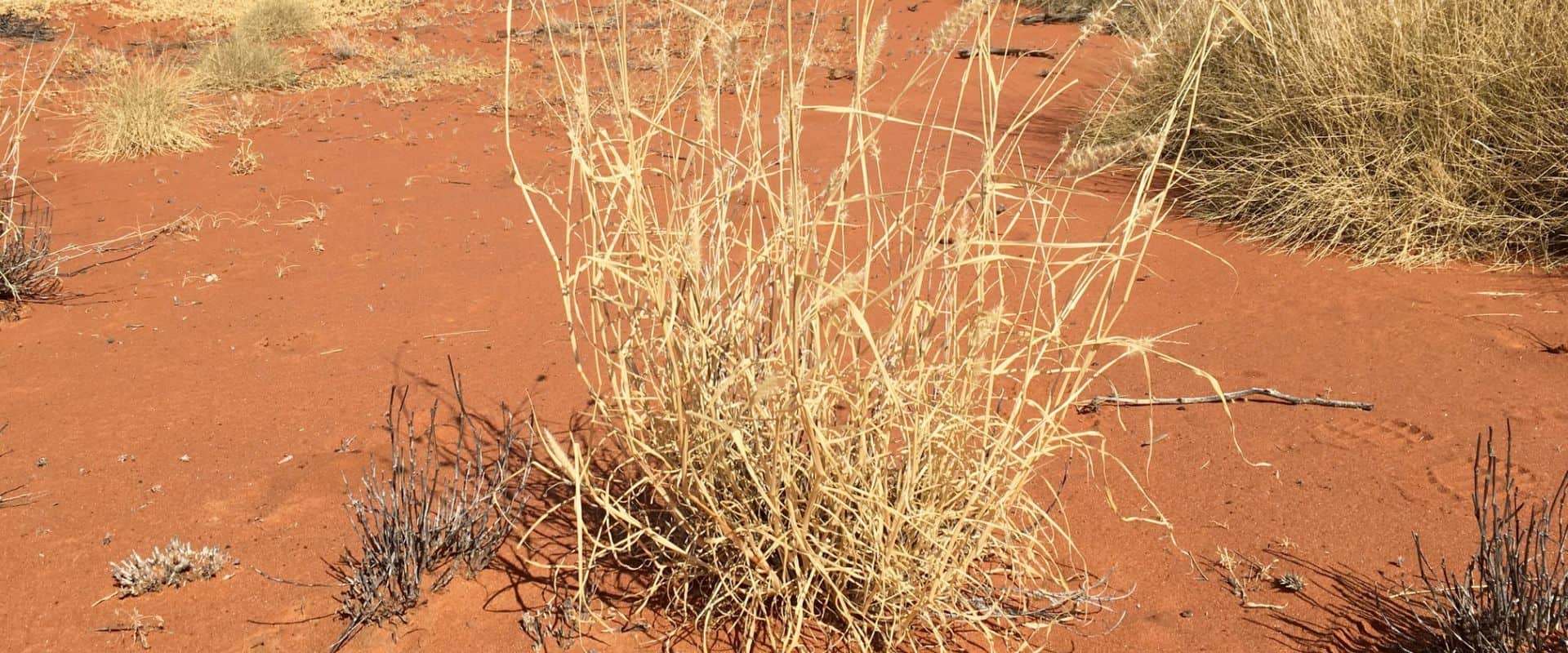
The Invasive Species Council says recent decision by the National Biosecurity Committee to undertake further work before deciding whether buffel grass should be listed as a Weed of National Significance must be used as an opportunity to develop the strongest possible national response to one of Australia’s most damaging invasive species.
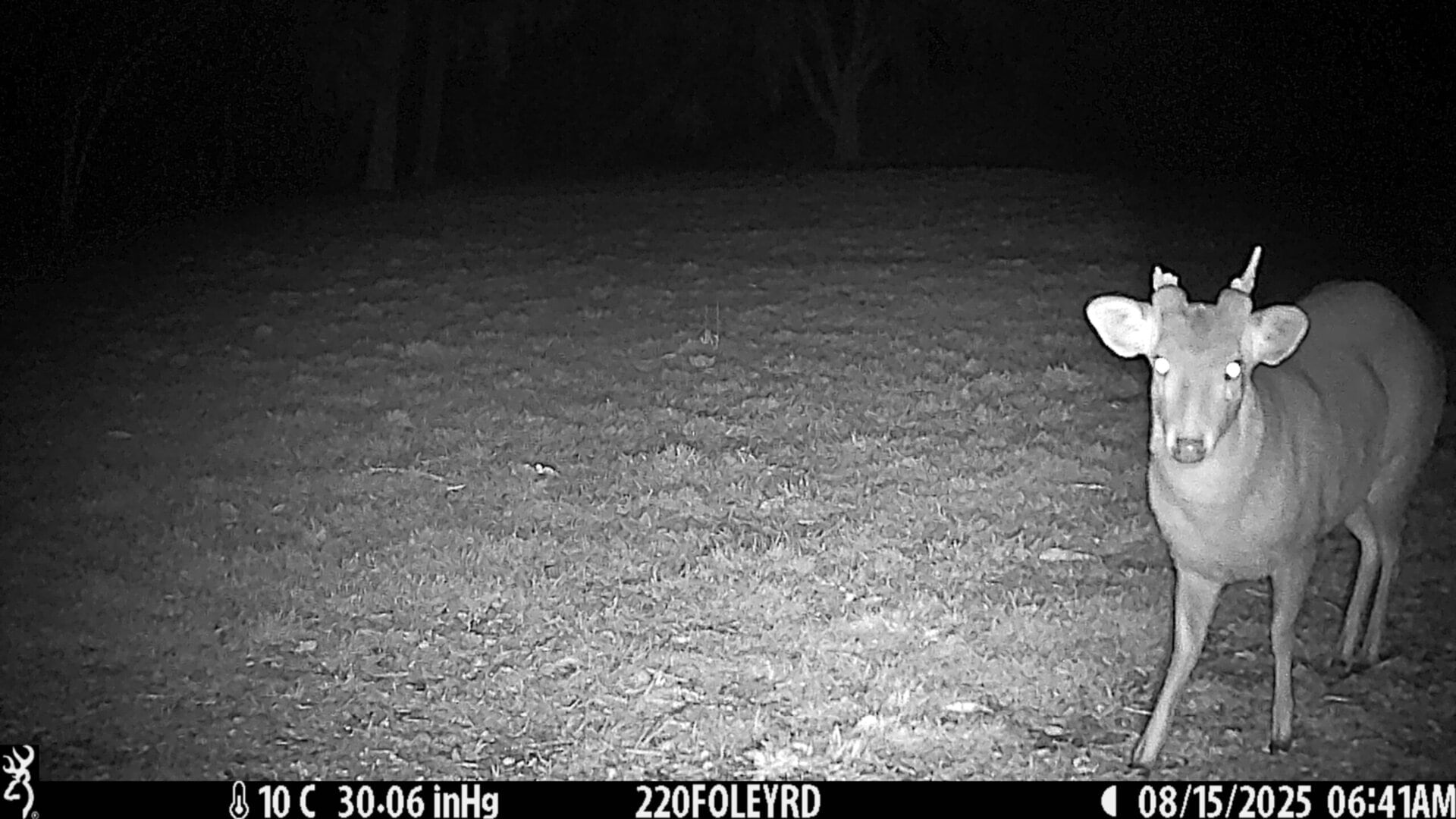
The Invasive Species Council has congratulated Jaclyn Symes on her appointment as Victoria’s Minister for the Environment, saying it presents an important opportunity to reset the state’s response to invasive species and better protect Victoria’s environment, agriculture and regional communities.
The Invasive Species Council says the Australian Government’s decision to transition to the National Management Agreement for H5 bird flu in wildlife marks a significant shift in Australia’s response and confirms H5 bird flu is no longer being treated as a disease that can be eradicated from wildlife.
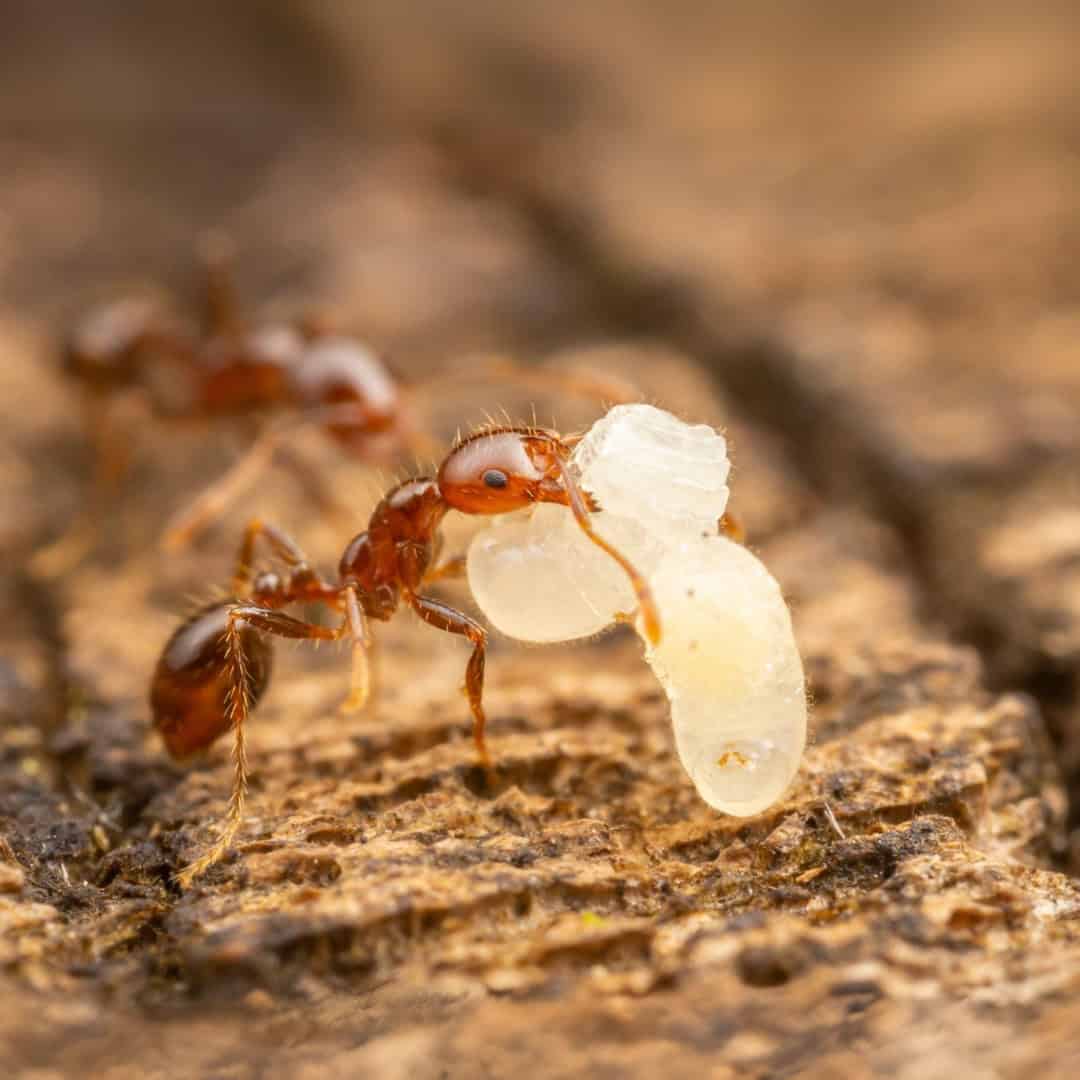
Experts warned governments the national fire ant eradication program needed at least $200 million a year to stay ahead of the invasion. In 2023 governments chose to spend just $60 million instead.
An alliance of leading environment and farming groups has welcomed the appointment of Ben Carroll as Victoria’s Premier, saying it’s an exciting opportunity to reset Victoria’s approach to invasive species management through a coordinated, well-funded strategy that matches the scale of the problem.
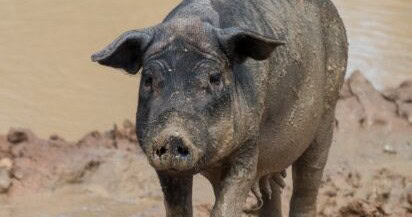
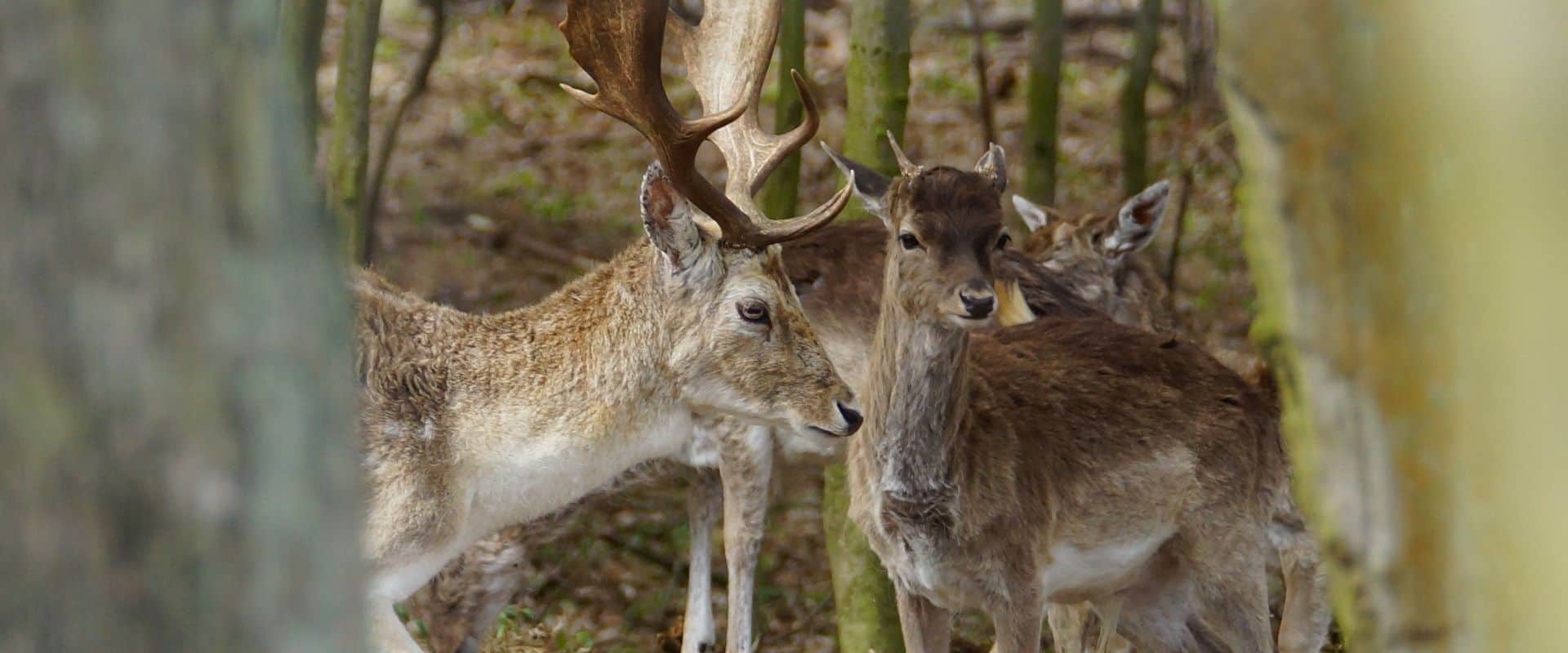
For years, farmers and feral animal experts have been asking the same thing: why spend time and money controlling feral deer or pigs if the property next door does nothing? They’re right.
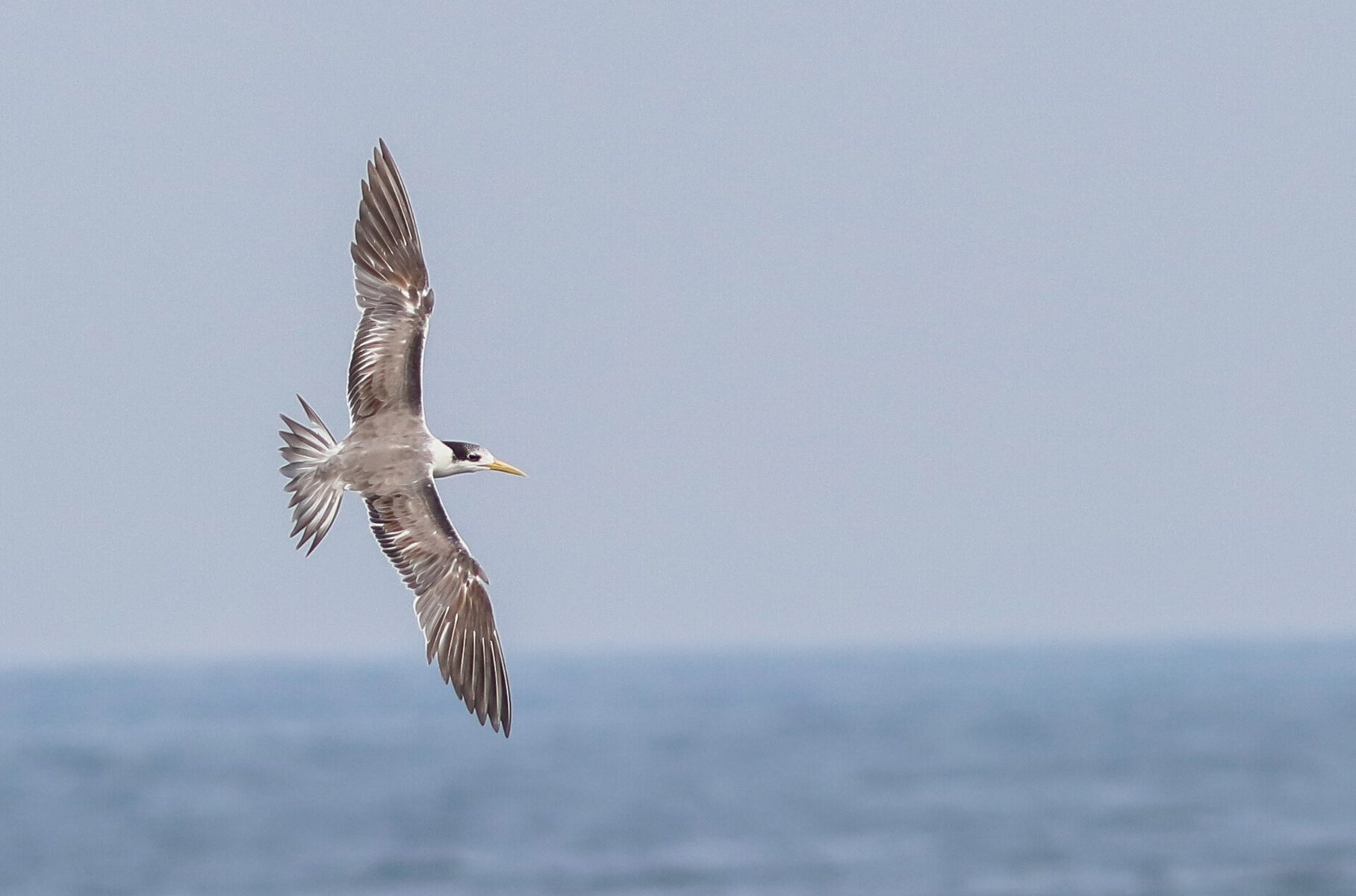
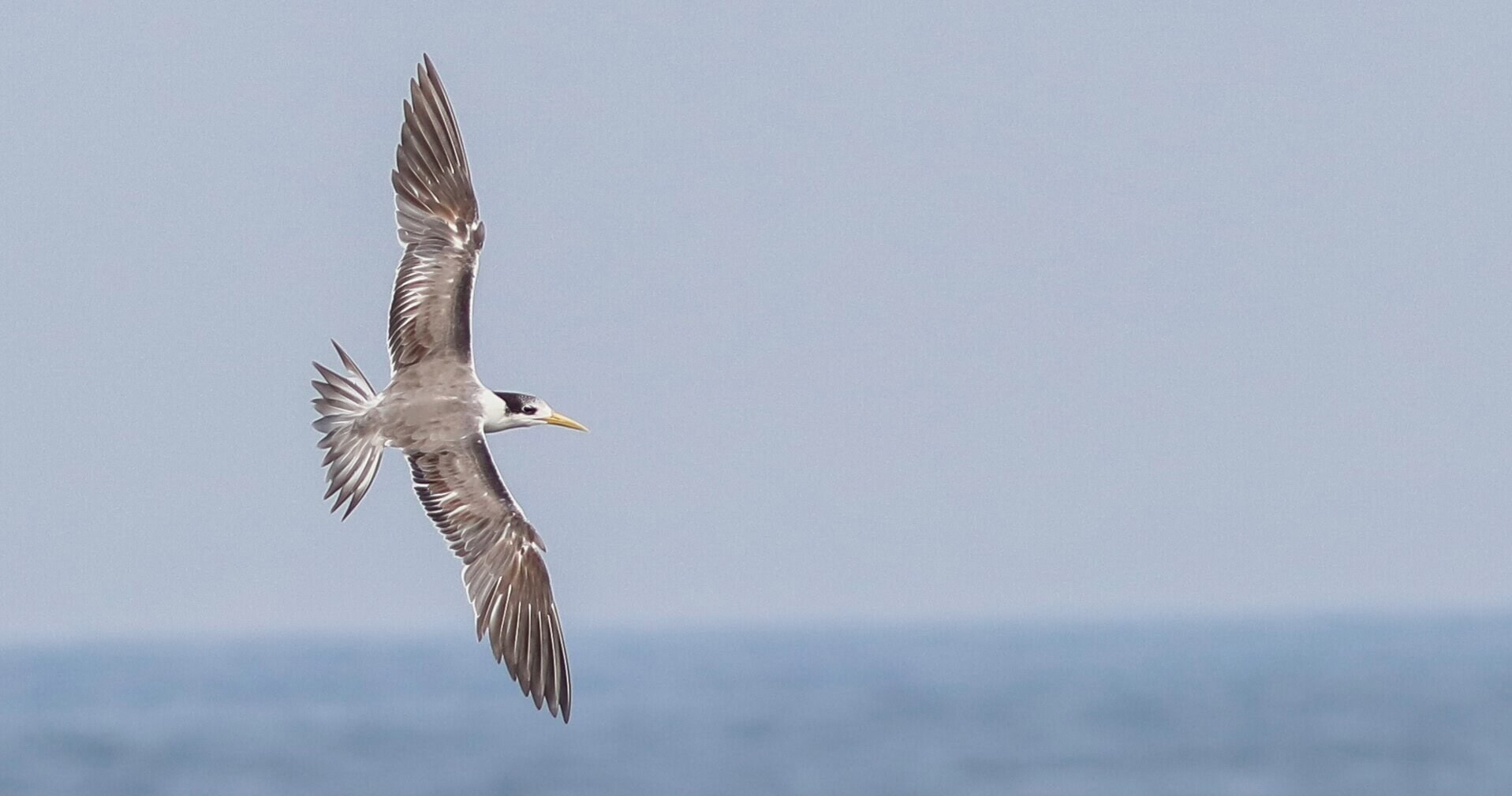
The Invasive Species Council says the suspected detection of H5N1 bird flu in a greater-crested tern at Seal Bay on Kangaroo Island could mean the disease is on the doorstep of one of Australia’s most important sea lion colonies, warning urgent investment is needed in wildlife resilience before more threatened species are put at risk.
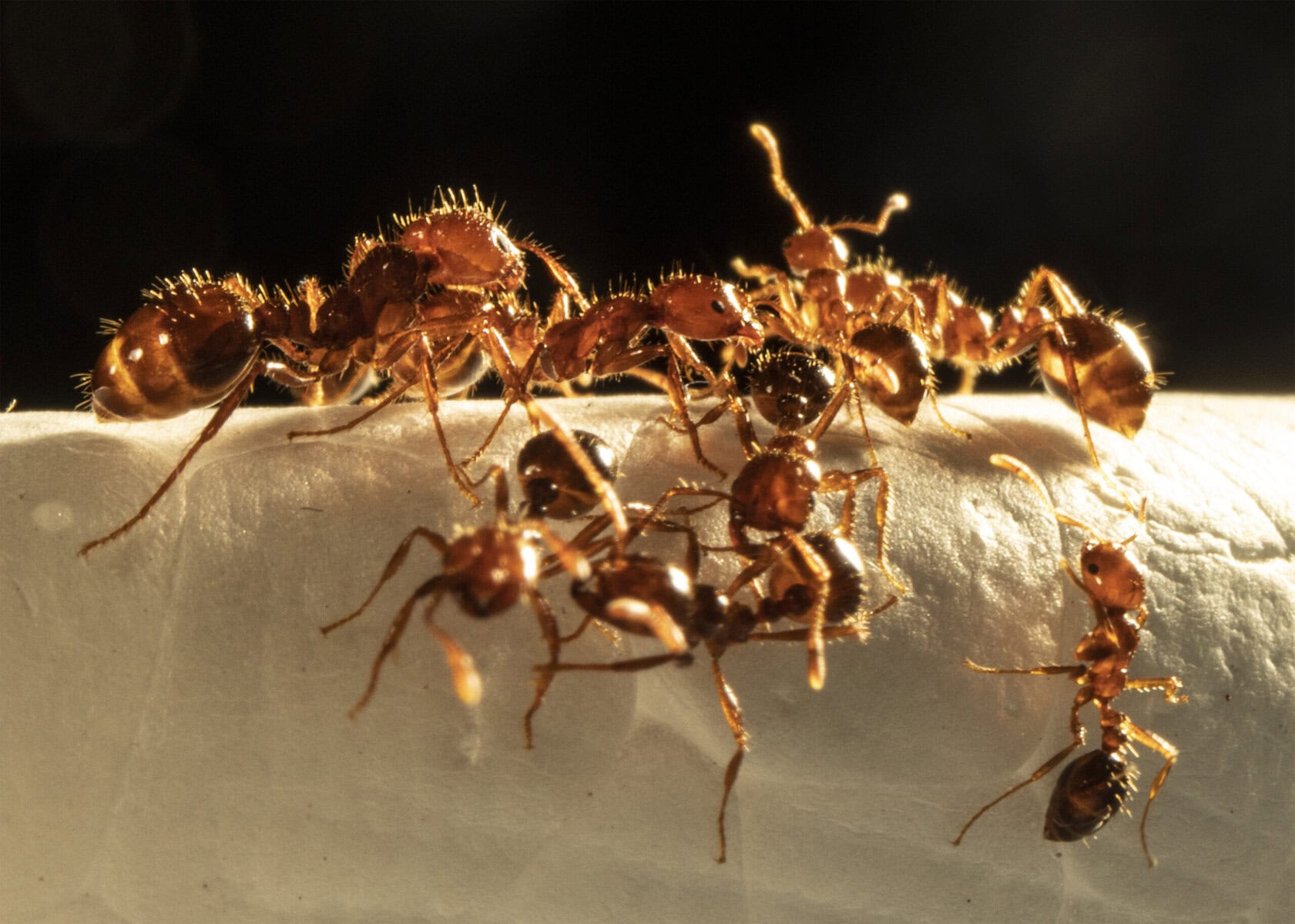
The Invasive Species Council has welcomed today’s announcement that, for the first time, Australia’s national fire ant eradication program is moving inward to target the core infestation area after years of successfully suppressing fire ant populations on the invasion’s outer edges.
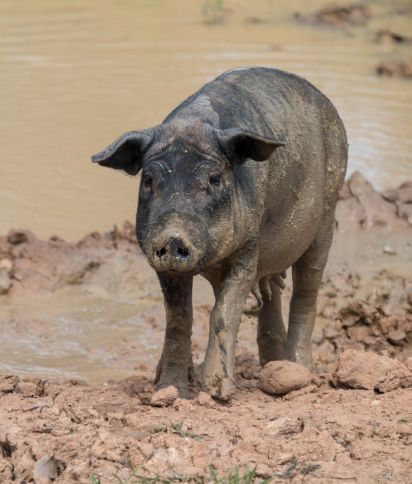
The Invasive Species Council has welcomed the NSW government’s decision to issue a General Biosecurity Direction for pig control, requiring public and private landholders in the Walgett region to participate in a coordinated feral pig eradication program, with landholders who fail to comply facing fines of up to $220,000 for individuals and $440,000 for corporations.
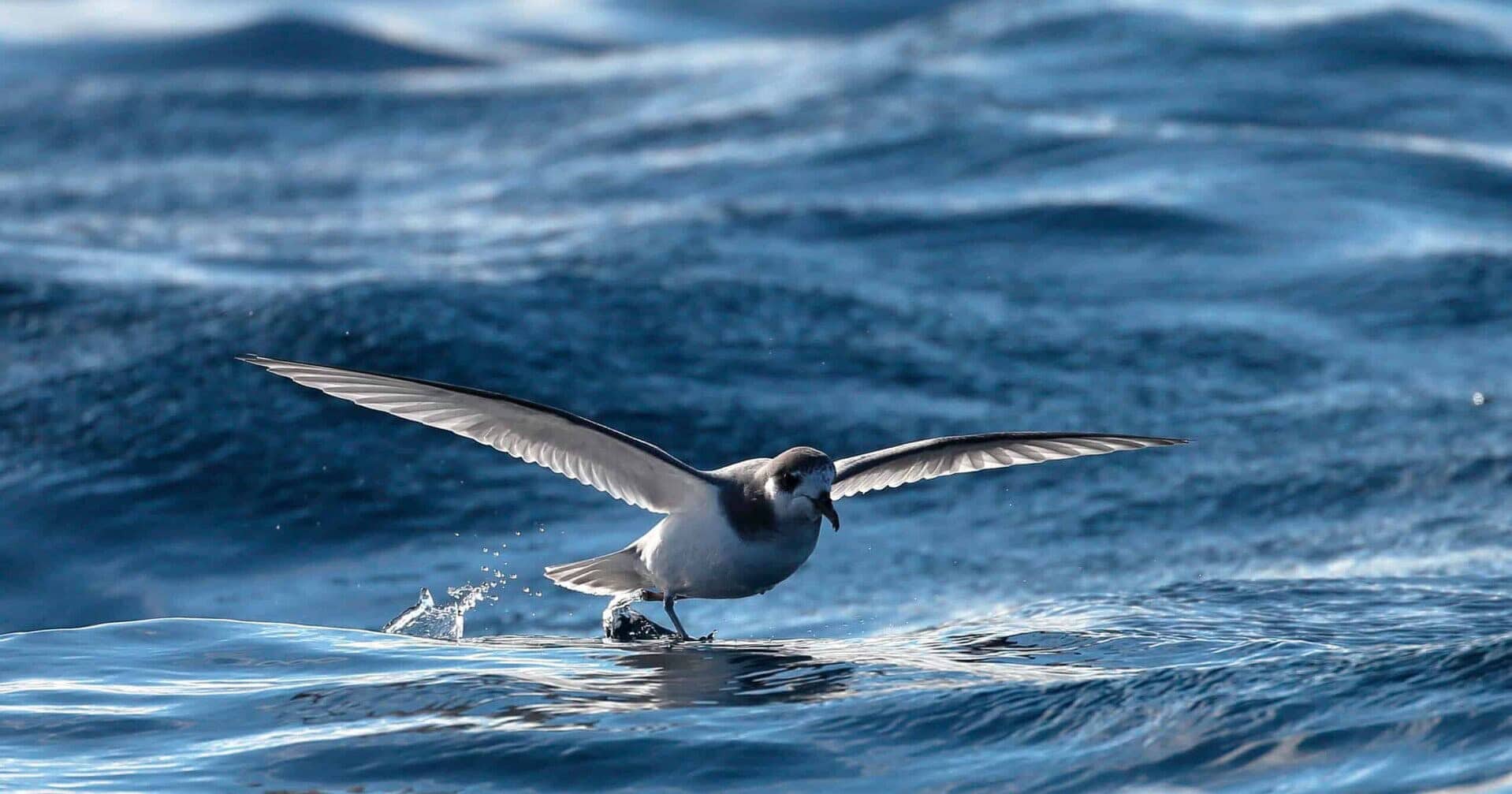
The Invasive Species Council says the suspected detection of 7 new cases of highly pathogenic H5N1 bird flu in greater crested terns at the same site in South Australia may mark a significant turning point in Australia’s outbreak, raising concerns the virus is now spreading within local wild bird populations.

The construction crews are working overtime at Mulligans Flat Woodland Sanctuary in the Australian Capital Territory. Armed with federal emergency funding, workers are assembling 16 specialised isolation pens.
The detection of a fire ant nest at Forest Glen on the Sunshine Coast is further proof Australia cannot afford to lose momentum on eradication,
The Australian Government invests in building community resilience to natural disasters and supporting recovery. What should we expect of our governments when it’s native wildlife facing catastrophe?
New DNA analysis has revealed feral cats are eating significantly more native mammals than traditional methods have detected. The Invasive Species Council says the findings reinforce the urgent need for governments to accelerate feral cat control across Australia.
Following the release of government risk ratings revealing the potential devastation facing Australian wildlife from H5 bird flu, the Invasive Species Council is calling on the Albanese Government to immediately commit $200 million to boost the capacity of species to survive and recover from disease outbreaks.
The Invasive Species Council says recent decision by the National Biosecurity Committee to undertake further work before deciding whether buffel grass should be listed as a Weed of National Significance must be used as an opportunity to develop the strongest possible national response to one of Australia’s most damaging invasive species.
The Invasive Species Council has congratulated Jaclyn Symes on her appointment as Victoria’s Minister for the Environment, saying it presents an important opportunity to reset the state’s response to invasive species and better protect Victoria’s environment, agriculture and regional communities.
The Invasive Species Council says the Australian Government’s decision to transition to the National Management Agreement for H5 bird flu in wildlife marks a significant shift in Australia’s response and confirms H5 bird flu is no longer being treated as a disease that can be eradicated from wildlife.
Experts warned governments the national fire ant eradication program needed at least $200 million a year to stay ahead of the invasion. In 2023 governments chose to spend just $60 million instead.
An alliance of leading environment and farming groups has welcomed the appointment of Ben Carroll as Victoria’s Premier, saying it’s an exciting opportunity to reset Victoria’s approach to invasive species management through a coordinated, well-funded strategy that matches the scale of the problem.
For years, farmers and feral animal experts have been asking the same thing: why spend time and money controlling feral deer or pigs if the property next door does nothing? They’re right.
The Invasive Species Council says the suspected detection of H5N1 bird flu in a greater-crested tern at Seal Bay on Kangaroo Island could mean the disease is on the doorstep of one of Australia’s most important sea lion colonies, warning urgent investment is needed in wildlife resilience before more threatened species are put at risk.
The Invasive Species Council has welcomed today’s announcement that, for the first time, Australia’s national fire ant eradication program is moving inward to target the core infestation area after years of successfully suppressing fire ant populations on the invasion’s outer edges.
The Invasive Species Council has welcomed the NSW government’s decision to issue a General Biosecurity Direction for pig control, requiring public and private landholders in the Walgett region to participate in a coordinated feral pig eradication program, with landholders who fail to comply facing fines of up to $220,000 for individuals and $440,000 for corporations.
The Invasive Species Council says the suspected detection of 7 new cases of highly pathogenic H5N1 bird flu in greater crested terns at the same site in South Australia may mark a significant turning point in Australia’s outbreak, raising concerns the virus is now spreading within local wild bird populations.
The construction crews are working overtime at Mulligans Flat Woodland Sanctuary in the Australian Capital Territory. Armed with federal emergency funding, workers are assembling 16 specialised isolation pens.