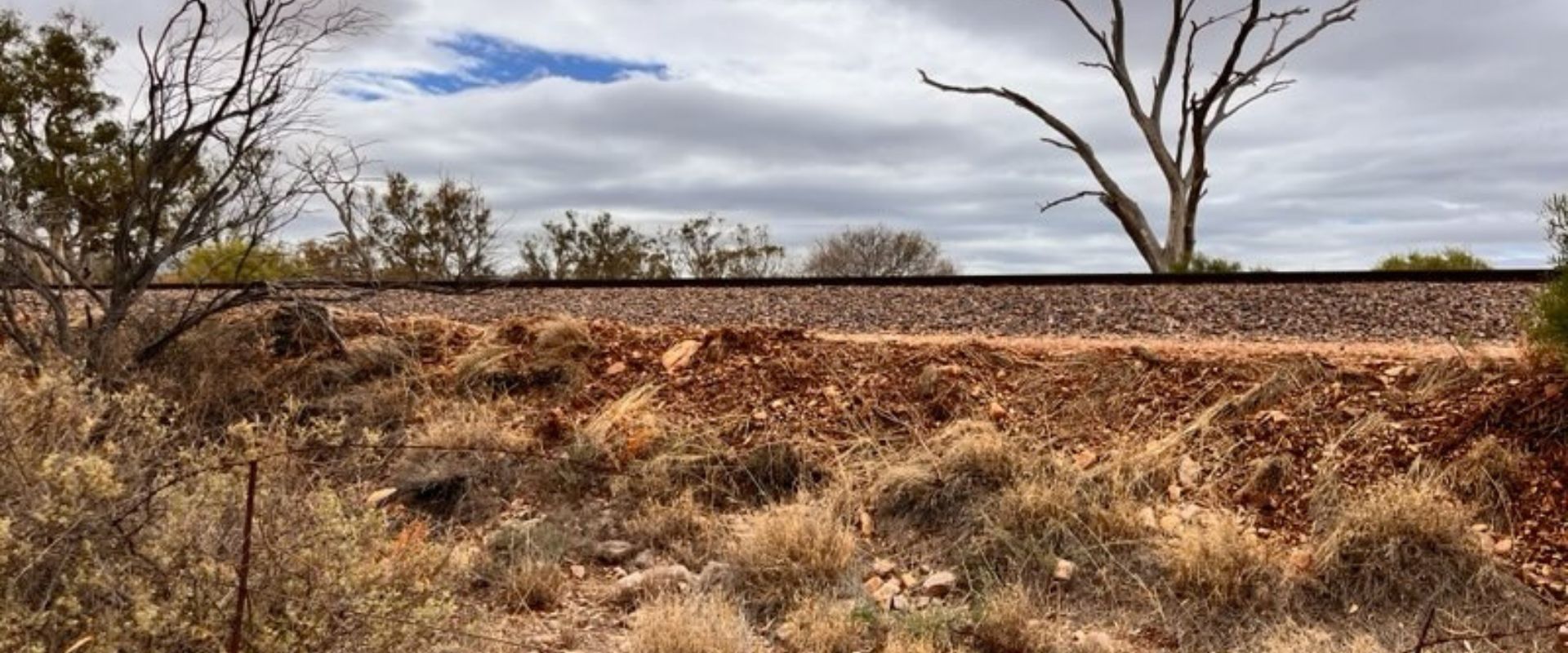
The Invasive Species Council says recent decision by the National Biosecurity Committee to undertake further work before deciding whether buffel grass should be listed as a Weed of National Significance must be used as an opportunity to develop the strongest possible national response to one of Australia’s most damaging invasive species.
The Committee’s own assessment found buffel grass is causing nationally significant environmental and cultural harm, that practical actions exist to reduce these impacts where they occur, and that stronger national coordination would improve management while reducing duplication across governments, conservation organisations, First Nations communities and other land managers.
Invasive Species Council Voice of Country Lead Taigen Ryan said the evidence supporting stronger national coordination remained unequivocal.
‘The Committee hasn’t questioned the science. Its own assessment confirms buffel grass is causing nationally significant environmental and cultural harm and that stronger national coordination is needed.
‘If governments are going to take more time, they now need to use it wisely to build the best possible national response – not to revisit evidence that’s already clear.
‘Buffel grass is one of Australia’s most complex invasive species issues. Though valued as cattle feed it is also feeding hotter, more ferocious fires, transforming ecosystems, threatening native wildlife and damaging places of profound cultural significance across much of inland Australia.
‘That complexity is precisely why Australia needs a coordinated national approach. It shouldn’t become a reason for inaction.
‘This has never been about removing buffel grass from productive grazing systems or imposing new regulations on pastoralists.
‘It’s about giving Australia the national coordination, investment and strategic management needed to reduce buffel grass impacts where they are greatest – on national parks, Indigenous Protected Areas, culturally significant places and other non-pastoral lands.
‘The Committee’s assessment reinforces what Traditional Owners, scientists and land managers have been saying for years: buffel grass is transforming ecosystems, intensifying fire and threatening biodiversity across huge areas of Australia.
‘Science, not politics, should guide what happens next. Governments now have an opportunity to get this right by developing a national approach that protects Country, gives certainty to stakeholders and tackles one of Australia’s most significant environmental threats before it spreads even further.’
Image: Richard Alcorn
Related Content