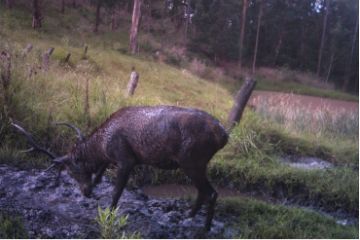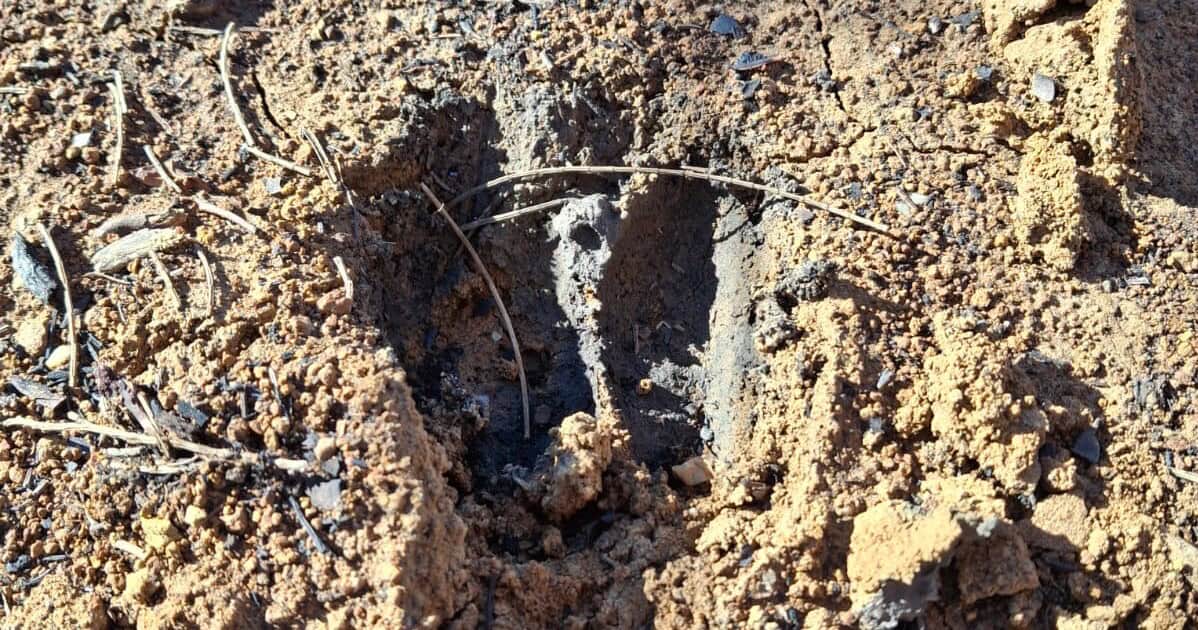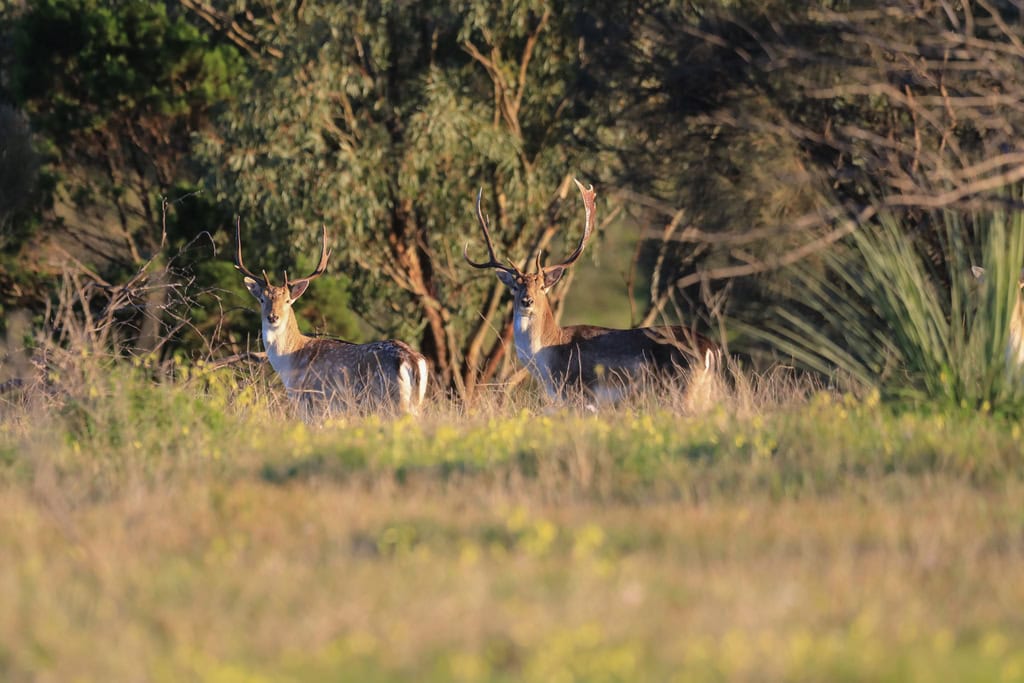
The Invasive Species Council has welcomed Tasmania’s new plan to tackle feral deer around towns and communities, but warned the funding and lack of firm eradication targets fall well short of what is needed to stop growing deer populations that are threatening motorists, damaging farms and spreading into the environment.
Tasmania’s feral deer population in just the Midlands and eastern regions alone has grown by more than a third in just five years, from an estimated 53,660 in 2019 to 71,655 in 2024. Without stronger action, new economic modelling commissioned by the Invasive Species Council warns deer numbers in those regions could reach more than 667,000 by 2054.
The Tasmanian government’s new 3-year peri-urban deer plan identifies priority areas for action, including Acton Park, the Tasman Peninsula and Bruny and King Islands, but provides no firm eradication targets or timelines. The $840,000 committed over the 3 years is spread across multiple locations.
‘This plan is an important shift with the government focusing effort where eradicating deer is still achievable, and backing the methods that work, but the funding and targets need to match that ambition,’ Invasive Species Council Conservation Officer, Dr Tiana Pirtle said.
‘Feral deer around our towns and communities aren’t just an environmental problem. They are a danger on our roads, and they can damage gardens and farms.
‘There is a lot to welcome here. The government has recognised that allowing deer numbers to build up around our towns, roads and communities creates serious problems for people, farmers and nature.
‘The plan backs early, intensive action by professional teams using every effective tool available, including thermal-assisted aerial shooting. That’s the approach the evidence tells us works, and it’s what eradication requires.
‘It also sends a strong message that harbouring feral deer in these areas is not acceptable and strengthens efforts to stop deer escaping from farms and establishing new populations.
‘But the big question is whether the government is prepared to fund this plan at the scale needed to actually deliver its goals.
‘The $840,000 committed in this year’s state budget, spread over 3 years and multiple locations, is simply not enough if the goal is to drive deer numbers down towards zero.
‘Our recent economic modelling found feral deer are already costing Tasmania an estimated $53 million every year. Without stronger action, that annual cost could climb to almost $300 million by 2054.
‘Tasmania still has an opportunity to eradicate deer from important conservation areas, farmlands, and suburbs around the state. However, the longer we wait, the more difficult and expensive eradication becomes.
‘A successful eradication plan needs firm targets and timelines so we can measure whether this plan is actually succeeding.
‘Places like Bruny Island and the Tasman Peninsula are incredibly important for Tasmania’s wildlife and should be treated as eradication opportunities, not places where we simply learn to live with feral deer.
‘Bruny Island is a stronghold for the endangered forty-spotted pardalote, a tiny bird found only in Tasmania that relies on white gum forests for survival. Deer browse and damage native vegetation, including young trees, adding another pressure that these special places simply don’t need.
‘We still have the opportunity to remove deer from these areas before they become entrenched. That is far better for nature, and far cheaper, than managing growing deer populations forever.
‘This plan moves Tasmania in the right direction. Now it needs the funding to match the ambition.’
The Invasive Species Council is calling on the Tasmanian government to significantly increase investment in deer control and set clear, time-bound eradication targets for priority populations.
Public submissions on Tasmania’s next Wild Fallow Deer Management Plan are now open, giving Tasmanians the opportunity to have their say on the future of deer management in the state. Submissions close at 5pm on 26 November 2026.
Media inquiries: (02) 8006 5004
Image credit: Faye Beswick
Background:
- Last week, the Tasmanian government opened consultation on its next Wild Fallow Deer Management Plan for 2027–2032. Its discussion paper acknowledges the current approach is unlikely to stop deer numbers and spread, and canvasses significant reforms including removing deer’s protected status, declaring them a pest and establishing priority eradication zones.
- Tasmania’s estimated fallow deer population in the Midlands and eastern region increased from 53,660 in 2019 to 71,655 in 2024, with deer now estimated to occupy at least 27 per cent of the state.
- Economic analysis commissioned by the Invasive Species Council estimates feral deer caused more than $53 million in damage in Tasmania in 2025 and could impose more than $750 million in costs over the next 30 years if the current approach continues.
- Without stronger action, Tasmania’s feral deer population could grow to around 667,000 by 2054, with annual costs reaching almost $300 million.
- Public consultation on the Tasmanian Wild Fallow Deer Management Plan 2027–2032 closes at 5pm on 26 November 2026.
Related Content