Shocking images emerge – horses killed by NSW drought littering Snowy River
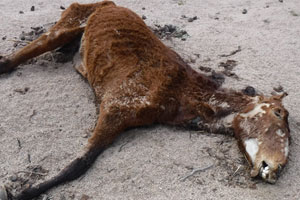
Shocking images have emerged of dead horses littering the Snowy River in Kosciuszko National Park.

Shocking images have emerged of dead horses littering the Snowy River in Kosciuszko National Park.
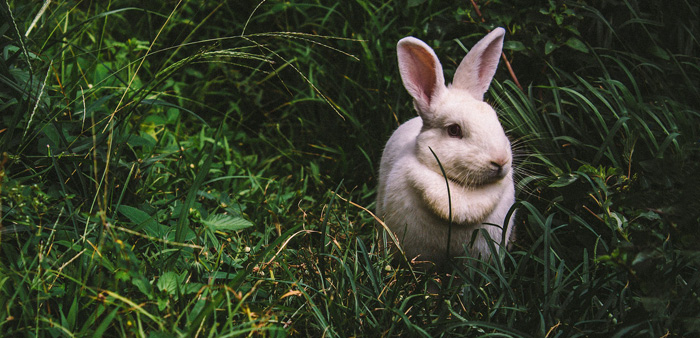
Would a compassionate society let Australia’s feral rabbits roam free rather than trying to control their numbers through killing? Adjunct professor Peter Fleming takes a look at the ethics of killing for conservation.

The release of a wild horse management plan for Kosciuszko National Park is an important chance to rein in exploding feral horse numbers in the alps. Have your say, make a submission by 19 August 2016.

When federal environment minister Greg Hunt made feral cats public enemy number one at the recent Threatened Species Summit his call to cull two million cats elicited an unexpected response from one quarter.
The NSW primary industries minister threatened to use biosecurity laws to prosecute animal activists. Animal activists just as much as farmers and other members of the community need to use good biosecurity practices.
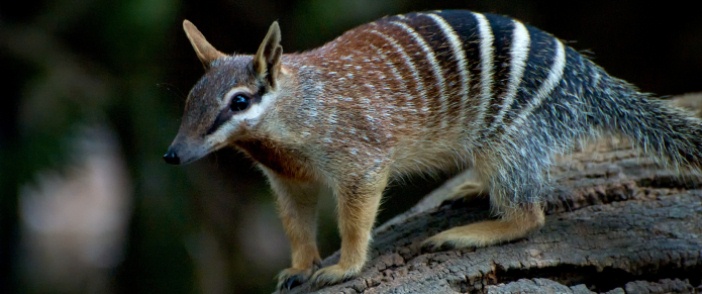
1080 is currently essential for saving Australian native species, particularly threatened mammals, by offering an efficient way to control foxes (and cats to some extent).
If you care about wildlife, the Animal Justice Party (AJP) has some strong election policies.[1] But aspects of their policies relevant to invasive species are
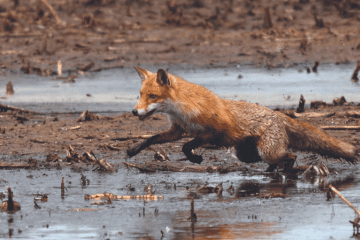
The Invasive Species Council welcomes action to ensure that targets from the Kunming-Montreal Global Biodiversity Framework (GBF) are incorporated into Australia’s national conservation agenda. However, we are deeply concerned about the draft Nature Strategy targets, as proposed in the discussion paper Updating Australia’s Strategy for Nature (February 2024).
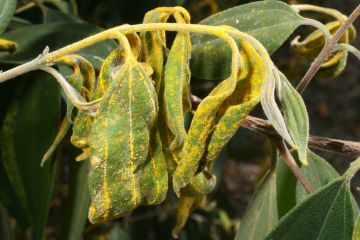
In this submission, we outline the additional funding required for initiatives and policies over the next four years which would improve Australia’s capacity to keep nature safe from new and established invasive species.
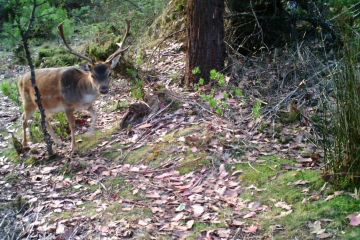
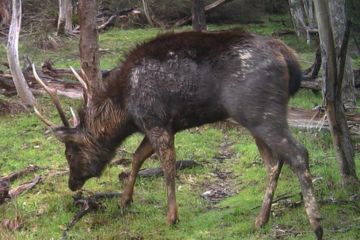
The Invasive Species Council has 8 recommendations to be implemented in 2024 to mitigate the negative impacts of feral deer on the environment, economy, and public safety.
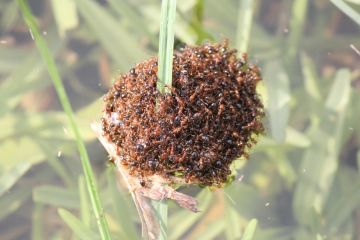
15 urgent recommendations to improve fire ant eradication.
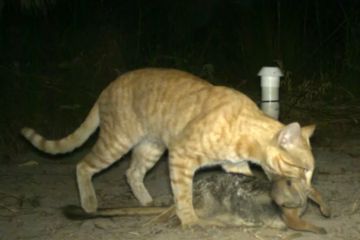
The updated Threat Abatement Plan for predation by feral cats presents a significant opportunity to curb the impacts of feral and roaming pet cats on wildlife, but only if it is adequately funded and fully implemented.
The Invasive Species Council estimates that at least $2.19 million per annum is needed for the next four years to effectively manage deer populations, a cost that represents only 2% of the annual economic impact of feral deer.
This submission presents 101 recommendations to improve invasive species management in the state.
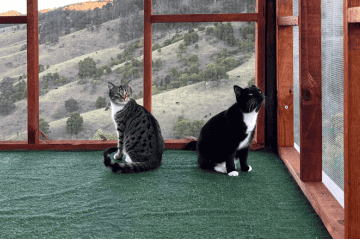
Our submission to the Inquiry into Pounds in NSW has been endorsed by the Australian Wildlife Society, Birdlife Australia, the Nature Conservation Council of NSW and WIRES; our submission addresses policies, legislation and structures needed to support appropriate cat management to limit the impacts on wildlife.
Shocking images have emerged of dead horses littering the Snowy River in Kosciuszko National Park.
Would a compassionate society let Australia’s feral rabbits roam free rather than trying to control their numbers through killing? Adjunct professor Peter Fleming takes a look at the ethics of killing for conservation.
The release of a wild horse management plan for Kosciuszko National Park is an important chance to rein in exploding feral horse numbers in the alps. Have your say, make a submission by 19 August 2016.
When federal environment minister Greg Hunt made feral cats public enemy number one at the recent Threatened Species Summit his call to cull two million cats elicited an unexpected response from one quarter.
The NSW primary industries minister threatened to use biosecurity laws to prosecute animal activists. Animal activists just as much as farmers and other members of the community need to use good biosecurity practices.
1080 is currently essential for saving Australian native species, particularly threatened mammals, by offering an efficient way to control foxes (and cats to some extent).
If you care about wildlife, the Animal Justice Party (AJP) has some strong election policies.[1] But aspects of their policies relevant to invasive species are
The Invasive Species Council welcomes action to ensure that targets from the Kunming-Montreal Global Biodiversity Framework (GBF) are incorporated into Australia’s national conservation agenda. However, we are deeply concerned about the draft Nature Strategy targets, as proposed in the discussion paper Updating Australia’s Strategy for Nature (February 2024).
In this submission, we outline the additional funding required for initiatives and policies over the next four years which would improve Australia’s capacity to keep nature safe from new and established invasive species.
The Invasive Species Council has 8 recommendations to be implemented in 2024 to mitigate the negative impacts of feral deer on the environment, economy, and public safety.
15 urgent recommendations to improve fire ant eradication.
The updated Threat Abatement Plan for predation by feral cats presents a significant opportunity to curb the impacts of feral and roaming pet cats on wildlife, but only if it is adequately funded and fully implemented.
The Invasive Species Council estimates that at least $2.19 million per annum is needed for the next four years to effectively manage deer populations, a cost that represents only 2% of the annual economic impact of feral deer.
This submission presents 101 recommendations to improve invasive species management in the state.
Our submission to the Inquiry into Pounds in NSW has been endorsed by the Australian Wildlife Society, Birdlife Australia, the Nature Conservation Council of NSW and WIRES; our submission addresses policies, legislation and structures needed to support appropriate cat management to limit the impacts on wildlife.
Shocking images have emerged of dead horses littering the Snowy River in Kosciuszko National Park.
Would a compassionate society let Australia’s feral rabbits roam free rather than trying to control their numbers through killing? Adjunct professor Peter Fleming takes a look at the ethics of killing for conservation.
The release of a wild horse management plan for Kosciuszko National Park is an important chance to rein in exploding feral horse numbers in the alps. Have your say, make a submission by 19 August 2016.
When federal environment minister Greg Hunt made feral cats public enemy number one at the recent Threatened Species Summit his call to cull two million cats elicited an unexpected response from one quarter.
The NSW primary industries minister threatened to use biosecurity laws to prosecute animal activists. Animal activists just as much as farmers and other members of the community need to use good biosecurity practices.
1080 is currently essential for saving Australian native species, particularly threatened mammals, by offering an efficient way to control foxes (and cats to some extent).
If you care about wildlife, the Animal Justice Party (AJP) has some strong election policies.[1] But aspects of their policies relevant to invasive species are
The Invasive Species Council welcomes action to ensure that targets from the Kunming-Montreal Global Biodiversity Framework (GBF) are incorporated into Australia’s national conservation agenda. However, we are deeply concerned about the draft Nature Strategy targets, as proposed in the discussion paper Updating Australia’s Strategy for Nature (February 2024).
In this submission, we outline the additional funding required for initiatives and policies over the next four years which would improve Australia’s capacity to keep nature safe from new and established invasive species.
The Invasive Species Council has 8 recommendations to be implemented in 2024 to mitigate the negative impacts of feral deer on the environment, economy, and public safety.
15 urgent recommendations to improve fire ant eradication.
The updated Threat Abatement Plan for predation by feral cats presents a significant opportunity to curb the impacts of feral and roaming pet cats on wildlife, but only if it is adequately funded and fully implemented.
The Invasive Species Council estimates that at least $2.19 million per annum is needed for the next four years to effectively manage deer populations, a cost that represents only 2% of the annual economic impact of feral deer.
This submission presents 101 recommendations to improve invasive species management in the state.
Our submission to the Inquiry into Pounds in NSW has been endorsed by the Australian Wildlife Society, Birdlife Australia, the Nature Conservation Council of NSW and WIRES; our submission addresses policies, legislation and structures needed to support appropriate cat management to limit the impacts on wildlife.