The Invasive Species Council has welcomed a landmark $2.7 million investment from the Australian Government to complete the Dudley Peninsula Feral Cat Eradication Program on Kangaroo Island, capping off an innovative funding partnership that will deliver the world’s largest feral cat eradication ever undertaken on an inhabited island.
The Australian Government investment follows an $800,000 investment the Council secured from the South Australian government ahead of the March state election, and a further $370,000 investment from 7 philanthropic supporters, including the Ian Potter Foundation, Purryburry Trust and Rob Michaels from The Coalition, to help drive the project through to completion.
Together, the funding provides the 2 years of certainty needed to finish the eradication program, with fewer than 150 cats remaining on the Dudley Peninsula.
Invasive Species Council CEO Jack Gough said the investment marked a nationally significant moment for conservation.
‘This is a nationally significant investment in what will become the largest feral cat eradication ever undertaken on an inhabited island anywhere in the world, and it’s fantastic to see philanthropy, the South Australian Government and the Australian Government coming together with the shared ambition to make it happen.
‘We’re incredibly proud to have helped secure the funding needed to finish this globally significant conservation project. By bringing together support from philanthropy, the South Australian Government and now the Australian Government, we’ve helped create the funding certainty needed to complete one of Australia’s most important conservation programs.
‘Island eradications are among the most effective conservation investments we can make. By permanently removing feral cats, we can secure a future for unique wildlife like the critically endangered Kangaroo Island dunnart, while placing South Australia at the forefront of one of the most significant conservation achievements in our nation’s history.
‘The finish line is now in sight, with fewer than 150 feral cats remaining on the Dudley Peninsula. But the last cats are always the hardest to remove, which is why securing this funding now is so important. It means the team can maintain momentum and finish the job without delay.
‘Backing this eradication program is backing the survival of species found nowhere else on Earth, while proving that extinction is not inevitable when governments, communities and philanthropy work together – and decisively.
‘Too often, conservation projects are funded one year at a time, making it harder to retain skilled teams, maintain momentum and deliver lasting environmental outcomes.
‘You wouldn’t build half a bridge and hope someone funds the rest later. Conservation deserves the same long-term thinking. This package gives the team the certainty to finish the job over the next 2 years.’
Invasive Species Council Policy Director Dr Carol Booth said:
‘With Australia facing an H5 bird flu outbreak that will likely devastate bird populations around the country, removing cats, foxes and rodents from islands has become even more urgent.
‘Feral cat eradication is one of the most effective conservation actions we can take to build wildlife resilience. We can’t stop H5N1 reaching Australia’s wildlife, but we can give threatened species a much better chance of surviving by removing invasive predators and restoring healthier ecosystems which is why we’re calling for a federal investment of $200 million resilience funding.’
The Invasive Species Council congratulates everyone involved in securing this outcome, including the Kangaroo Island Landscape Board, the South Australian Government, the Australian Government, philanthropic supporters, local landholders and the Kangaroo Island community, whose long-term commitment has made this globally significant conservation achievement possible.
Paul Conroy, CEO of The Ian Potter Foundation, said:
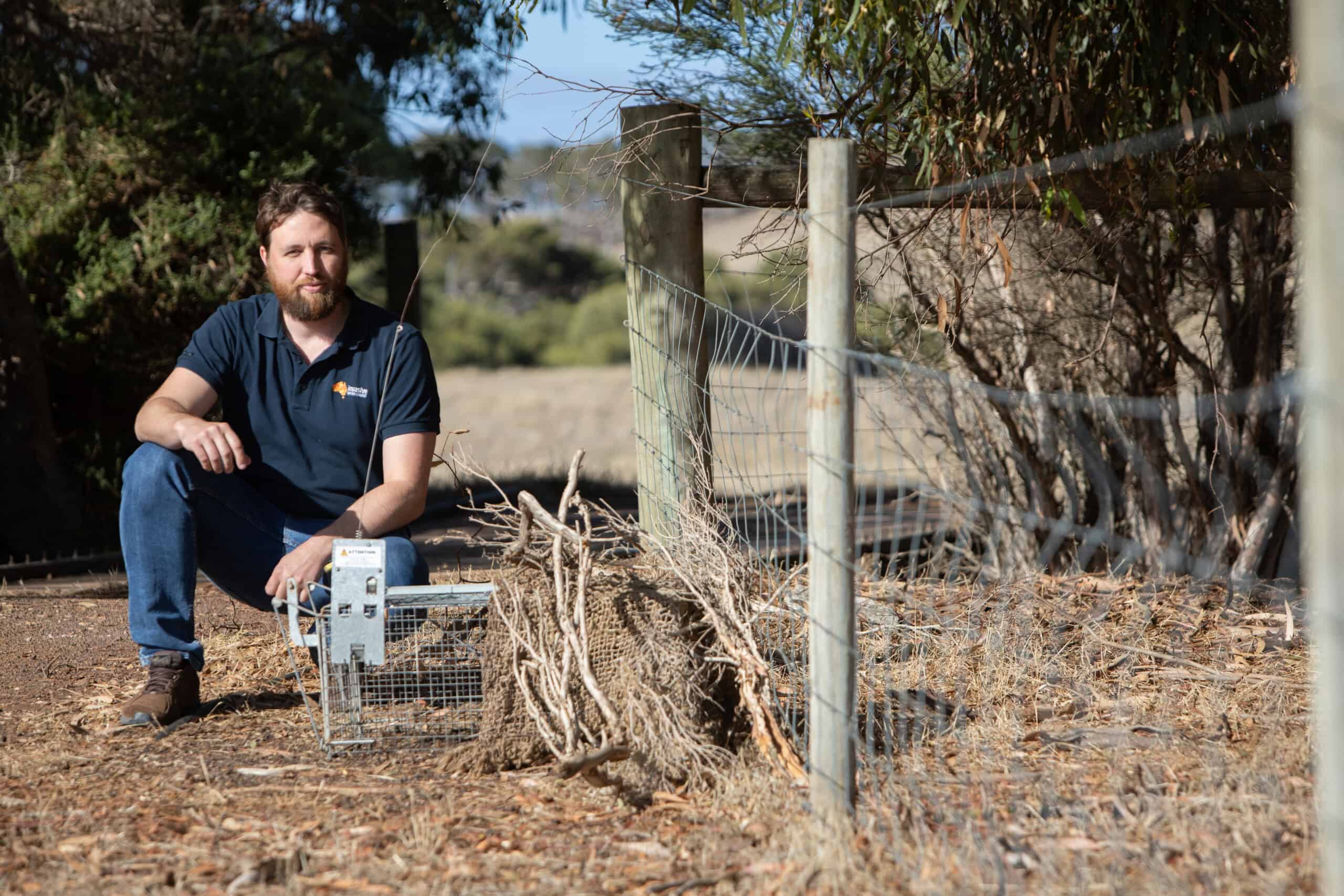
‘We are delighted to support this globally significant project and to see philanthropy and government working together to ensure the final stages of on-ground delivery can continue. Invasive species management on islands is one of the most important conservation initiatives Australia can undertake, and this project sets a benchmark for what can be achieved when local communities play a leading role in delivering an integrated invasive species monitoring and control program.’
Media inquiries: (02) 8006 5004
Photos and other multimedia to accompany this story are available here.
Background:
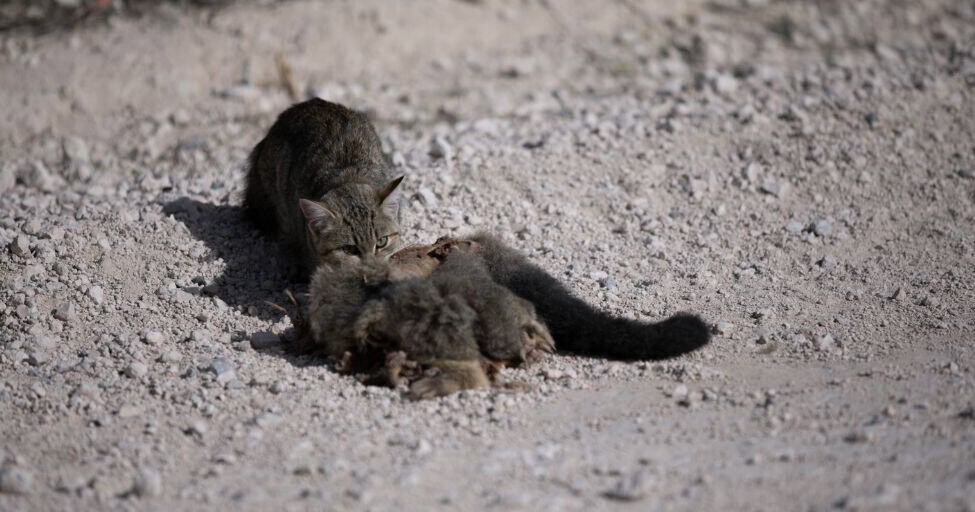
- Feral cats are the apex predator on Kangaroo Island and are known to prey on more than 50 native species. They also spread diseases such as toxoplasmosis, which threatens endangered Australian sea lions and impacts agricultural production.
- Completing the eradication program will protect some of Australia’s most unique wildlife, including the critically endangered Kangaroo Island dunnart, little penguin colonies and other species found nowhere else on Earth, while creating a lasting conservation legacy for future generations.
- Kangaroo Island is internationally renowned for its biodiversity, agriculture, and tourism, contributing $200 million annually to nature-based tourism and $150 million to sheep production pre-bushfires.
- Its unique ecosystems support threatened species such as the Southern Brown Bandicoot, Kangaroo Island Echidna, and Western Whipbird. Feral cats are their primary threat, causing catastrophic declines in native species and spreading diseases like toxoplasmosis, which also impacts agriculture.
- 85 percent of the sea lion population occurs in South Australia, with the 3 largest breeding colonies found at Dangerous Reef, The Pages and Seal Bay on Kangaroo Island.
- Sea lion populations have plummeted by over 60 per cent in the past 4 decades.
Related Content