National biosecurity reform agenda
The signatories to this submission appreciate the willingness of DAFF and the National Biosecurity Committee to engage with us at

A range of submissions to a wide range of government inquiries into weeds, pest animals and environmental diseases in Australia.

The signatories to this submission appreciate the willingness of DAFF and the National Biosecurity Committee to engage with us at
The Invasive Species Council welcomes the opportunity to comment on the exposure draft of the National Environmental Standard (Matters of
The Invasive Species Council welcomes the opportunity to comment on Tasmania’s draft Cat Management in Tasmania discussion paper. Tasmania’s current
The Invasive Species Council welcomes the opportunity to comment on Tasmania’s draft Threatened Species Strategy. While it provides a high-level
The Murray–Darling Basin (MDB) is one of Australia’s most ecologically and economically significant regions. Stretching across 4 states and one
The 2026 Victorian fires – which tragically claimed one life, burned over 400,000 hectares, and destroyed 900 buildings, including at
Invasive species are a leading cause of biodiversity loss and species extinction in Australia and cost an estimated $25 billion
The recent EPBC Act reforms failed to address a threat which has caused more Australian animal extinctions than any other
Australia is overrun by invasive species that hunt, trample, disease and outcompete native wildlife. They degrade ecosystems, erode Indigenous culture,
This submission is in response to the invitation by the Tasmanian Government to providecomments on the discussion paper provided regarding
Some of Australia’s most precious places are imperilled by inaction on threatening processes. For example, the corals reefs of the
Offsets have generally failed to compensate for environmental damage not otherwise avoided or mitigated. But done well, offsets can present
In this submission we raise the question of whether Karenia mikimotoi – or the strain causing the algalbloom in South
The NSW Parliament should reject the Game and Feral Animal Legislation Amendment(Conservation Hunting) Bill 2025 for the following reasons:
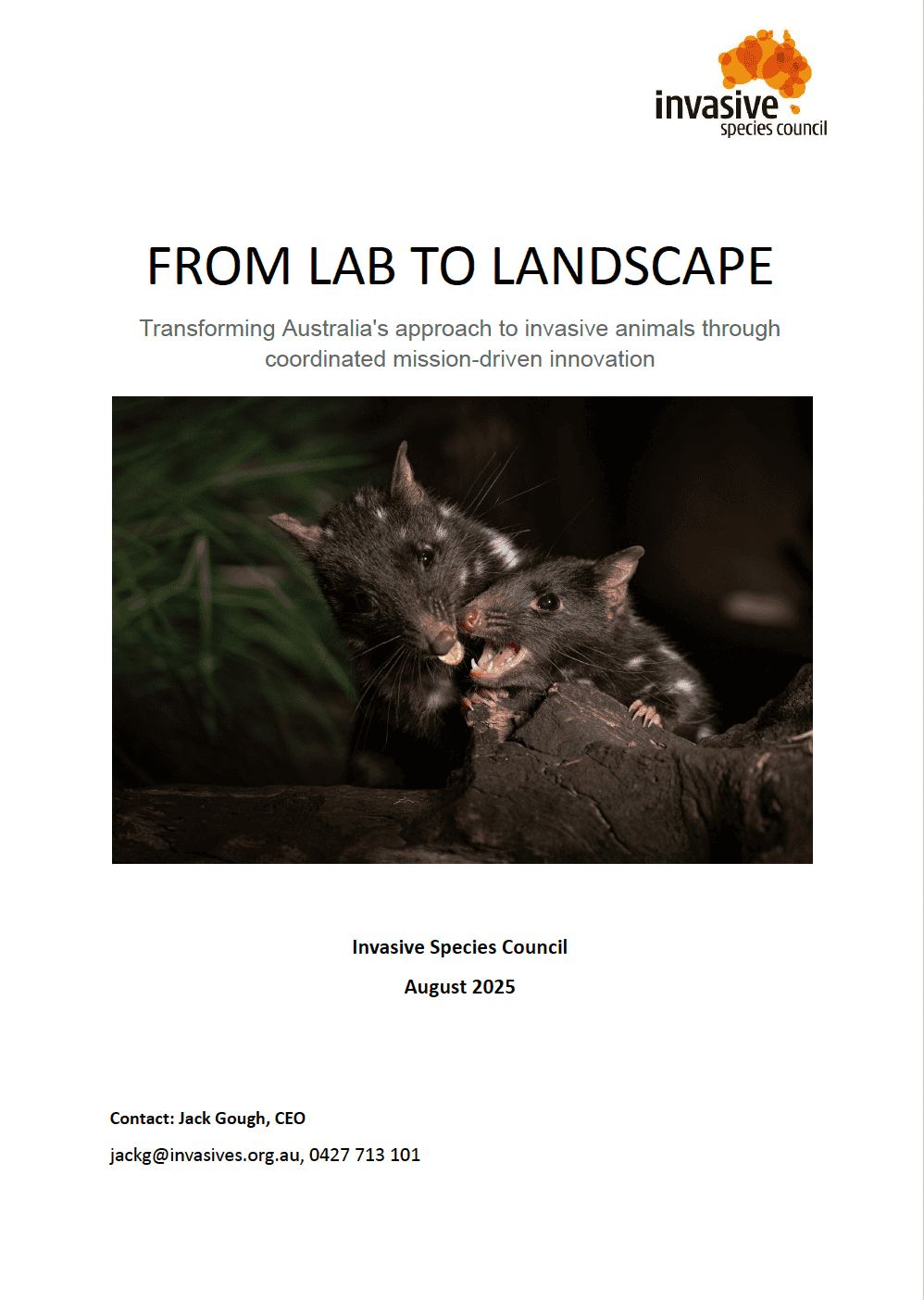
Invasive vertebrates are the biggest driver of animal extinctions in Australia and imperil more than 500 threatened species while causing
This submission to the Senate inquiry into the arrival and establishment of new invasive species impacting on the Australian environment shows that Australia has suffered major losses due to invasive species. It provides data and case studies that indicate ongoing, serious, and systemic flaws in environmental biosecurity and makes recommendations to strengthen environmental biosecurity to prevent the flow of new invasive species that have deadly consequences for the Australian environment.
Submission to proposed framework for a NSW Biosecurity Act prepared in Jun 2104 by the Invasive Species Council, the Australian Association of Bush Regenerators, the National Parks Association of NSW and the Nature Conservation Council of NSW. The submission seeks legal guarantees to promote prevention, better safeguard the public interest, avoid conflicts of interest and ensure accountability.
The submission recommends that a threat abatement plan be prepared for the national Key Threatening Process of escaped garden plants, since the current policies have failed to systematically close pathways for weed establishment and spread and the threat from escaped garden plants remains serious.
The strategy is an important initiative that fills a significant gap for research on invasive species impacting on the environment and the community in Australia. Changes are suggested to clarify a prevention focus, to specify roles to implement the strategy and to support establishment of a national coordination committee to oversee the strategy’s implementation.
In this submission we provide background information that explains the scale of the impact by invasive species on threatened species and ecological communities and we suggest recommended changes to the terms of reference for the Threatened Species Commissioner.
Review of weed management in NSW: Submission to the draft report of the Natural Resources Commission April 2014 prepared by the
This submision sets out the dimensions of NSW’s weed threat – the extent and costs of weed invasion, the rate
The Invasive Species Council is seriously concerned that the Victorian Government has failed to meaningfully deal with the rising feral
The keeping of non-indigenous birds poses a serious risk to the natural environment. The Victorian Government’s discussion paper fails to
A submission to the review of the operations of the NSW Game Council requested by the NSW Premier. The submission
In general the government is commended for the development of the biosecurity strategy and the goal of bringing greater attention
A submission arguing that there needs to be a more business-like approach to invasive species threats – identification of long-term goals and targets, costed plans, a closing of major gaps in legislation and policy and proper involvement of the community sector.
As a replacement for the century-old Quarantine Act 1908, the Biosecurity Bill 2012 represents a rare opportunity to bolster Australia’s
The Invasive Species Council and the Victorian National Parks Association have prepared a joint repsonse to the proposed Invasive Species
This submission focuses on two invasive species issues that should be given a high priority in assessing proposals for new corridor connections: The potential for new corridors to facilitate the spread of some invasive species and the potential for invasive species to compromise the environmental functions for which corridors are proposed.

Listing fire regimes that cause biodiversity decline as a key threatening process could be a major step towards substantially reducing threats to nature in Australia.

A full appreciation of the risks and costs of expanding fallow deer populations and distribution should drive a new approach to deer management in Tasmania.
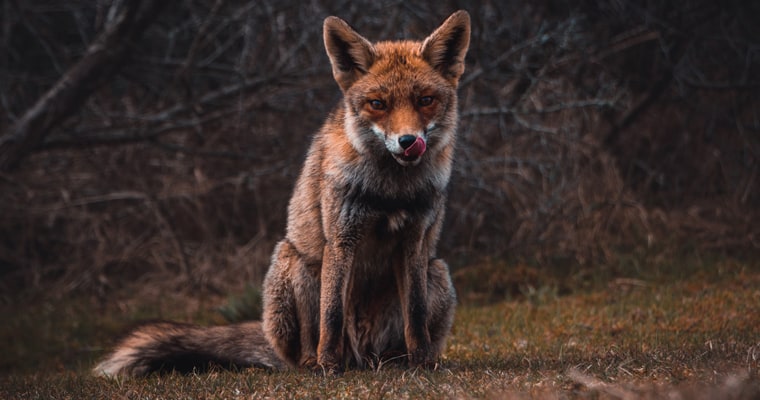
Our submission to the Victorian Parliament’s Inquiry into Ecosystem Decline in Victoria includes recommendations that would see strong progress towards reducing the impacts of invasive species.

UNESCO’s World Heritage Centre has been asked to assist in addressing the growing threat of feral deer in the Tasmanian Wilderness World Heritage Area.

The interim review of the EPBC Act is a straight-talking critique that identified major weaknesses in the Act and proposes promising remedies.

Our joint submission to the Australian Government’s inquiry into the problem of feral and domestic cats includes strengthening regulations for cat-free islands.
Submitted: April 2020
Australia’s system for abating major threats to biodiversity: A Priority for reform of the EPBC Act. A joint submission by the Invasive Species Council and Bush Heritage Australia.
Submitted: April 2020
Letter to NSW planning and environment ministers opposing the movement of water from Talbingo Reservoir to Tantangara Reservoir as part of the Snowy 2.0 proposal due to potential impacts from the spread of invasive species.

The Invasive Species Council supports the development of an interim national priority list of exotic environmental pests and diseases as the first step in developing a more comprehensive list of environmental biosecurity risks for Australia.
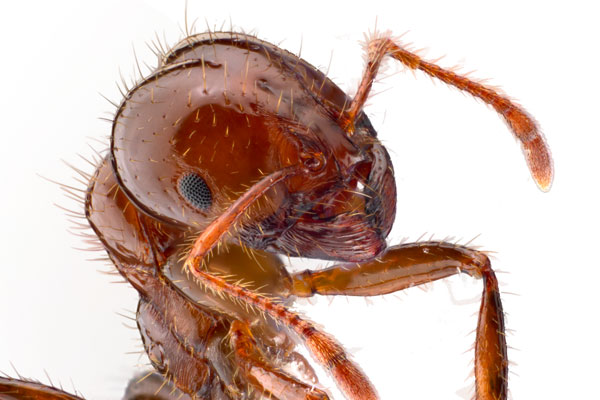
This submission responds to a request for views on the draft National Environmental Biosecurity Response Agreement (NEBRA) released by Australian national, state and territory governments in May 2019.

Submitted: April 2019
A submission that responds to questions raised in the discussion paper and argues that the biosecurity levy charged on shipping imports proposed in the 2018 federal budget should proceed.

Submission to the Australian Senate inquiry into the impacts of feral deer, pigs and goats in Australia, November 2018.

Submitted: September 2018A submission to the Senate inquiry into Australia’s faunal extinction crisis that addresses invasive species as extinction drivers, the importance of key threatening processes and island biosecurity and the need for ambition, inspiration, prevention and monitoring.
Submitted: April 2018
A joint submission with the Nature Conservation Council of NSW that provides 16 detailed recommendations to strengthen the draft regional pest animal plans and reduce the impacts of pest animals in NSW.

Submitted: March 2018
A submission to Australia’s Strategy for Nature 2018-2030 draft that recommends that the proposed Strategy be discarded and the Biodiversity Working Group produce a more appropriate, comprehensive strategy. Additional recommendations are made.
Our protected areas are being trashed, trampled, choked and polluted by an onslaught of invaders. Invasive species are already the overwhelming driver of our animal extinction rate, and are expected to cause 75 of the next 100 extinctions.
But you can help to turn this around and create a wildlife revival in Australia.
From numbats to night parrots, a tax-deductible donation today can help defend our wildlife against the threat of invasive weeds, predators, and diseases.
As the only national advocacy environment group dedicated to stopping this mega threat, your gift will make a big difference.
A silent crisis is unfolding across Australia. Every year, billions of native animals are hunted and killed by cats and foxes. Fire ants continue to spread and threaten human health. And the deadly strain of bird flu looms on the horizon. Your donation today will be used to put the invasive species threat in the media, make invasive species a government priority, ensure governments take rapid action to protect nature and our remarkable native wildlife from invasives-led extinction, death and destruction.
If you are having trouble submitting a form, please read this guide.
Please fill out the following form and one of our team will be in contact to assist as soon as possible. Please make sure to include any helpful information, such as the device you were using (computer, tablet or mobile phone) and if known, your browser (Mozilla Firefox, Chrome, Safari etc)
"*" indicates required fields
Dear Project Team,
[YOUR PERSONALISED MESSAGE WILL APPEAR HERE.]
I support the amendment to the Kosciuszko National Park Wild Horse Heritage Management Plan to allow our incredible National Parks staff to use aerial shooting as one method to rapidly reduce feral horse numbers. I want to see feral horse numbers urgently reduced in order to save the national park and our native wildlife that live there.
The current approach is not solving the problem. Feral horse numbers have rapidly increased in Kosciuszko National Park to around 18,000, a 30% jump in just the past 2 years. With the population so high, thousands of feral horses need to be removed annually to reduce numbers and stop our National Park becoming a horse paddock. Aerial shooting, undertaken humanely and safely by professionals using standard protocols, is the only way this can happen.
The government’s own management plan for feral horses states that ‘if undertaken in accordance with best practice, aerial shooting can have the lowest negative animal welfare impacts of all lethal control methods’.
This humane and effective practice is already used across Australia to manage hundreds of thousands of feral animals like horses, deer, pigs, and goats.
Trapping and rehoming of feral horses has been used in Kosciuszko National Park for well over a decade but has consistently failed to reduce the population, has delayed meaningful action and is expensive. There are too many feral horses in the Alps and not enough demand for rehoming for it to be relied upon for the reduction of the population.
Fertility control as a management tool is only effective for a small, geographically isolated, and accessible population of feral horses where the management outcome sought is to maintain the population at its current size. It is not a viable option to reduce the large and growing feral horse population in the vast and rugged terrain of Kosciuszko National Park.
Feral horses are trashing and trampling our sensitive alpine ecosystems and streams, causing the decline and extinction of native animals. The federal government’s Threatened Species Scientific Committee has stated that feral horses ‘may be the crucial factor that causes final extinction’ for 12 alpine species.
I recognise the sad reality that urgent and humane measures are necessary to urgently remove the horses or they will destroy the Snowies and the native wildlife that call the mountains home. I support a healthy national park where native species like the Corroboree Frog and Mountain Pygmy Possum can thrive.
Dear Project Team,
[YOUR PERSONALISED MESSAGE WILL APPEAR HERE.]
I support the amendment to the Kosciuszko National Park Wild Horse Heritage Management Plan to allow our incredible National Parks staff to use aerial shooting as one method to rapidly reduce feral horse numbers. I want to see feral horse numbers urgently reduced in order to save the national park and our native wildlife that live there.
The current approach is not solving the problem. Feral horse numbers have rapidly increased in Kosciuszko National Park to around 18,000, a 30% jump in just the past 2 years. With the population so high, thousands of feral horses need to be removed annually to reduce numbers and stop our National Park becoming a horse paddock. Aerial shooting, undertaken humanely and safely by professionals using standard protocols, is the only way this can happen.
The government’s own management plan for feral horses states that ‘if undertaken in accordance with best practice, aerial shooting can have the lowest negative animal welfare impacts of all lethal control methods’.
This humane and effective practice is already used across Australia to manage hundreds of thousands of feral animals like horses, deer, pigs, and goats.
Trapping and rehoming of feral horses has been used in Kosciuszko National Park for well over a decade but has consistently failed to reduce the population, has delayed meaningful action and is expensive. There are too many feral horses in the Alps and not enough demand for rehoming for it to be relied upon for the reduction of the population.
Fertility control as a management tool is only effective for a small, geographically isolated, and accessible population of feral horses where the management outcome sought is to maintain the population at its current size. It is not a viable option to reduce the large and growing feral horse population in the vast and rugged terrain of Kosciuszko National Park.
Feral horses are trashing and trampling our sensitive alpine ecosystems and streams, causing the decline and extinction of native animals. The federal government’s Threatened Species Scientific Committee has stated that feral horses ‘may be the crucial factor that causes final extinction’ for 12 alpine species.
I recognise the sad reality that urgent and humane measures are necessary to urgently remove the horses or they will destroy the Snowies and the native wildlife that call the mountains home. I support a healthy national park where native species like the Corroboree Frog and Mountain Pygmy Possum can thrive.