National biosecurity reform agenda
The signatories to this submission appreciate the willingness of DAFF and the National Biosecurity Committee to engage with us at

The signatories to this submission appreciate the willingness of DAFF and the National Biosecurity Committee to engage with us at
The Invasive Species Council welcomes the opportunity to comment on the exposure draft of the National Environmental Standard (Matters of
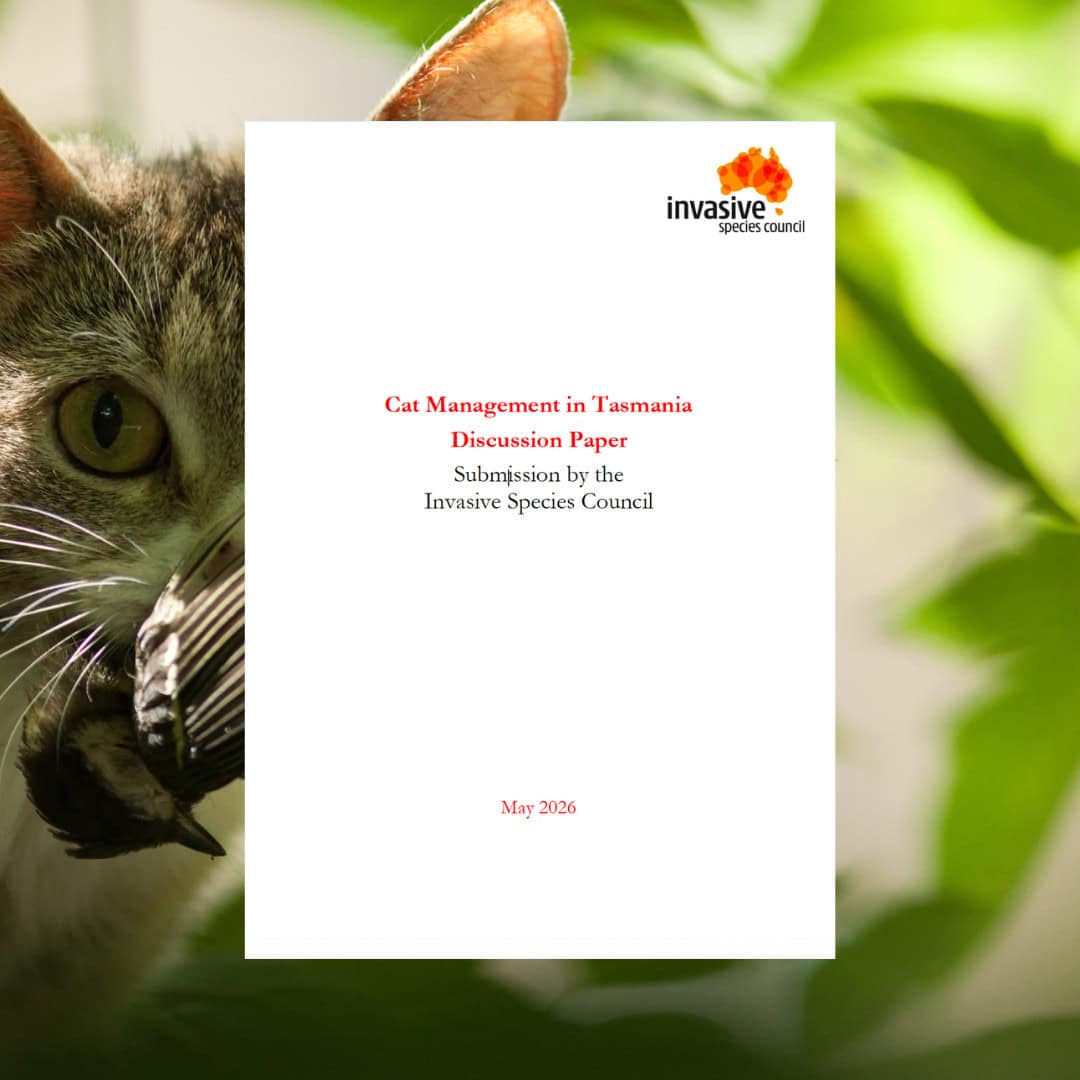
The Invasive Species Council welcomes the opportunity to comment on Tasmania’s draft Cat Management in Tasmania discussion paper. Tasmania’s current
The Invasive Species Council welcomes the opportunity to comment on Tasmania’s draft Threatened Species Strategy. While it provides a high-level
The Murray–Darling Basin (MDB) is one of Australia’s most ecologically and economically significant regions. Stretching across 4 states and one
The 2026 Victorian fires – which tragically claimed one life, burned over 400,000 hectares, and destroyed 900 buildings, including at
Invasive species are a leading cause of biodiversity loss and species extinction in Australia and cost an estimated $25 billion
The recent EPBC Act reforms failed to address a threat which has caused more Australian animal extinctions than any other
Australia is overrun by invasive species that hunt, trample, disease and outcompete native wildlife. They degrade ecosystems, erode Indigenous culture,
This submission is in response to the invitation by the Tasmanian Government to providecomments on the discussion paper provided regarding
Some of Australia’s most precious places are imperilled by inaction on threatening processes. For example, the corals reefs of the
Offsets have generally failed to compensate for environmental damage not otherwise avoided or mitigated. But done well, offsets can present
In this submission we raise the question of whether Karenia mikimotoi – or the strain causing the algalbloom in South
The NSW Parliament should reject the Game and Feral Animal Legislation Amendment(Conservation Hunting) Bill 2025 for the following reasons:
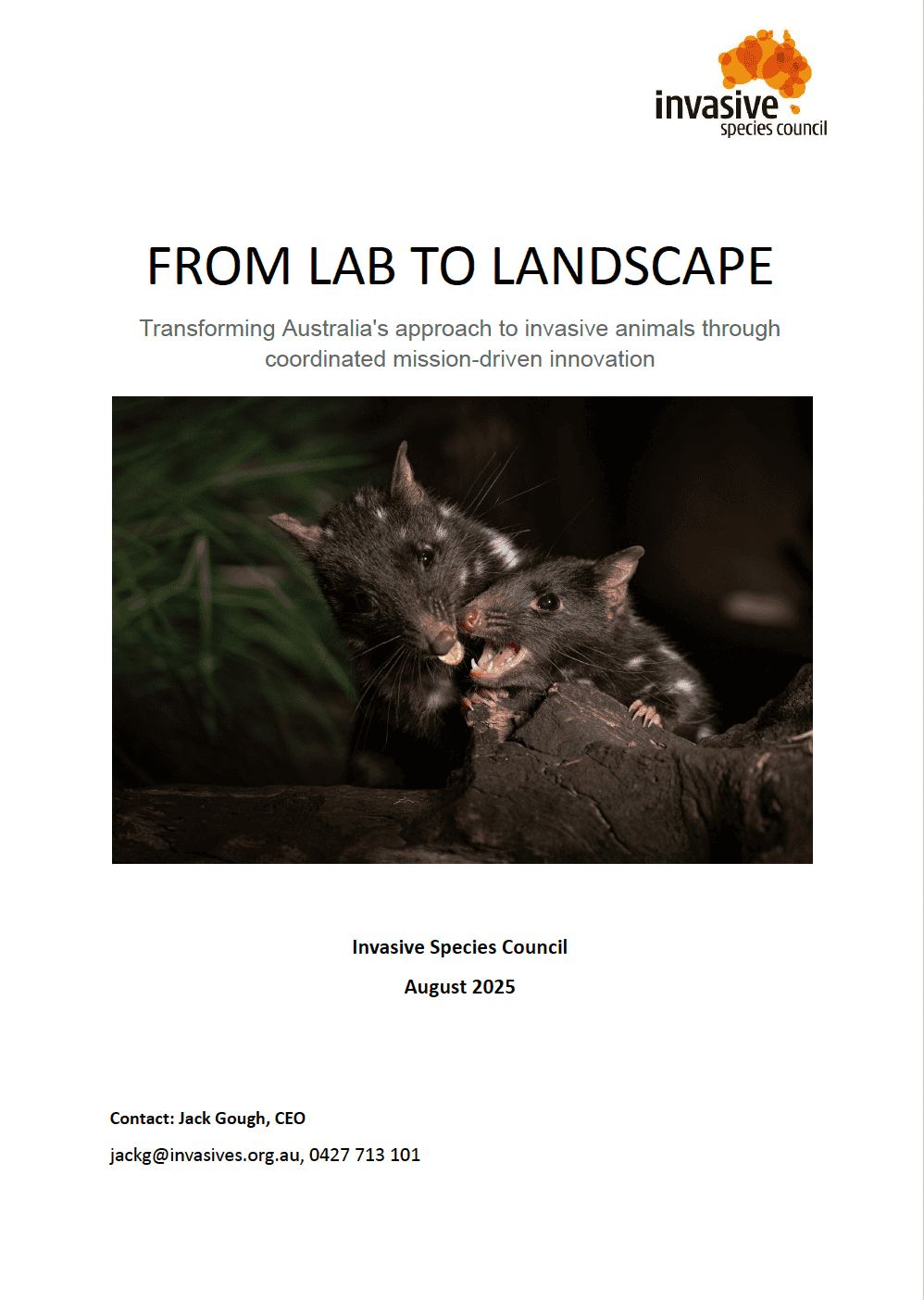
Invasive vertebrates are the biggest driver of animal extinctions in Australia and imperil more than 500 threatened species while causing
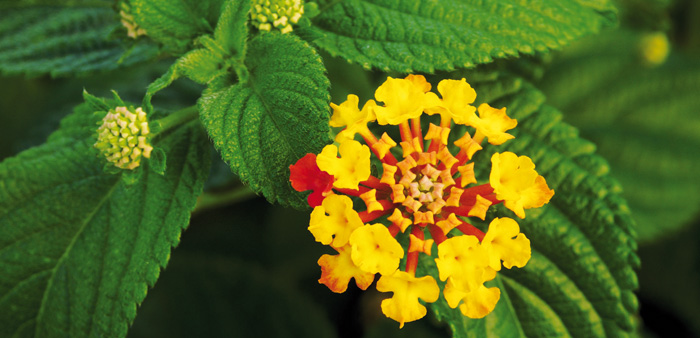
Submitted: April 2016
The Queensland Weed and Pest Animal Strategy can be significantly strengthened to maximise the effectiveness of invasive species control and management under the new Act.
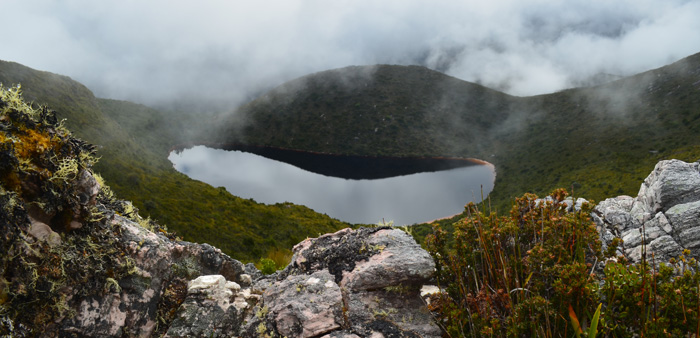
Submitted: April 2016
Tasmania should play a strong leadership role in national policy on biosecurity and invasive species. Leadership in these areas would not only benefit Tasmania but all of Australia.

Submitted: March 2016
Invasive species are an even bigger problem for the natural environment than they are for agriculture, and so demand a greater focus on reducing their risks to the environment through the NSW Biosecurity Act.

Submitted: March 2016
Moves to allow the commercial use of feral bumblebees in Tasmania by changing national environmental laws could pave the way for other harmful invasive species being illegally introduced into Australia.
A joint submission to the Natural Resources Commission review of pest management in NSW.
The Invasive Species Council endorses most of the objectives and actions outlined in this comprehensive draft plan. The plan is mostly clear and succinct.
A joint submission by the Invasive Species Council and the Queensland Conservation Council to the Queensland Biosecurity Capability Review. The submission argues for a greater focus on the environment, improved preventive action and more involvement of the community.
The proposed new direction is unclear, despite the value of underpinning concepts of coordination and collaboration. The paper either signifies an exciting new era or government retreat from all but a few popular causes.
A submission to the Australian government draft feral cat threat abatement plan that seeks improved nationally coordinated action and funding to reduce the environmental impact from feral cats. Submitted July 2015.
A submission to the draft Western Australian State Biosecurity Strategy.
A joint response by the Invasive Species Council and the Australian Marine Conservation Society to a government issues paper.
A submission by the Invasive Species Council to the Senate inquiry into the Biosecurity Bill 2014 and endorsed by 27 other environmental groups.
A submission consisting of 15 case studies that form an attachment to the primary submission to the Senate inquiry into preventing new invasive species.
In September 2014 we made a submission into the Australian Government’s inquiry into the adequacy of arrangements to prevent the
A submission to the review of the import risk analysis process by the Department of Agriculture conducted between July and September 2014. The submission argues that a systematic risk-based approach be used to determine priorities for future import risk analyses and that the process could be improved through greater independence, better use of environmental expertise and the precautionary principle and an extended appeals process.
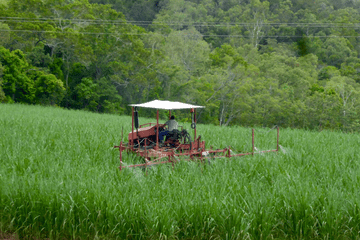
While we can understand the rationale of consolidating biosecurity with food safety into one strategy and understand the relation and influence between them, it is our view that this removes the clear and targeted focus on biosecurity that the previous strategy communicated effectively.
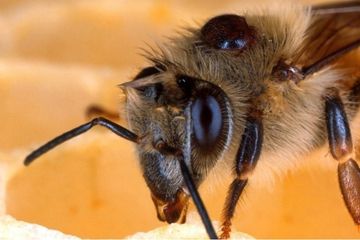
We support efforts to strengthen the national biosecurity system, with particular focus on prevention and early action to prevent detrimental impacts on the Australian environment from invasive plants, animals and diseases.
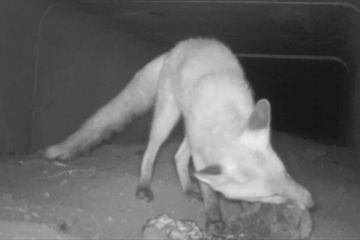
Animal welfare is important – for both introduced and native species – because of an ethical imperative to try to avoid inflicting harm on sentient animals.
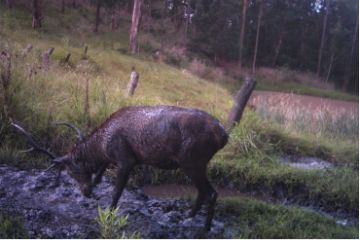
The Invasive Species Council welcomes the development of a new Feral Deer Management Strategy to replace the Feral Deer Management Strategy 2013-18.
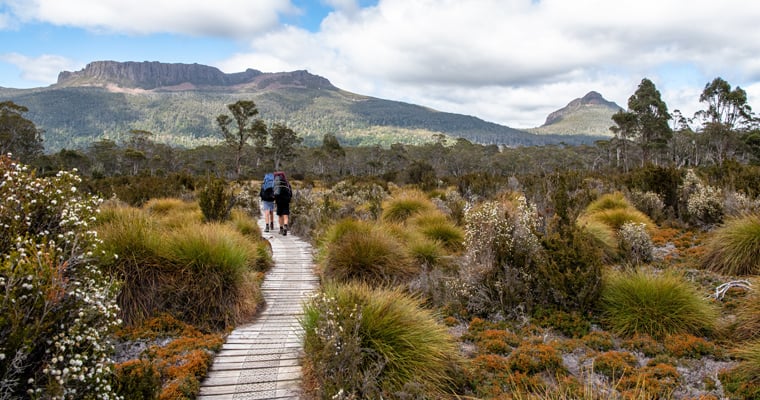
The Post-2020 Global Biodiversity Framework must have a central mission that is a clear and urgent commitment to halt and reverse biodiversity loss.
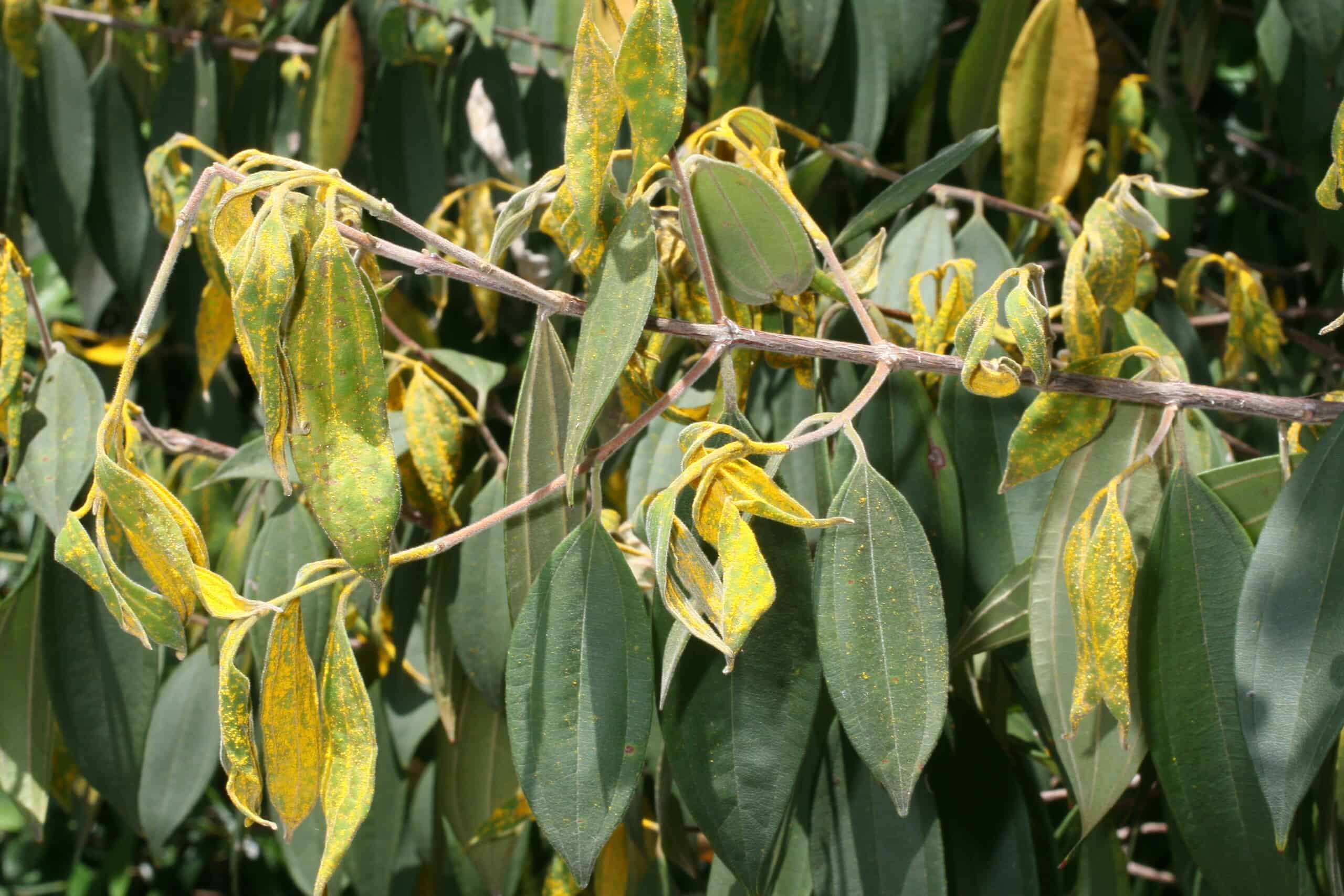
Invasive species are driving massive loss of the natural world, globally and in Australia. The projections predict the pressures driving these impacts will only increase. A stronger, risk-based biosecurity system that seeks to involve all Australians is essential to limit this loss and move Australia towards ecological recovery.
In this submission to the proposal to list adverse fire regimes at a national key threatening process we address the question of whether there should be a national threat abatement plan.
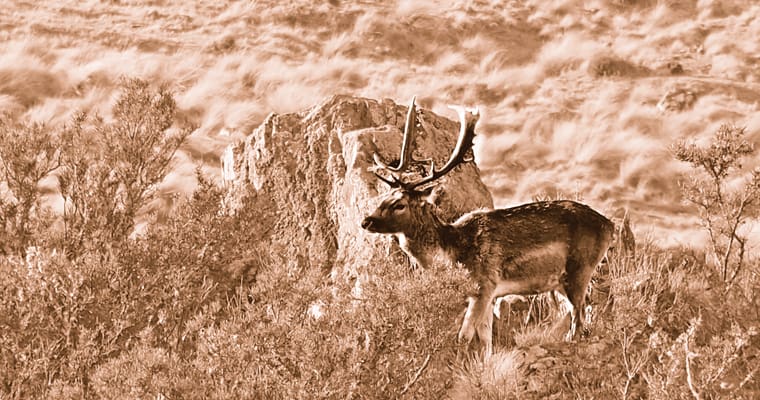
Tasmania needs to take a new, biosecurity-based approach to managing the growing environmental and agricultural problems posed by increasing numbers of feral deer.
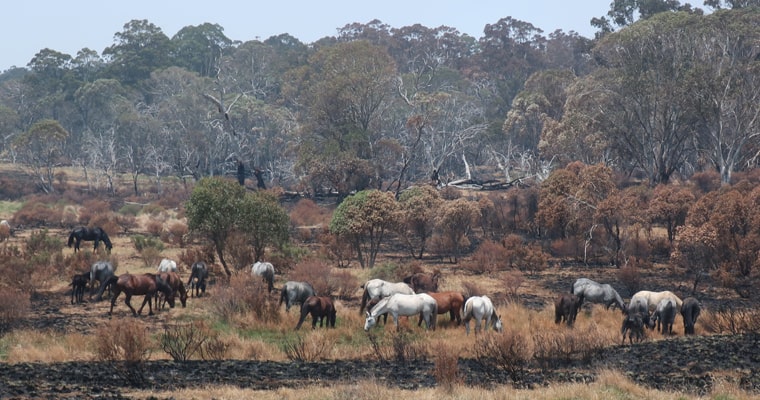
The goal of any horse management plan for Kosciuszko National Park must be to eliminate and restore feral horse damage through significant reduction in numbers.
Given their rapid growth, spread and impacts there is no justification for feral deer to remain Partly Protected Wildlife in Tasmania.
The Australian Government is developing a new Threatened Species Strategy Action Plan. This is our response to the consultation paper.

Australia needs the ecological knowledge, technologies, economic and social strategies to prevent new and emerging invasive species.

Our submission to the Victorian Wildlife Act review focuses on the association between the Act and exotic animals, particularly feral deer.
This submission is a response to Parks Victoria’s 2021 draft feral horse action plan, Protection of the Alpine National Park.

Overall, we strongly endorse the draft implementation plan for the Priority Exotic Environmental Pests List. However, a few important gaps in the plan need to be addressed.