The Invasive Species Council has warned the federal budget fails to match the scale of Australia’s invasive species crisis, with cuts to key pest and weed programs and ongoing short-term funding locking in uncertainty for frontline efforts.
The Council said while the almost $100 million two-year extension of the Saving Native Species Fund avoids an immediate funding cliff, it continues a stop-start cycle that undermines long-term progress and leaves critical environmental work without the certainty needed to succeed.
‘The disaster scenario, with all funding stopped for the critical Saving Native Species Program, has been avoided with a 2 year, $100 million lifeline for nature,’ Invasive Species Council CEO Jack Gough said.
‘This was far from guaranteed in the tough budget process, so I congratulate Environment Minister Murray Watt on being able to save at least some of the furniture and ensure critical on-ground work around the country can continue.
‘It is very disappointing that the year-on-year funding for this program, which has been renamed Protecting Australia’s Native Species, will also be 27 per cent lower – declining from $64 million per year over the past 3.5 years to just $46.8 million in 2027–28.
‘We welcome a one-year, $11.2 million investment in further H5 bird flu preparedness and resilience activities to protect wildlife.
‘Sadly, this budget continues a pattern of short-term funding and low ambition which will see the health of our wildlife, rivers and Australian landscapes continue to go backwards.
‘Last year’s budget spent just 6 cents in every $100 on nature and this budget is even worse, with cuts across both the Environment and Agriculture Departments to programs that support on-ground environmental work.
‘Environmental biosecurity funding has effectively been frozen at just $850,000 per year since 2018. At a time when invasive species threats are growing, standing still is falling behind.
‘The two-year extension of the Saving Native Species Fund avoids an immediate cliff, but it creates ongoing uncertainty for the very programs it is meant to support.
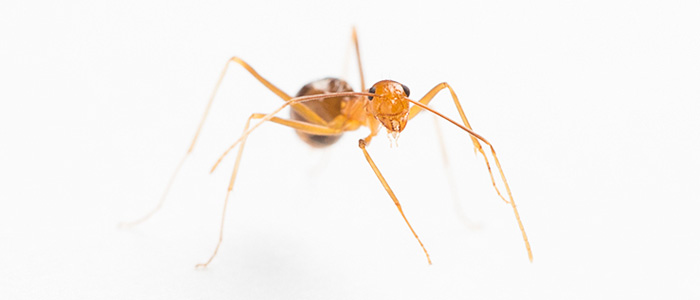
‘Projects like deer eradication in world heritage areas, gamba grass control in the Northern Territory, yellow crazy ant eradication in Queensland, and feral cat eradication on Kangaroo Island, all depend on sustained, long-term investment if we are to continue hard-earned wins that are happening on the ground.
‘Instead, we’ve got stop–start funding that makes it harder to plan, harder to retain skilled workers and harder and more expensive to finish the job.
‘We are also deeply concerned by deep cuts to the agriculture department’s budget, which will see coordinated national action on invasive species reduced or stopped altogether.
‘The government must urgently clarify what happens next for critical programs like the National Feral Deer Action Plan and important control and research efforts targeting pigs and weeds.
‘These programs are essential to protecting our landscapes, supporting communities and reducing the long-term cost of invasive species damage.
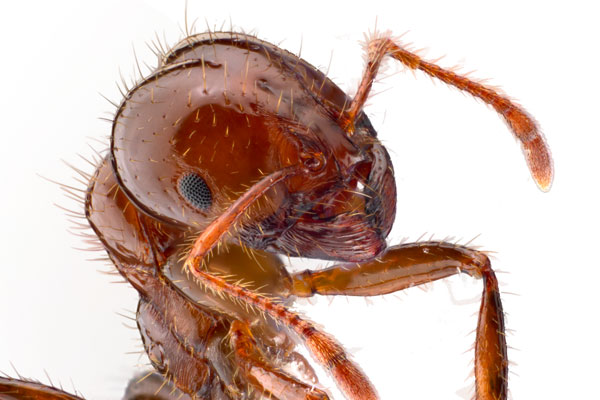
‘Australia is also facing critical budget decisions on fire ants, with current funding due to run out next year – and no long-term commitment yet locked in to finish the job.
‘It is disappointing that there is no clear investment in the next-generation biocontrols needed to stop rabbits from denuding our landscapes, but we hope that the boost to CSIRO funding will ensure that an announcement about this is made very soon.
‘Invasive species don’t wait for budget cycles, yet year after year governments expect them to – with ad hoc, uncoordinated and unstrategic funding, or worse, cuts.
‘If we fail to invest properly now, we will pay far more later – in lost wildlife, degraded landscapes and rising control costs.
‘Australia has shown it can lead the world on invasive species when the investment is there. What’s missing in this budget is the long-term commitment to see that work through.’
Media inquiries: (02) 8006 5004
Related Content