The Invasive Species Council has slammed Tasmania’s draft Threatened Species Strategy as a missed opportunity to stop extinctions, warning it fails to address the biggest threats of biodiversity loss – including invasive species.
The Council says the draft strategy is a vague, high-level document that risks locking in further decline by avoiding the hard decisions needed to tackle threats head-on.
‘There’s a real irony at the heart of this – a threatened species strategy that doesn’t meaningfully deal with threats,’ Invasive Species Council Conservation Officer, Dr Tiana Pirtle said.
‘Right now, species are being driven to the brink by well-known threats, yet this document barely deals with threats at all. That’s a blueprint for failure.
‘We know threatened species are threatened due to underlying pressures – whether that’s invasive species, habitat loss or disease. If those pressures aren’t clearly identified and addressed, we won’t see meaningful recovery.
‘One of the most significant gaps is the absence of a clear process to identify and prioritise key threatening processes, and a commitment to act on them.
‘There are also no measurable targets, timeframes or monitoring framework, which makes it difficult to assess whether the strategy is working or delivering outcomes.
‘The previous strategy recognised that managing threats is the most effective way to protect species. That principle needs to be reinstated here.
The Council is calling for the strategy to be strengthened to ensure it can drive real conservation outcomes, including:
- A clear, threat-based framework that identifies and prioritises key threatening processes
- Commitment to the development and implementation of threat abatement plans
- Measurable, time-bound targets to track progress and ensure accountability
- Long-term, sustained funding and clear government leadership
‘Without these elements, there is a real risk that the strategy will continue the gap between intent and implementation that has been identified in previous approaches.
‘With the right changes, followed by a long-term commitment of resourcing, Environment Minister Madeleine Ogilvie has an opportunity to provide a strong foundation for reversing species decline – but it needs to be grounded in the drivers of that decline and backed by clear action.’
Media inquiries: (02) 8006 5004
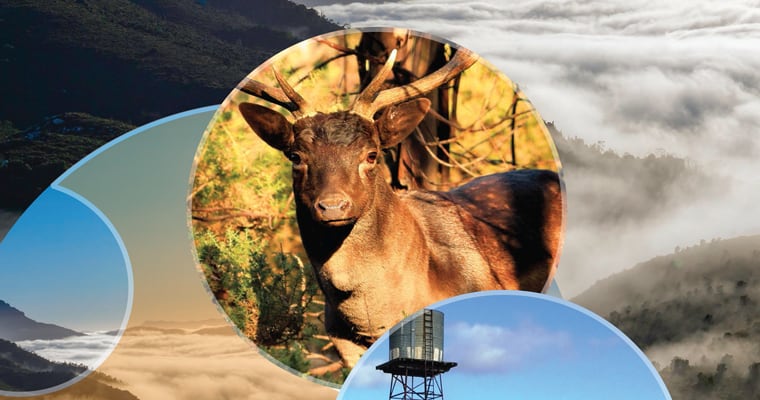
Image: Fallow deer damage near Miena. Credit: Nicole-Anderson.
Related Content