If you followed the headlines, you could be forgiven for thinking Australia’s environmental debate begins and ends with climate targets, logging battles and development fights.
But that’s not the whole picture.
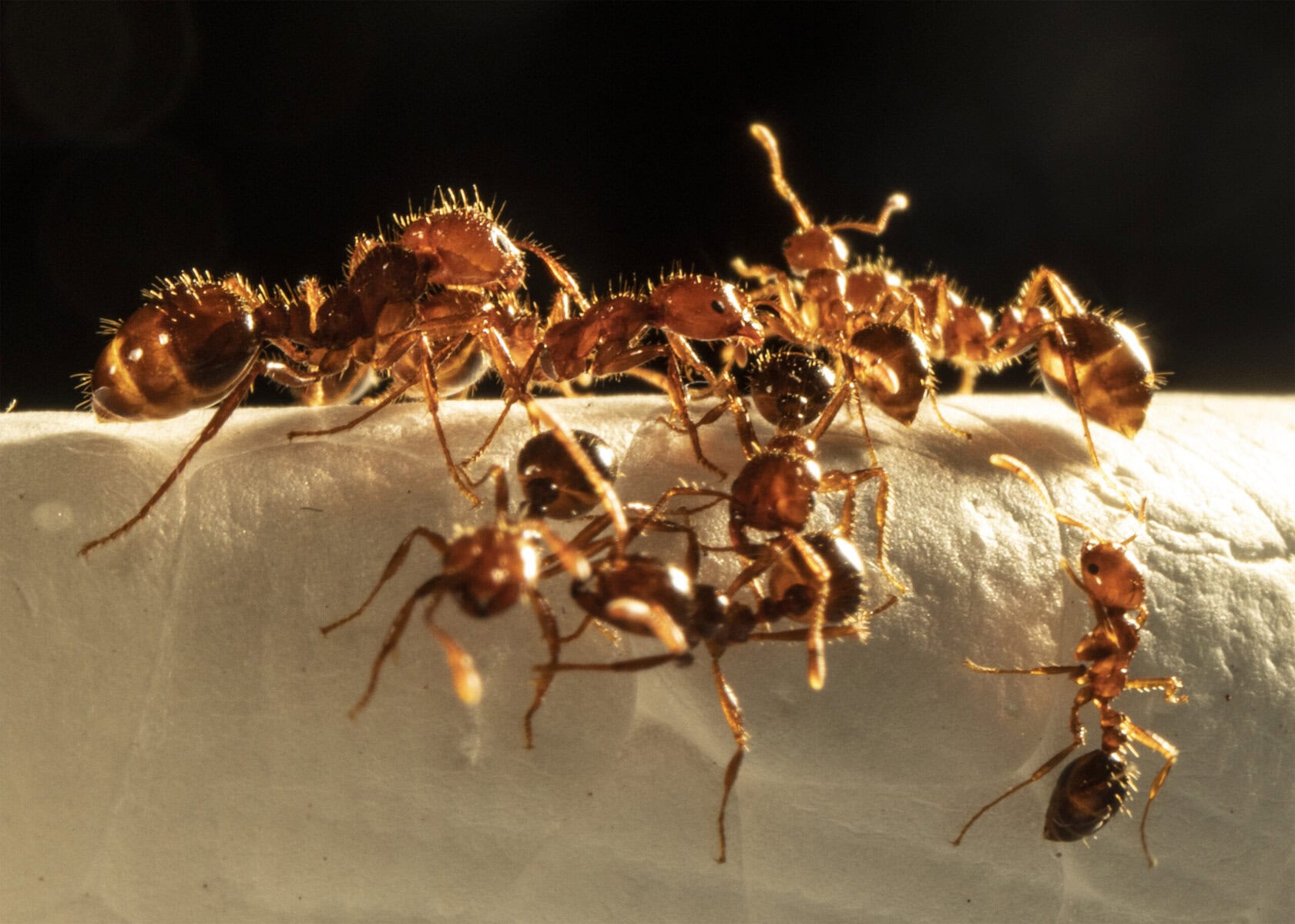
Across the country, our native wildlife is being torn apart by invasive species. Feral deer are trashing, trampling and polluting our bushland and rivers. Fire ants are overwhelming habitats and attacking native animals. A brewing rabbit plague is tearing up landscapes. Weeds are choking waterways and fuelling hotter, more destructive fires.
There’s no real disagreement about this.
In the recent Nepean by-election in Victoria, we spoke with candidates from across the political spectrum. What stood out wasn’t division – it was agreement. No one seriously disputes the need for practical environmental action. No one argues we should let invasive species run wild.
And yet, at a national level, no party is truly owning this space.
When environmental issues become political battlegrounds, governments retreat to slogans and symbolism. The unglamorous, essential work – boots on the ground, long-term funding, coordinated national programs – falls through the cracks.
We’ve seen a different Australia before.
Governments led by both Bob Hawke and John Howard invested in practical, nation-building environmental programs like Landcare and the Natural Heritage Trust. These were grounded, bipartisan efforts that delivered real results and have stood the test of time.
Today, that approach has faded.
We now spend just 6 cents in every $100 of the federal budget on nature repair. Programs like Saving Native Species show what’s possible – but funding is short-term, fragmented and constantly at risk. Crews are stood down just as momentum builds, and communities are left to pick up the slack.
You wouldn’t put out half a fire or build half a bridge, but that’s exactly what happens time and again with environmental programs.
And here’s the truth: even if we resolved every climate and development debate tomorrow, our rivers, forests and wildlife would still be in decline without serious investment in practical action.
This isn’t about choosing one issue over another. It’s about recognising that Australia can – and must – do both.
Real patriotism isn’t chest-beating or culture war theatrics. It’s taking responsibility for the land that sustains us – and backing it with action.
Australians understand that instinctively. The question is whether our political leaders are prepared to rise above the noise and meet them there.
Because right now, the biggest environmental opportunity in the country isn’t being fought over.
It’s being ignored.
Jack Gough, Invasive Species Council CEO
Related Content