Victorian landholder blocked from controlling hog deer under outdated laws
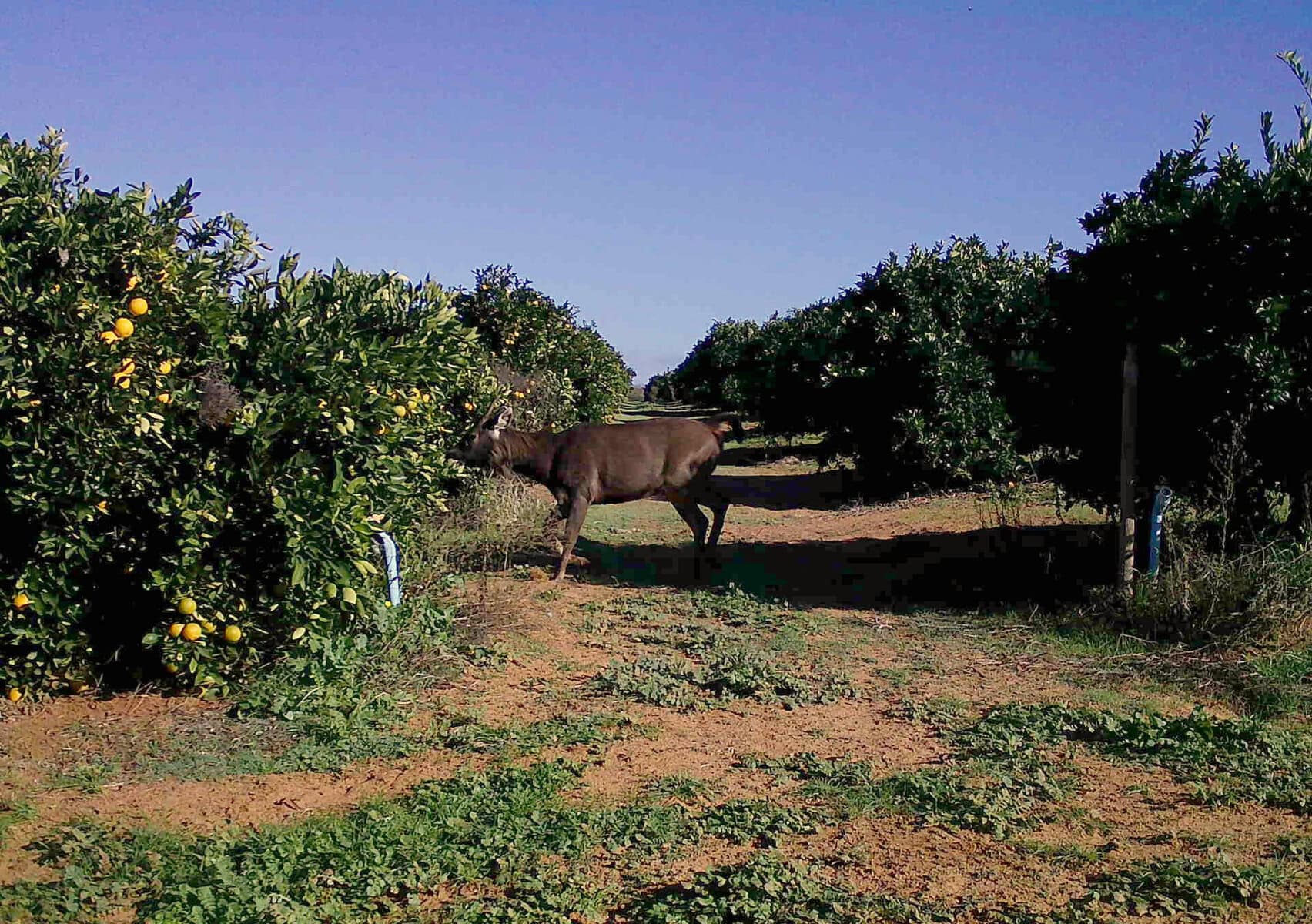
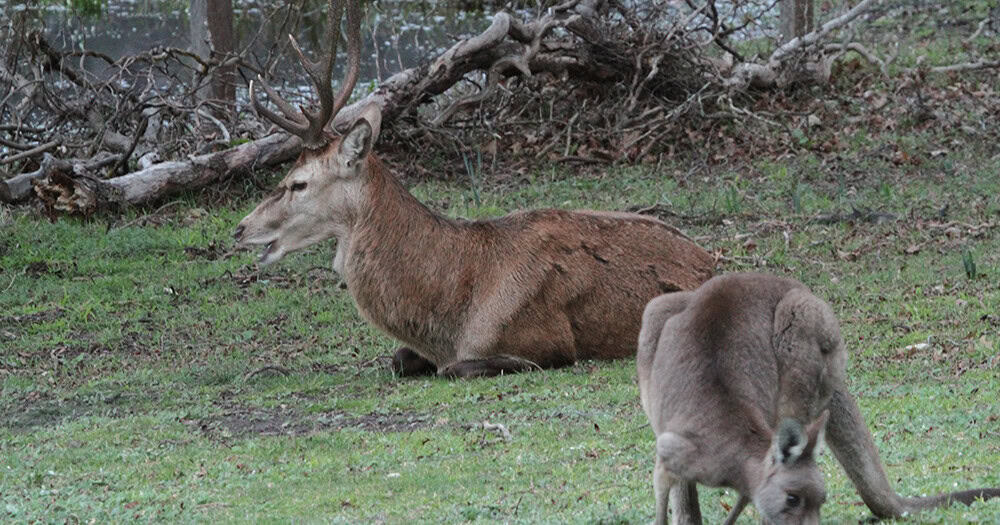
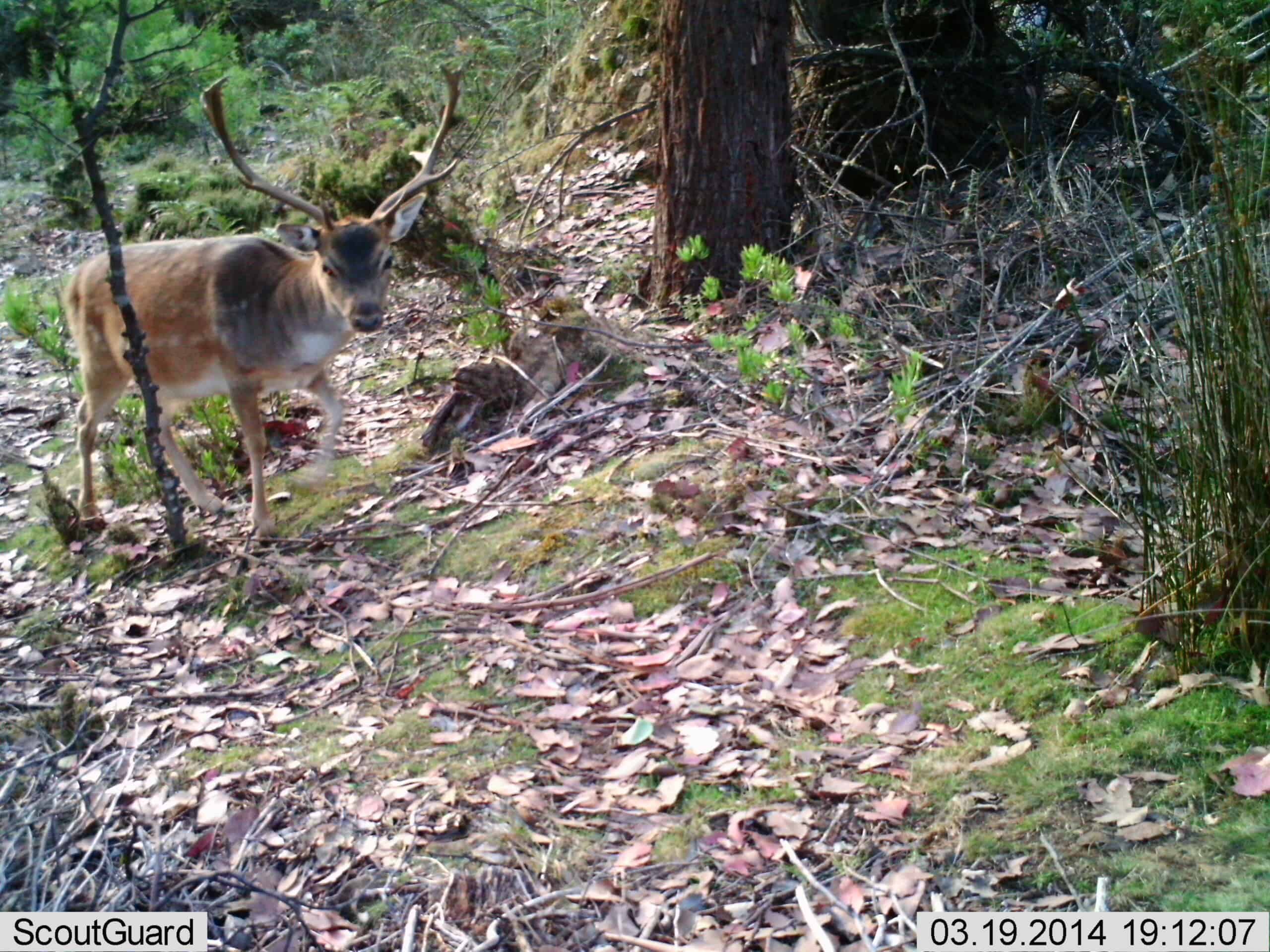
A Victorian landholder says she has been blocked from controlling invasive hog deer on her property due to restrictive and outdated state laws.

A Victorian landholder says she has been blocked from controlling invasive hog deer on her property due to restrictive and outdated state laws.

Victoria’s natural environment will suffer and communities will be left to bear the cost of worsening invasive species threats after the state budget entrenched cuts to frontline roles and failed to deliver meaningful new investment in pest control.

The Invasive Species Council has welcomed the incoming Victorian Ministry, urging the Allan Government to use the Cabinet reshuffle as a circuit breaker moment to tackle the state’s growing invasive species crisis.

Farmers, conservationists and community advocates have formed a new alliance to push for action on invasive species ahead of the November Victorian election, warning government cuts to frontline programs have left the state dangerously exposed to exploding pest populations.

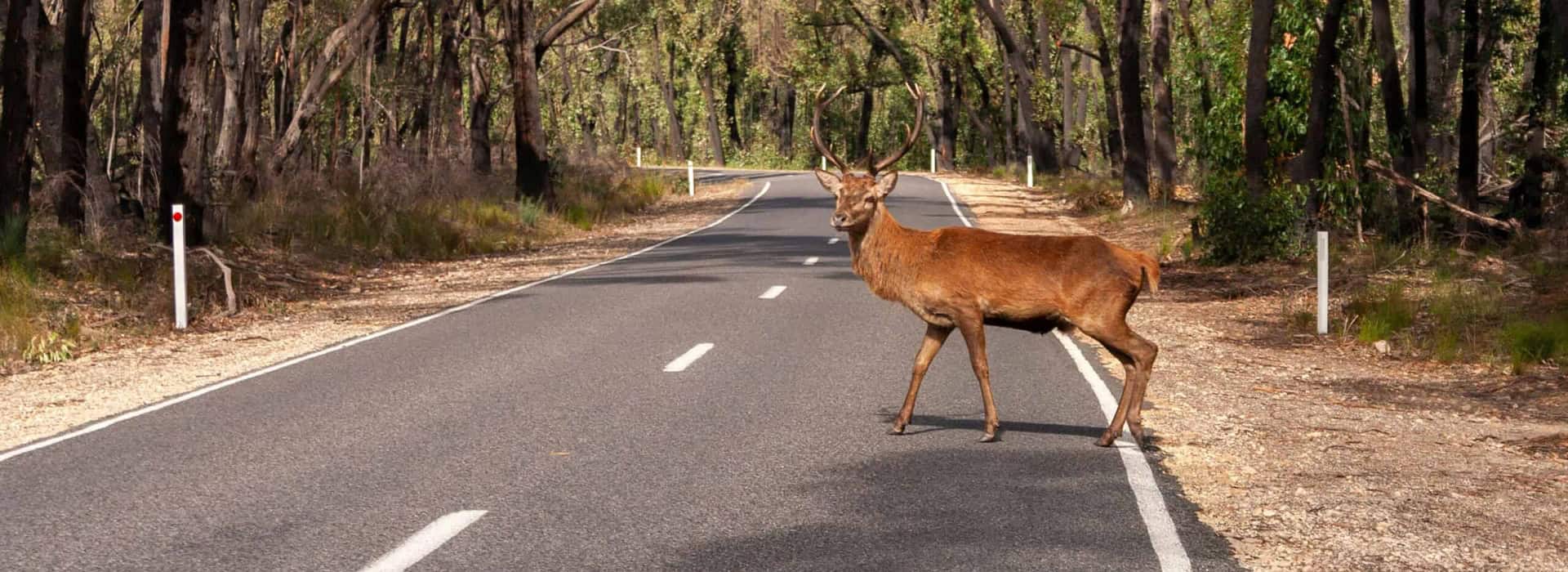
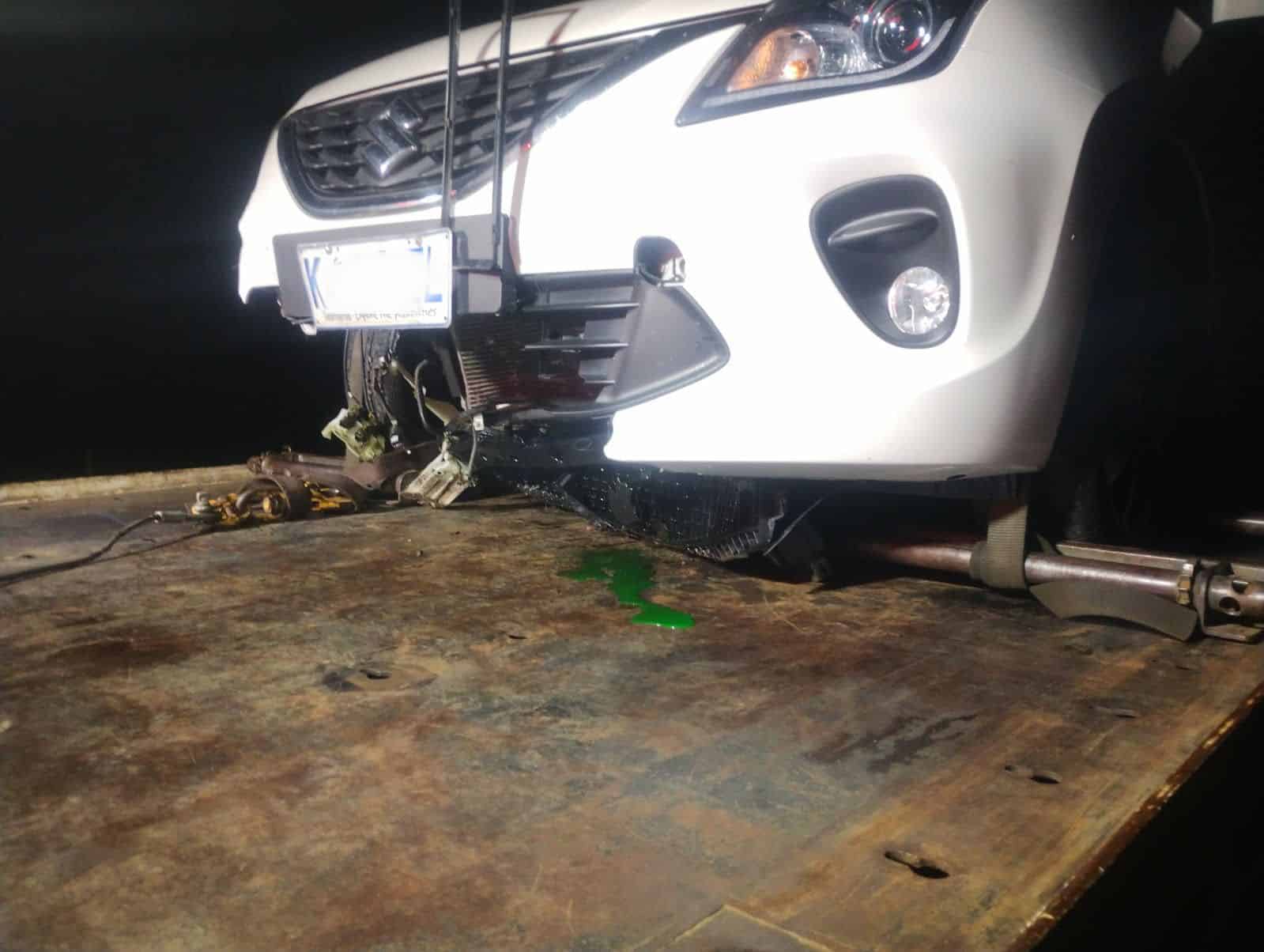
Deer-related car crashes in Tasmania have surged by more than 160 per cent in five years, with insurance claims costs rising by more than 330 per cent – prompting fresh calls for urgent action to rein in the state’s booming feral deer population.

South Australia is on the verge of achieving something no other mainland state has done – the eradication of a well-established invasive vertebrate. More than 28,400 feral deer have already been removed under the state’s nation-leading program, and eradication is now within reach.

The Invasive Species Council has welcomed new federal funding to support feral deer management in South Australia, saying it’s an encouraging boost for the state’s ambitious eradication effort – but more investment is urgently needed to finish the job.

Late on a Friday afternoon – while most Victorians were heading home for the weekend – the Allan Government quietly slipped out its long-awaited response to the Wildlife Act review.

The Invasive Species Council has condemned the Allan Government’s decision to maintain protection for feral deer under the Wildlife Act 1975, defying expert advice, community feedback, and mounting evidence of the environmental, economic and safety damage these animals cause across Victoria.

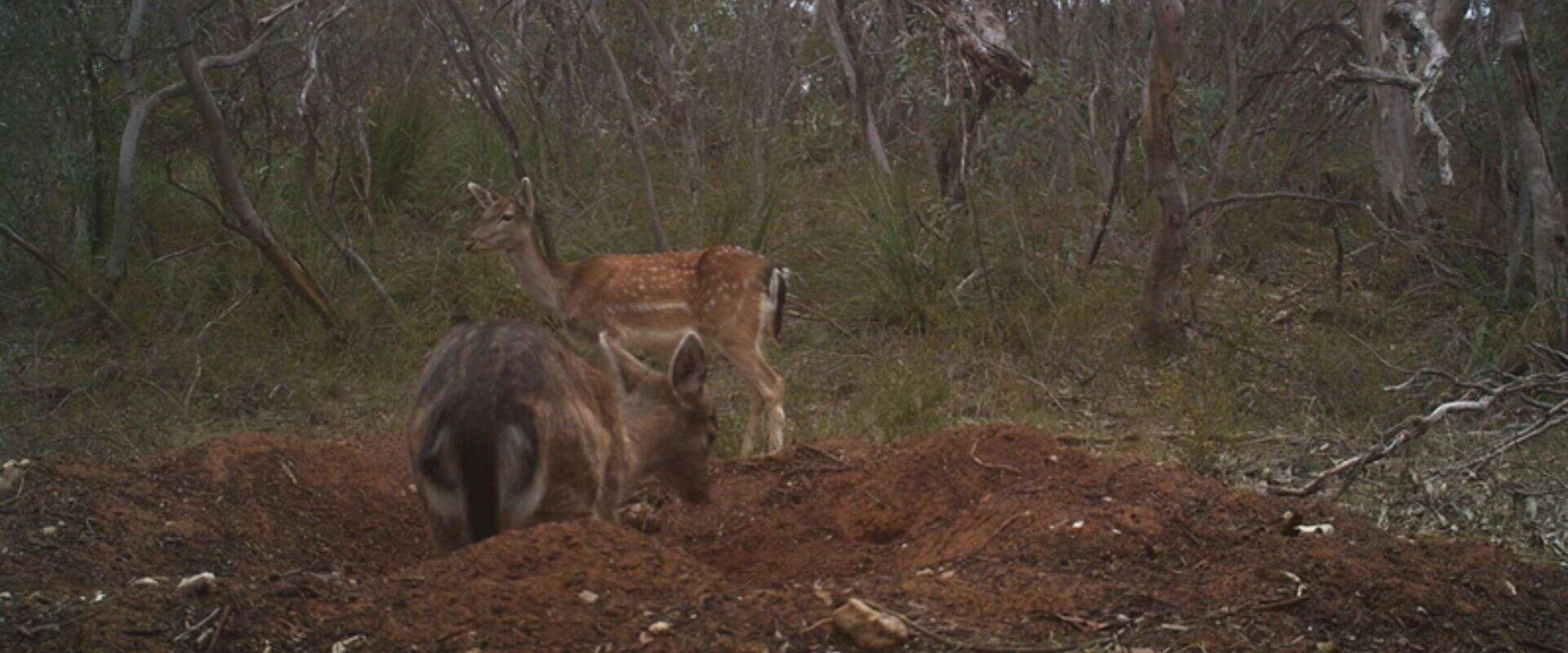
Tasmania is facing a feral deer crisis, as new population numbers show a dramatic increase of 33% in just 5 years, according to the government’s survey report released today.

The Victorian National Parks Association, Invasive Species Council and Environment East Gippsland have slammed the Allan Government’s decision to open 130,000 hectares of Victoria’s Errinundra and Snowy River National Parks to seasonal deer hunting.

The Invasive Species Council has criticised the latest Victorian Budget for failing to invest in the state’s collapsing biodiversity and the growing threat of invasive species – despite overwhelming community support for action.

Calls for all parties to seize a landmark opportunity to back 2 globally significant invasive species eradication programs in South Australia.

After a decade-long delay, the Tasmanian State of Environment report has finally been released and shows invasive species are rapidly overtaking Tasmania’s unique wildlife and landscapes.

Tasmania is a remarkable island state with native animals and plants found nowhere else on Earth. It has some of Australia’s most spectacular protected areas

A Victorian landholder says she has been blocked from controlling invasive hog deer on her property due to restrictive and outdated state laws.

Victoria’s natural environment will suffer and communities will be left to bear the cost of worsening invasive species threats after the state budget entrenched cuts to frontline roles and failed to deliver meaningful new investment in pest control.

The Invasive Species Council has welcomed the incoming Victorian Ministry, urging the Allan Government to use the Cabinet reshuffle as a circuit breaker moment to tackle the state’s growing invasive species crisis.

Farmers, conservationists and community advocates have formed a new alliance to push for action on invasive species ahead of the November Victorian election, warning government cuts to frontline programs have left the state dangerously exposed to exploding pest populations.

Deer-related car crashes in Tasmania have surged by more than 160 per cent in five years, with insurance claims costs rising by more than 330 per cent – prompting fresh calls for urgent action to rein in the state’s booming feral deer population.

South Australia is on the verge of achieving something no other mainland state has done – the eradication of a well-established invasive vertebrate. More than 28,400 feral deer have already been removed under the state’s nation-leading program, and eradication is now within reach.

The Invasive Species Council has welcomed new federal funding to support feral deer management in South Australia, saying it’s an encouraging boost for the state’s ambitious eradication effort – but more investment is urgently needed to finish the job.

Late on a Friday afternoon – while most Victorians were heading home for the weekend – the Allan Government quietly slipped out its long-awaited response to the Wildlife Act review.

The Invasive Species Council has condemned the Allan Government’s decision to maintain protection for feral deer under the Wildlife Act 1975, defying expert advice, community feedback, and mounting evidence of the environmental, economic and safety damage these animals cause across Victoria.

Tasmania is facing a feral deer crisis, as new population numbers show a dramatic increase of 33% in just 5 years, according to the government’s survey report released today.

The Victorian National Parks Association, Invasive Species Council and Environment East Gippsland have slammed the Allan Government’s decision to open 130,000 hectares of Victoria’s Errinundra and Snowy River National Parks to seasonal deer hunting.

The Invasive Species Council has criticised the latest Victorian Budget for failing to invest in the state’s collapsing biodiversity and the growing threat of invasive species – despite overwhelming community support for action.

Calls for all parties to seize a landmark opportunity to back 2 globally significant invasive species eradication programs in South Australia.

After a decade-long delay, the Tasmanian State of Environment report has finally been released and shows invasive species are rapidly overtaking Tasmania’s unique wildlife and landscapes.

Tasmania is a remarkable island state with native animals and plants found nowhere else on Earth. It has some of Australia’s most spectacular protected areas

A Victorian landholder says she has been blocked from controlling invasive hog deer on her property due to restrictive and outdated state laws.

Victoria’s natural environment will suffer and communities will be left to bear the cost of worsening invasive species threats after the state budget entrenched cuts to frontline roles and failed to deliver meaningful new investment in pest control.

The Invasive Species Council has welcomed the incoming Victorian Ministry, urging the Allan Government to use the Cabinet reshuffle as a circuit breaker moment to tackle the state’s growing invasive species crisis.

Farmers, conservationists and community advocates have formed a new alliance to push for action on invasive species ahead of the November Victorian election, warning government cuts to frontline programs have left the state dangerously exposed to exploding pest populations.

Deer-related car crashes in Tasmania have surged by more than 160 per cent in five years, with insurance claims costs rising by more than 330 per cent – prompting fresh calls for urgent action to rein in the state’s booming feral deer population.

South Australia is on the verge of achieving something no other mainland state has done – the eradication of a well-established invasive vertebrate. More than 28,400 feral deer have already been removed under the state’s nation-leading program, and eradication is now within reach.

The Invasive Species Council has welcomed new federal funding to support feral deer management in South Australia, saying it’s an encouraging boost for the state’s ambitious eradication effort – but more investment is urgently needed to finish the job.

Late on a Friday afternoon – while most Victorians were heading home for the weekend – the Allan Government quietly slipped out its long-awaited response to the Wildlife Act review.

The Invasive Species Council has condemned the Allan Government’s decision to maintain protection for feral deer under the Wildlife Act 1975, defying expert advice, community feedback, and mounting evidence of the environmental, economic and safety damage these animals cause across Victoria.

Tasmania is facing a feral deer crisis, as new population numbers show a dramatic increase of 33% in just 5 years, according to the government’s survey report released today.

The Victorian National Parks Association, Invasive Species Council and Environment East Gippsland have slammed the Allan Government’s decision to open 130,000 hectares of Victoria’s Errinundra and Snowy River National Parks to seasonal deer hunting.

The Invasive Species Council has criticised the latest Victorian Budget for failing to invest in the state’s collapsing biodiversity and the growing threat of invasive species – despite overwhelming community support for action.

Calls for all parties to seize a landmark opportunity to back 2 globally significant invasive species eradication programs in South Australia.

After a decade-long delay, the Tasmanian State of Environment report has finally been released and shows invasive species are rapidly overtaking Tasmania’s unique wildlife and landscapes.

Tasmania is a remarkable island state with native animals and plants found nowhere else on Earth. It has some of Australia’s most spectacular protected areas
Get our blog the Feral Herald delivered to your inbox.
Our protected areas are being trashed, trampled, choked and polluted by an onslaught of invaders. Invasive species are already the overwhelming driver of our animal extinction rate, and are expected to cause 75 of the next 100 extinctions.
But you can help to turn this around and create a wildlife revival in Australia.
From numbats to night parrots, a tax-deductible donation today can help defend our wildlife against the threat of invasive weeds, predators, and diseases.
As the only national advocacy environment group dedicated to stopping this mega threat, your gift will make a big difference.
A silent crisis is unfolding across Australia. Every year, billions of native animals are hunted and killed by cats and foxes. Fire ants continue to spread and threaten human health. And the deadly strain of bird flu looms on the horizon. Your donation today will be used to put the invasive species threat in the media, make invasive species a government priority, ensure governments take rapid action to protect nature and our remarkable native wildlife from invasives-led extinction, death and destruction.
If you are having trouble submitting a form, please read this guide.
Please fill out the following form and one of our team will be in contact to assist as soon as possible. Please make sure to include any helpful information, such as the device you were using (computer, tablet or mobile phone) and if known, your browser (Mozilla Firefox, Chrome, Safari etc)
"*" indicates required fields
Dear Project Team,
[YOUR PERSONALISED MESSAGE WILL APPEAR HERE.]
I support the amendment to the Kosciuszko National Park Wild Horse Heritage Management Plan to allow our incredible National Parks staff to use aerial shooting as one method to rapidly reduce feral horse numbers. I want to see feral horse numbers urgently reduced in order to save the national park and our native wildlife that live there.
The current approach is not solving the problem. Feral horse numbers have rapidly increased in Kosciuszko National Park to around 18,000, a 30% jump in just the past 2 years. With the population so high, thousands of feral horses need to be removed annually to reduce numbers and stop our National Park becoming a horse paddock. Aerial shooting, undertaken humanely and safely by professionals using standard protocols, is the only way this can happen.
The government’s own management plan for feral horses states that ‘if undertaken in accordance with best practice, aerial shooting can have the lowest negative animal welfare impacts of all lethal control methods’.
This humane and effective practice is already used across Australia to manage hundreds of thousands of feral animals like horses, deer, pigs, and goats.
Trapping and rehoming of feral horses has been used in Kosciuszko National Park for well over a decade but has consistently failed to reduce the population, has delayed meaningful action and is expensive. There are too many feral horses in the Alps and not enough demand for rehoming for it to be relied upon for the reduction of the population.
Fertility control as a management tool is only effective for a small, geographically isolated, and accessible population of feral horses where the management outcome sought is to maintain the population at its current size. It is not a viable option to reduce the large and growing feral horse population in the vast and rugged terrain of Kosciuszko National Park.
Feral horses are trashing and trampling our sensitive alpine ecosystems and streams, causing the decline and extinction of native animals. The federal government’s Threatened Species Scientific Committee has stated that feral horses ‘may be the crucial factor that causes final extinction’ for 12 alpine species.
I recognise the sad reality that urgent and humane measures are necessary to urgently remove the horses or they will destroy the Snowies and the native wildlife that call the mountains home. I support a healthy national park where native species like the Corroboree Frog and Mountain Pygmy Possum can thrive.
Dear Project Team,
[YOUR PERSONALISED MESSAGE WILL APPEAR HERE.]
I support the amendment to the Kosciuszko National Park Wild Horse Heritage Management Plan to allow our incredible National Parks staff to use aerial shooting as one method to rapidly reduce feral horse numbers. I want to see feral horse numbers urgently reduced in order to save the national park and our native wildlife that live there.
The current approach is not solving the problem. Feral horse numbers have rapidly increased in Kosciuszko National Park to around 18,000, a 30% jump in just the past 2 years. With the population so high, thousands of feral horses need to be removed annually to reduce numbers and stop our National Park becoming a horse paddock. Aerial shooting, undertaken humanely and safely by professionals using standard protocols, is the only way this can happen.
The government’s own management plan for feral horses states that ‘if undertaken in accordance with best practice, aerial shooting can have the lowest negative animal welfare impacts of all lethal control methods’.
This humane and effective practice is already used across Australia to manage hundreds of thousands of feral animals like horses, deer, pigs, and goats.
Trapping and rehoming of feral horses has been used in Kosciuszko National Park for well over a decade but has consistently failed to reduce the population, has delayed meaningful action and is expensive. There are too many feral horses in the Alps and not enough demand for rehoming for it to be relied upon for the reduction of the population.
Fertility control as a management tool is only effective for a small, geographically isolated, and accessible population of feral horses where the management outcome sought is to maintain the population at its current size. It is not a viable option to reduce the large and growing feral horse population in the vast and rugged terrain of Kosciuszko National Park.
Feral horses are trashing and trampling our sensitive alpine ecosystems and streams, causing the decline and extinction of native animals. The federal government’s Threatened Species Scientific Committee has stated that feral horses ‘may be the crucial factor that causes final extinction’ for 12 alpine species.
I recognise the sad reality that urgent and humane measures are necessary to urgently remove the horses or they will destroy the Snowies and the native wildlife that call the mountains home. I support a healthy national park where native species like the Corroboree Frog and Mountain Pygmy Possum can thrive.