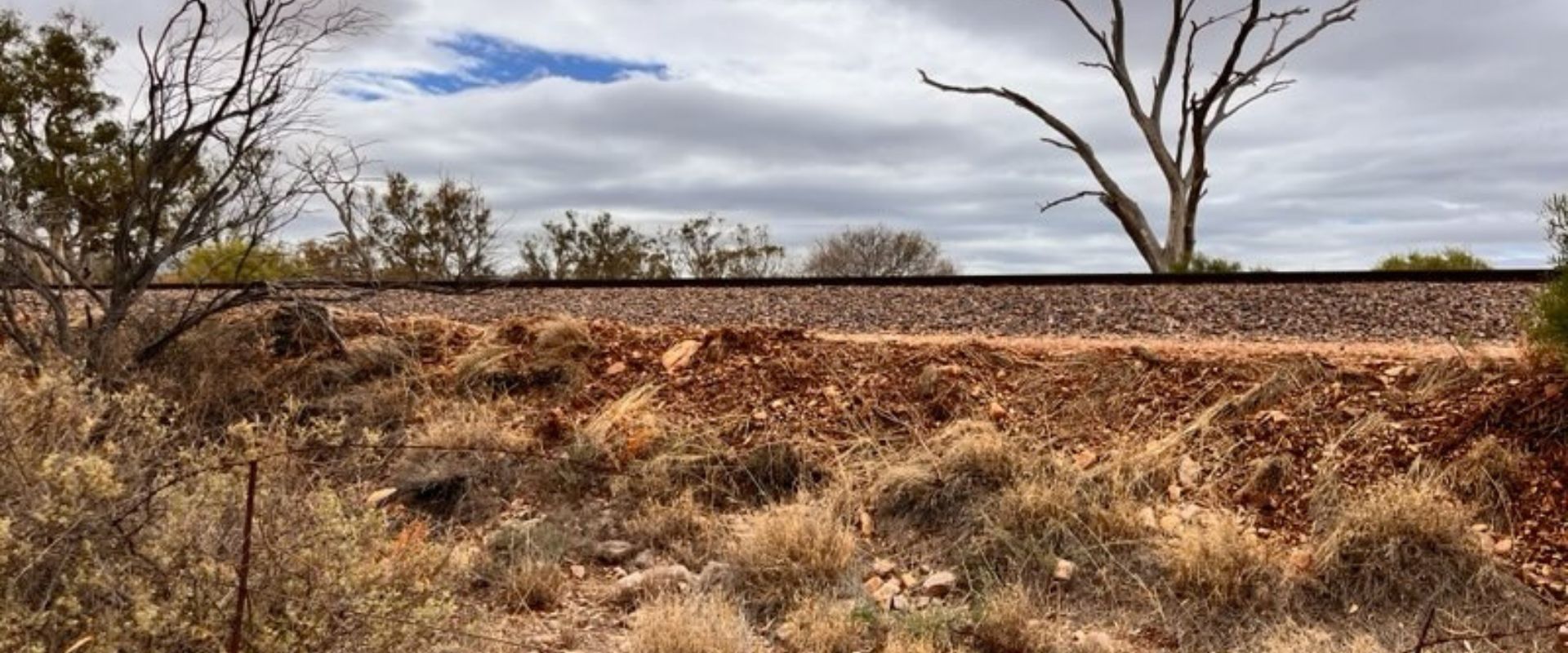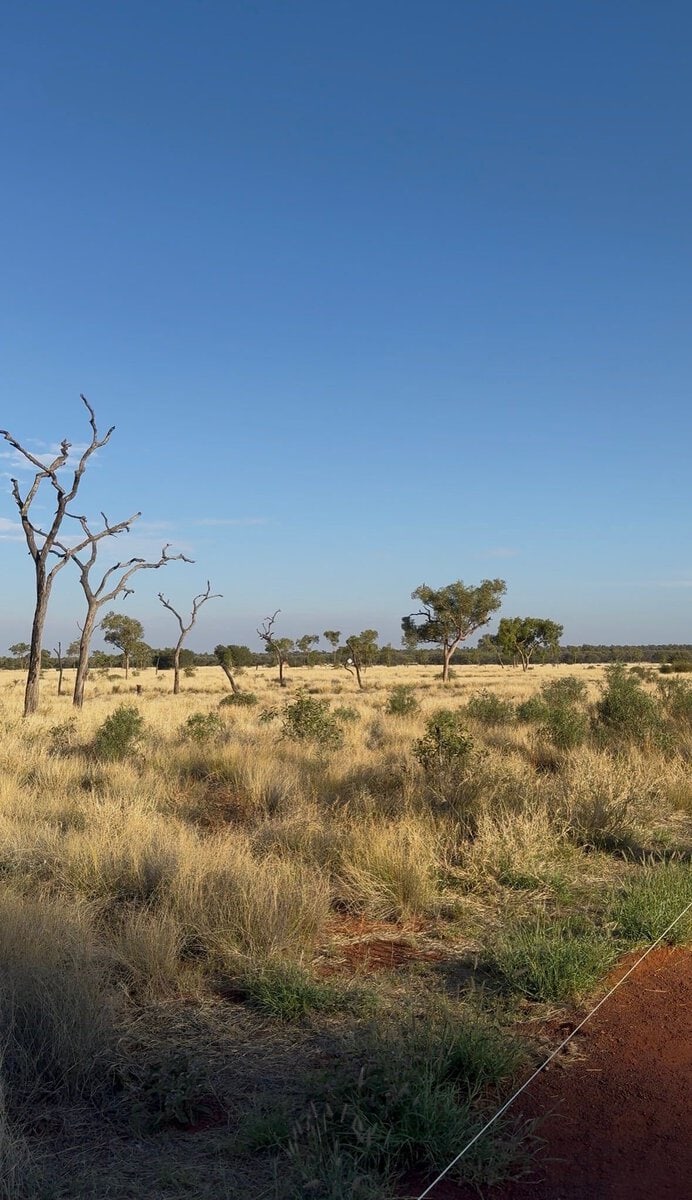
Recent significant rainfall across South Australia has triggered an extensive and dangerous surge of buffel grass, prompting urgent calls for the state government to release its long-delayed government-wide strategy and commit to a $2 million per year, multi-year plan.
Buffel grass burns hotter, faster, and more frequently than native grasses, threatening lives, infrastructure, and culturally significant areas. The green growth now is next bushfire season’s catastrophe.
‘Buffel grass is surging across the state as a result of recent rainfall and our landscapes are rapidly changing before our eyes into buffel monocultures – this surge now is tomorrow’s firestorm in the making,’ the Invasive Species Council Senior Advocate James Johnston said.
‘In late February, I was out in Mambray Creek to see the main front where buffel has spread south. This week, I was sent photos side by side from then to now and was absolutely shocked to see how much the buffel had grown in such a short period of time.
‘Buffel grass is aggressively choking our waterways and sacred sites. Road and rail corridors have become super spreaders, turning our critical transport infrastructure into tinderboxes that warp rail lines and cut off remote communities when they burn.
‘While the South Australian government held a roundtable back in 2024, the government-wide strategy to tackle this crisis is still sitting on a shelf.
‘In the absence of leadership, buffel grass has continued its relentless spread – pushing as far south as Port Pirie and now threatening some of the state’s most productive agricultural land.
‘This is what delay looks like – while reports sit unreleased, invasive species don’t wait – they spread. We have written to the new Environment Minister, Emily Bourke and the Treasurer, Tom Koutsantonis, urging the government to take action.
‘The window to protect the Flinders Ranges, which is currently seeking world heritage listing, is closing.
‘We have the plan; we now need the political will to fund it. In the upcoming state budget, we hope to see the government-wide buffel plan enacted and funded before our desert ecosystems are lost forever.’
The Invasive Species Council is calling for an immediate commitment to the following six-point plan:
- Fund the whole-of-government business case: Provide $2 million per year over 7 years to move from reactive control to proactive eradication.
- Appoint a statewide coordinator: Establish a central authority to synchronise efforts across transport, environment, and emergency service agencies.
- Empower landscape boards: Grant regional boards the specific resources and legal authority needed for strict compliance and enforcement.
- Targeted research investment: Fund the development of new treatments and tech-driven strategies to tackle established infestations.
- National advocacy: Secure the listing of buffel grass as a Weed of National Significance (WoNS) and push for a federal threat abatement plan.
- Drive behavioural change: Launch statewide educational campaigns to prevent travelers and the industry from unknowingly transporting seeds.
Media inquiries: (02) 8006 5004
Before and after photos are available here.
Related Content