Rewilding is often a story of decades-long persistence in the face of adversity, and our recent experience trapping southern brown bandicoots at Booderee National Park is a testament to that. In autumn of this year, the Invasive Species Council’s Rewilding Australia team joined forces with Parks Australia’s Natural Resource Management section and researchers from the Australian National University for a critical population census.
This wasn’t just a routine survey; it was the most significant monitoring effort since southern brown bandicoots were reintroduced to Jervis Bay in 2016 after being locally extinct for perhaps as long as a century. Our goal was to assess the population’s health and collect genetic samples to determine how much supplementation is needed to ensure long-term genetic integrity.
The slog: life in the field
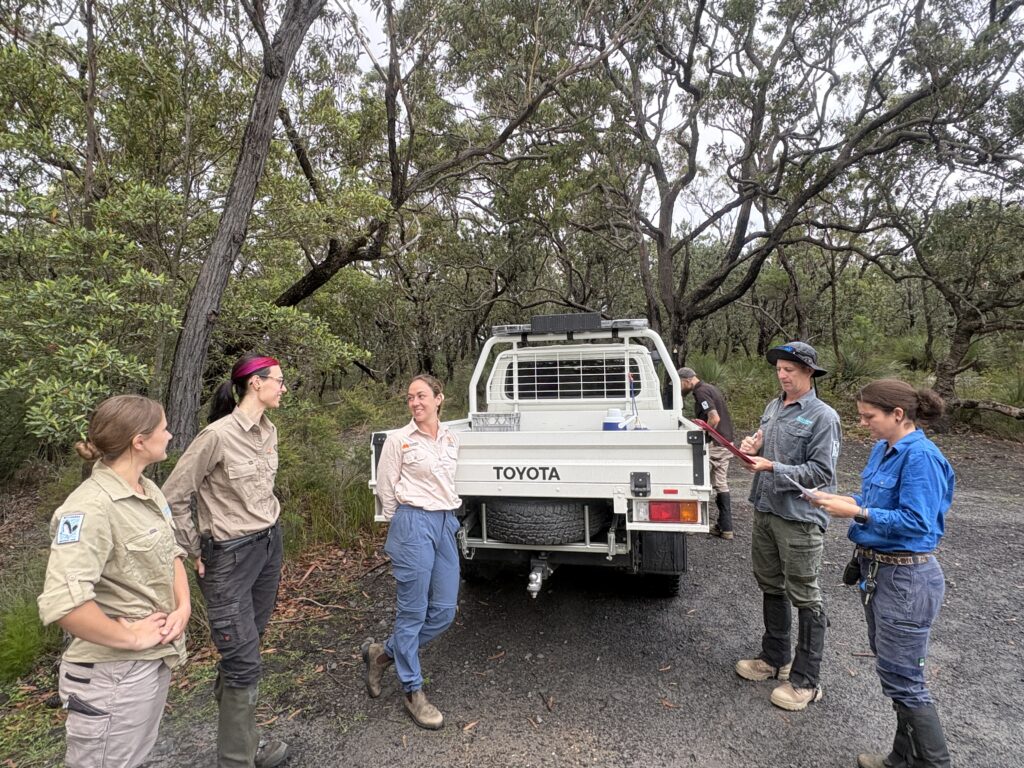
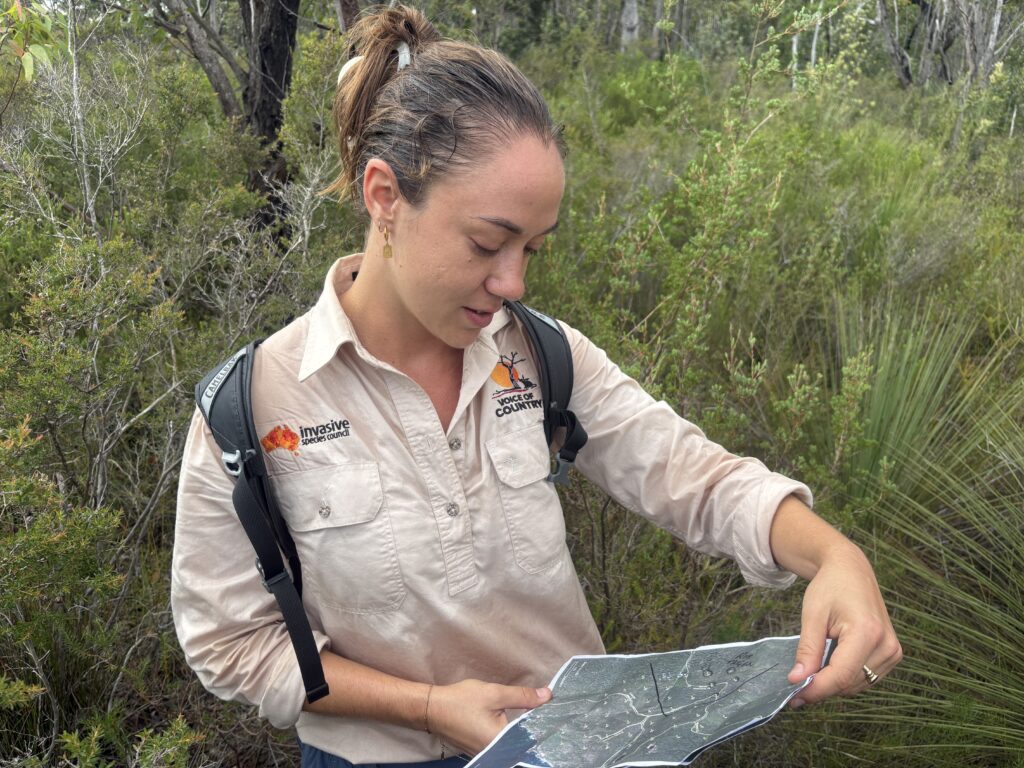
The week was a long physical slog through some of the most challenging terrain Booderee has to offer. Our team, including Francesca Roncolato, Taigen Ryan, Piper Lewis, and Mattea Kelly, were up before the sun each day to check traps and process and bandicoots that we had managed to trap
The work was gritty. We spent our mornings bashing through wet, dense scrub and navigating swamp interfaces. We utilised a mix of 120 mechanical pull-mechanism traps provided by Booderee and a series of treadle plate traps brought in by the ISC. To keep our data organised, we used the Fulcrum app to record everything from capture details to whether traps were found open or closed.
A fantastic result
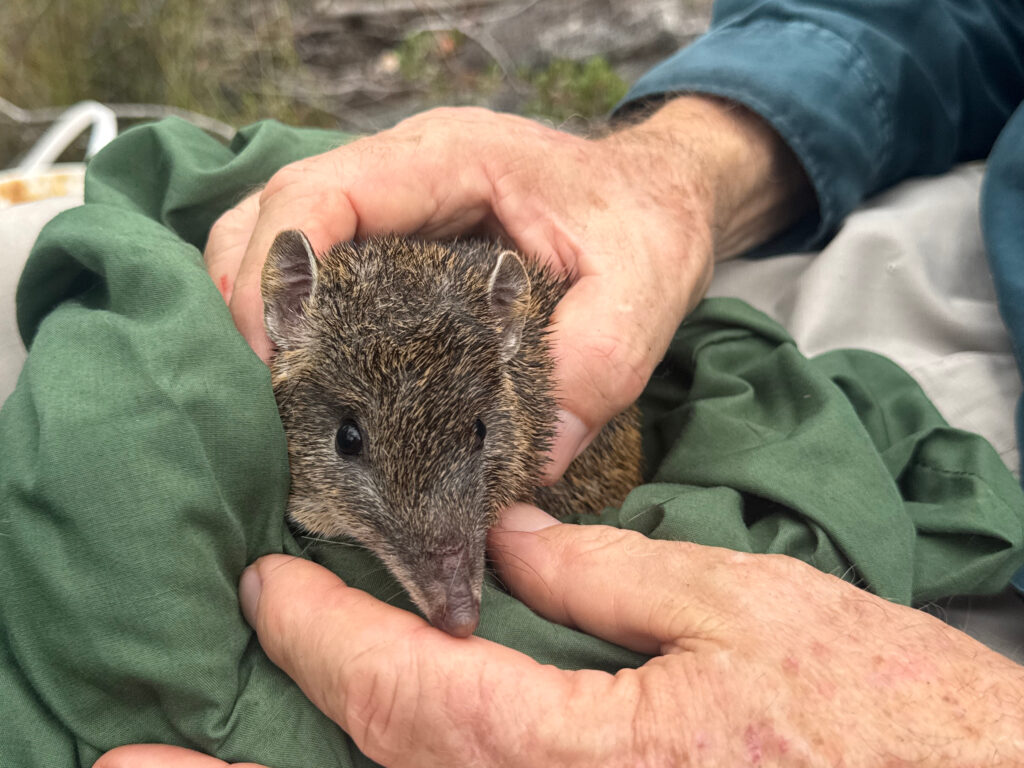
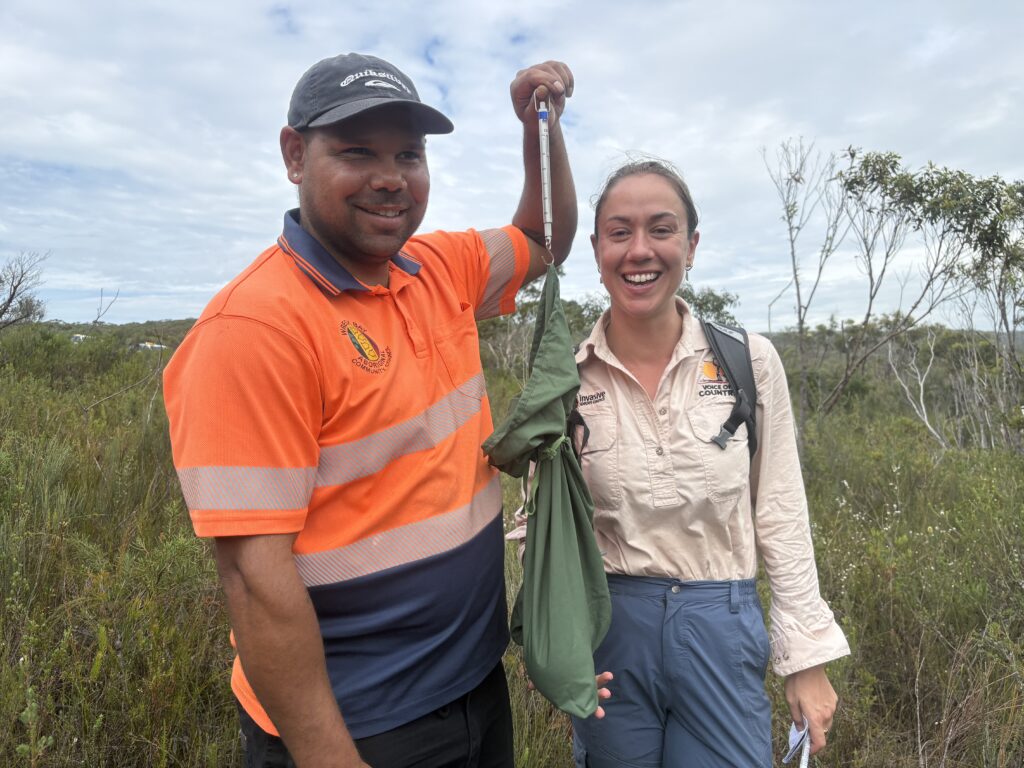
Despite the tough conditions, the results were exhilarating. On the very first day, we secured eight captures. By the end of the week, we had processed a total of 18 southern brown bandicoots. At the end of week two, we had captured and given thorough health checks to 30 southern brown bandicoots. One notable highlight was the capture of a tiny 135g male SBB, an encouraging sign of continued recent breeding within the park.
Dion Maple, the Country and Conservation Manager at Booderee, aptly described it as a ‘fantastic result’. These findings are particularly significant given that wild southern brown bandicoot populations in other parts of New South Wales and Victoria have recently experienced dramatic crashes, likely due to dry winters and predation by foxes and cats. The result was also welcome because Booderee’s very own southern brown bandicoots had also experienced adversity – including a significant drought following their release, and a bushfire that had travelled straight through the middle of the reintroduction site as they were in the early establishment phase.
Why Booderee is different
You might wonder why southern brown bandicoots appear to be thriving here while struggling in so many other places. It comes down to two key factors: habitat and fox management. Booderee’s incredibly dense coastal heath provides vital cover for these vulnerable marsupials. Crucially, this is paired with rigorous, ongoing fox management using 1080 fox-off baits. Unlike their cousins, the long-nosed bandicoots, southern browns are famously passive when captured—a personality trait that makes them extremely vulnerable to foxes. The Booderee project has conclusively demonstrated the level of predator control required to allow this species to persist in a coastal heath landscape, providing a blueprint for southern brown bandicoot rewilding efforts across other parts of Australia.
Looking ahead: genetic boosts and Indigenous management
While the current population is robust, we are not resting on our laurels. Genetic diversity is the key to long-term survival. We are already planning to supplement the Booderee population with additional southern brown bandicoots from insurance breeding programs. We expect to begin transferring these new genetics once we’ve completed an analysis of genetic samples we collected from Booderee and from animals from the insurance breeding program.
Our work at Booderee also coincides with a historic transition toward sole Indigenous management of the National Park. A major part of our mission is supporting the local community in continuing science-based wildlife management during this transition.
Trapping southern brown bandicoots is more than just a scientific exercise; it’s about restoring cultural heritage. Archaeological records show that southern brown bandicoots were once among the most abundant species in the Jervis Bay area, and their remains have been found in midden deposits across the headland, demonstrating the importance of this species as a food source to Aboriginal people. Through this partnership between science, conservation groups, and Traditional Owners, we are ensuring a part of this cultural landscape can be restored and maintained for generations to come.
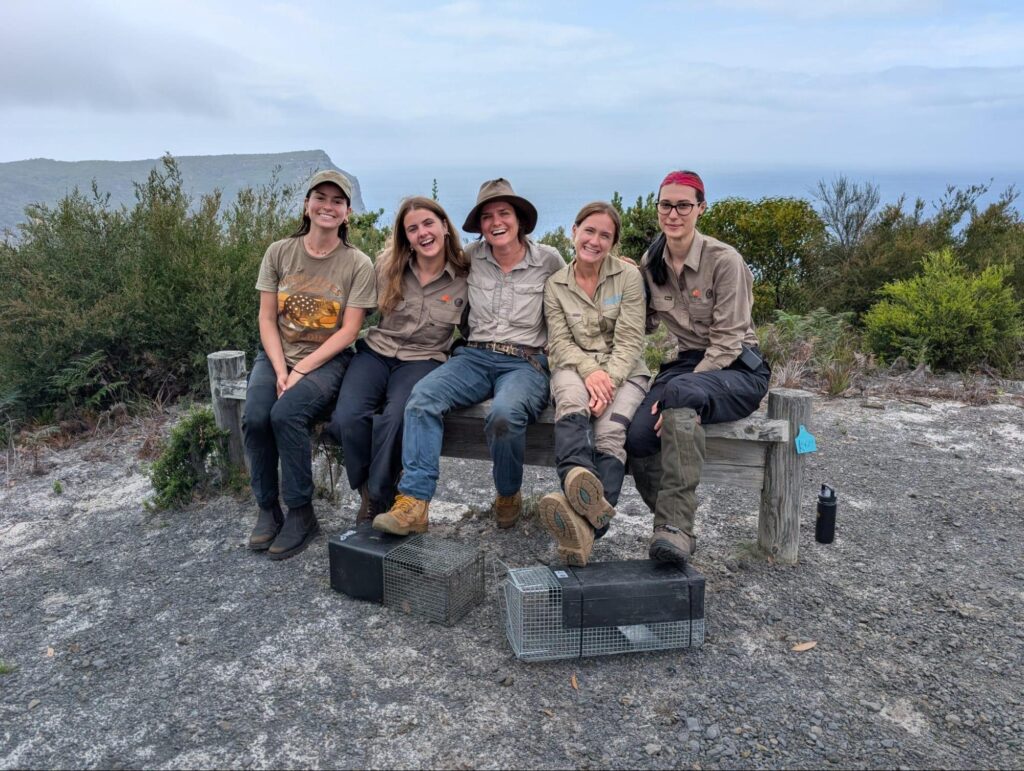
The Invasive Species Council wishes to thank Booderee’s Dion Maple, Kurt King, and Dan Williams for going the extra mile and deploying the traps a week earlier, wired open and baited, to habituate bandicoots to the traps.
Related Content