Because of invasive species, Australia is one of the world’s extinction hotspots. We have suffered by far the greatest loss of mammals, host some of the world’s largest feral animal populations and have the second-highest number of established weed species.
But this damage is not inevitable.
For every invasive species, there is a point at which action can prevent or dramatically reduce the harm it causes. This is captured by the invasion curve – which illustrates a simple principle that the options available to us change as an invasive species establishes and spreads.
The earlier we act, the cheaper and more effective our response can be. Preventing a harmful species from entering Australia is our strongest defence. If one does arrive, rapid detection and eradication can stop an invasion before it takes hold. As an invasive species becomes more established, the options narrow and the costs rise – from eradication, to containment, and eventually to permanent management of its impacts.
We need concerted action at every stage of the invasion curve: preventing high-risk species from arriving, strengthening our border defences, detecting and eradicating new invaders quickly, containing species before they spread further, and reducing the impacts of those already widespread.
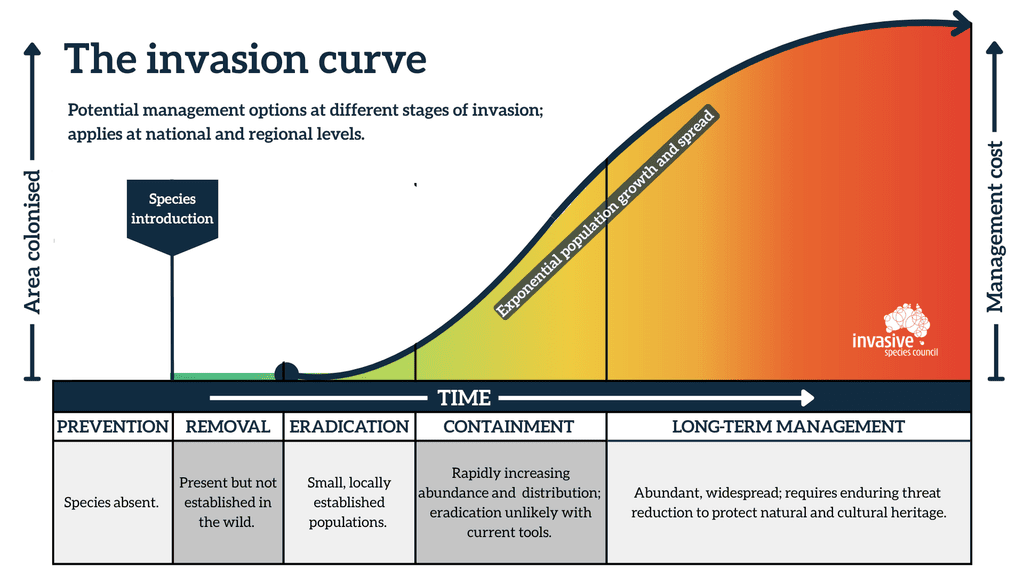
The 5 stages of invasion and biosecurity responses:
1. Prevention – keeping a species out altogether
In the prevention stage, the species is absent. This is the cheapest, most effective stage there is, because keeping an invasive species out means there’s no infestation to fight, no native species to lose, and no decades-long cleanup bill to pay. However, it’s also the stage governments underfund the most, because a threat that never arrives is easy to forget about, right up until it does.
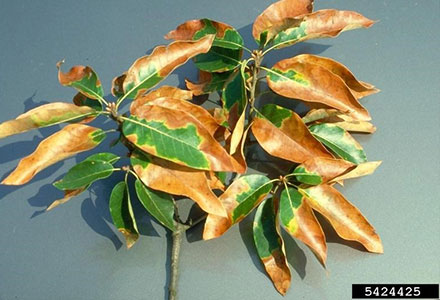
For example: Xylella is a bacterial disease that causes scorched leaves, stunted shoots, and the death of many types of plants. This is a notorious agricultural and environmental threat that Australia has managed to keep out through biosecurity and border import controls.
2. Removal – detecting a species before it takes hold:
In the prevention stage, the species is absent. This is the cheapest, most effective stage there is, because keeping an invasive species out means there’s no infestation to fight, no native species to lose, and no decades-long cleanup bill to pay. However, it’s also the stage governments underfund the most, because a threat that never arrives is easy to forget about, right up until it does.
For example, Mexican feather grass: Back in 2008, this invasive weed was found on sale in Queensland nurseries, and sold widely. This triggered a nationwide search to track down and destroy the grass, including eradicating it from properties in Tamworth and the ACT, where it was already escaping people’s gardens.
3. Eradication – wiping out small, established populations:
In the eradication stage, a new species has established itself, but only in small, localised populations. If defected early and caught at this stage, full eradication is still an achievable and realistic goal. However, this window closes quickly, and if left for too long, a species could tip into the next stage and become a permanent, multi-billion-dollar problems.
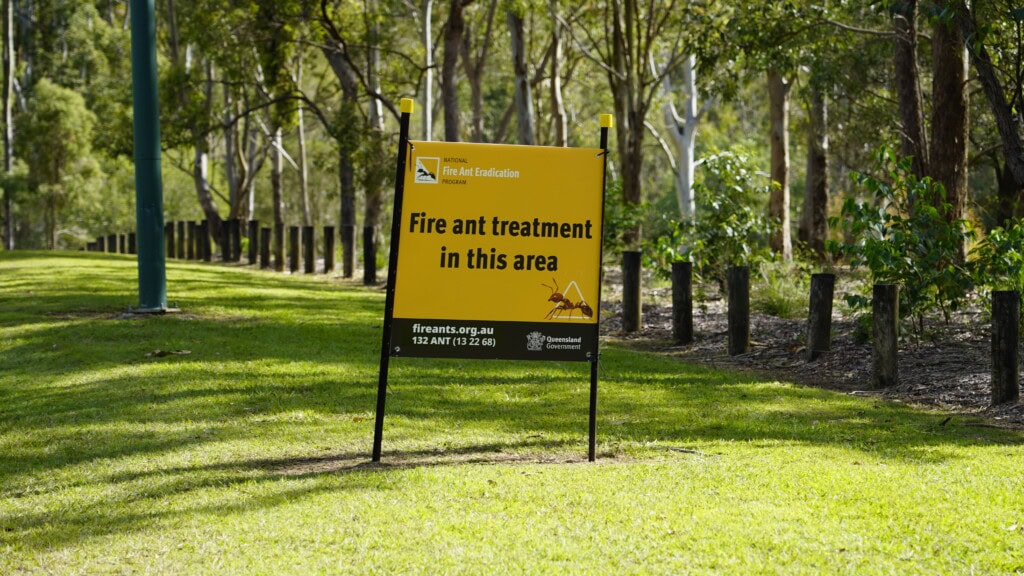
For example: the central Queensland fire ant breach. In July 2025, fire ants turned up 700km outside any known containment zone, after hitching a ride on contaminated bricks. But because it was caught early and hit hard, the outbreak was declared clear in 2026 with no new nests detected.
4. Containment – stopping it from going further:
In the containment stage, the species is increasing rapidly, both in population numbers and geographic spread. Once here, eradication is no longer realistic with today’s tools. Drawing a hard boundary around the infestation zone and limiting it from spreading to the rest of the country is our next best hope. While this doesn’t undo the damage already done, it can help protect everywhere else.
For example: red imported fire ants across south-east Queensland and northern NSW. Most of Australia’s fire ant infestation is localised to south-east Queensland. Under the national program, total eradication is still possible, but the core infestation zone is large and entrenched, so a big part of the day-to-day fight is containment. This includes biosecurity zones and strict controls on moving soil, mulch, turf, hay and quarrying material out of the affected area. This is what’s actively stopping the fire ant infestation from having a second, third and fourth front right now.
5. Long-term management – living with the damage:
This is where most of Australia’s worst invasive species already sit: abundant and widespread, with no total removal options left. Here, the job becomes enduring threat reduction, and protecting what natural and cultural heritage we still can. This is the most expensive stage, the least effective, and the one we’re stuck funding forever once a species gets this far into the Australian landscape.
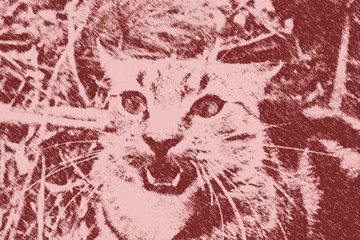
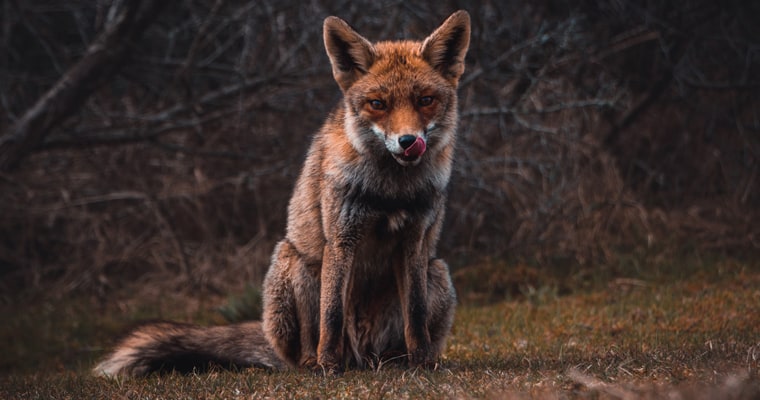
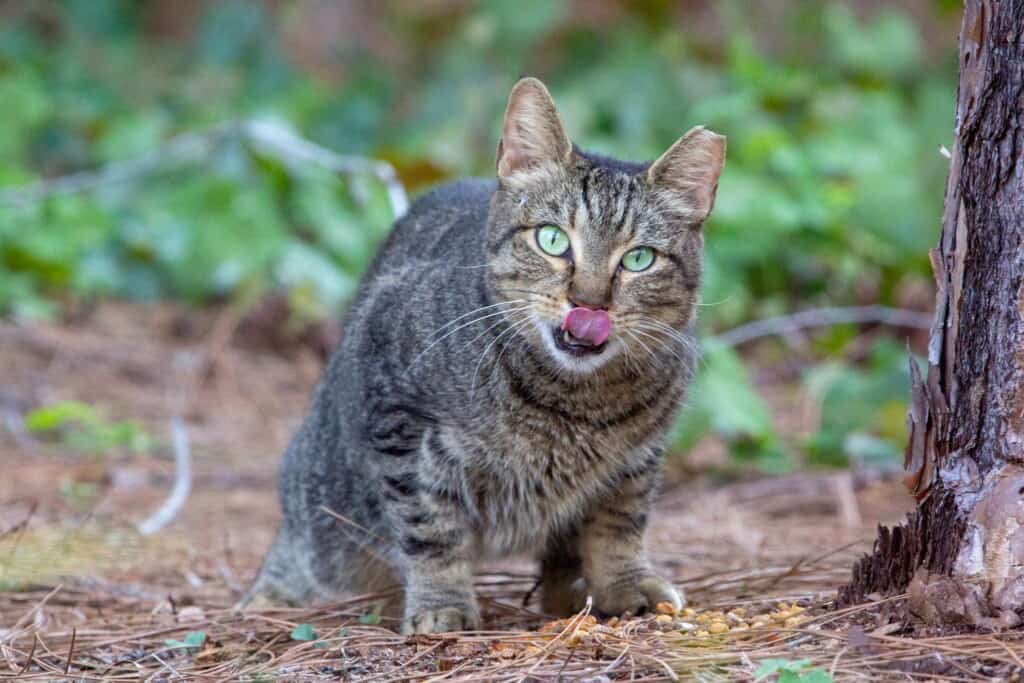
For example: feral cats. With an estimated population in the millions across almost all of the Australian mainland, total eradication of feral cats is off the table entirely. Management here means ongoing, indefinite suppression: baiting and trapping programs, predator-proof fenced havens, island eradications, and continuous funding with no end date. Foxes and cane toads sit in the same basket: too widespread to remove, so we end up in a fight without a finish line.
Why this matters:
The cost curve is brutal: the further right a species sits on the invasion curve, the more it costs to manage and the less that spending achieves. Every day we hesitate is a day closer to losing the cheaper, safer and more effective options altogether.
This is exactly why the Invasive Species Council exists: to push governments to act on the left-hand side of this curve, before more wildlife extinctions become the default outcome, and before another invasive species tips into a threat we’re stuck fighting forever.
The Invasive Species Council is 100% independent and committed to saving wildlife, stopping extinctions and protecting nature. We couldn’t do this work without the generosity of our supporters. If you’d like to see us continue, consider making a donation here.
Related Content