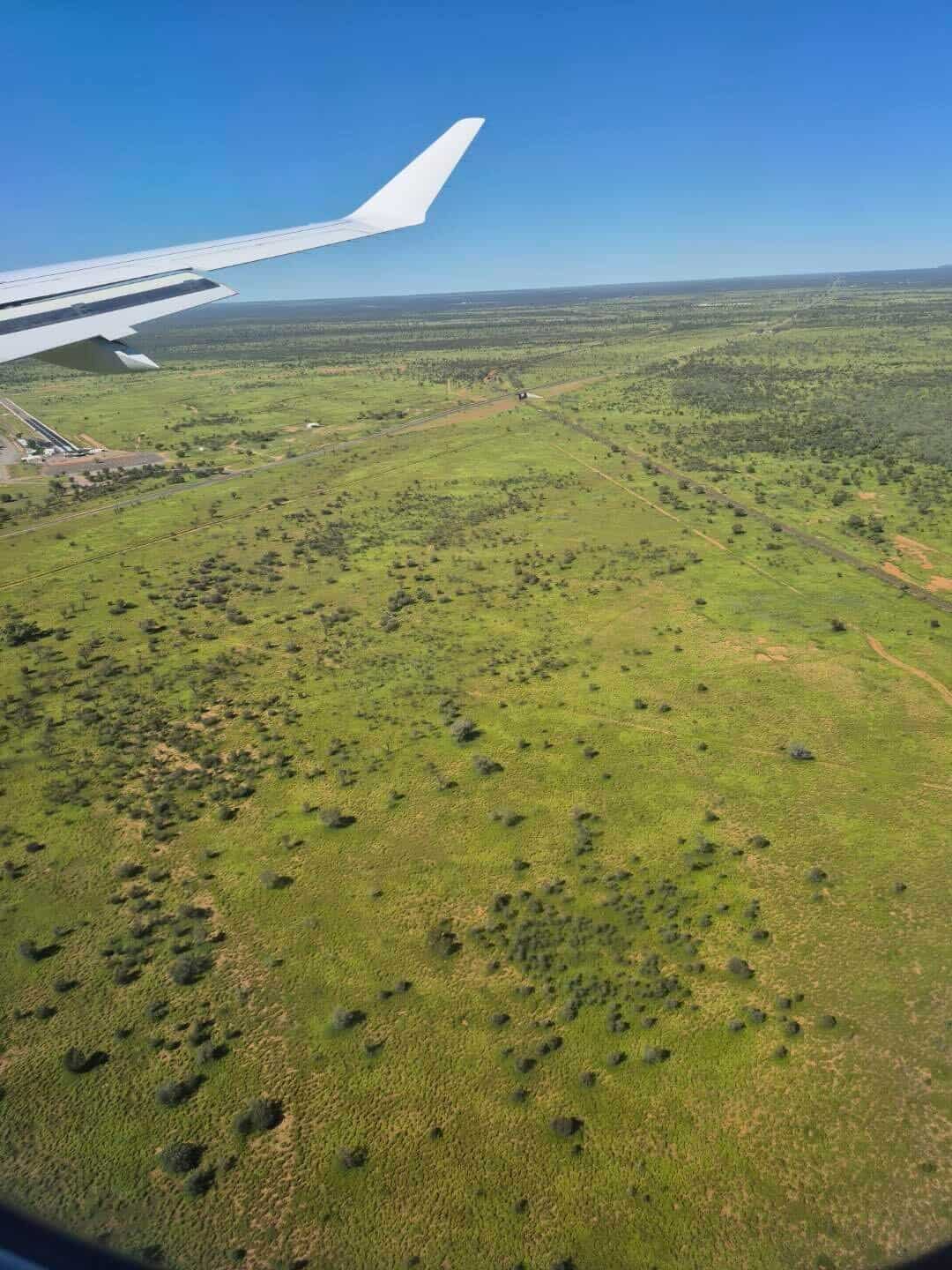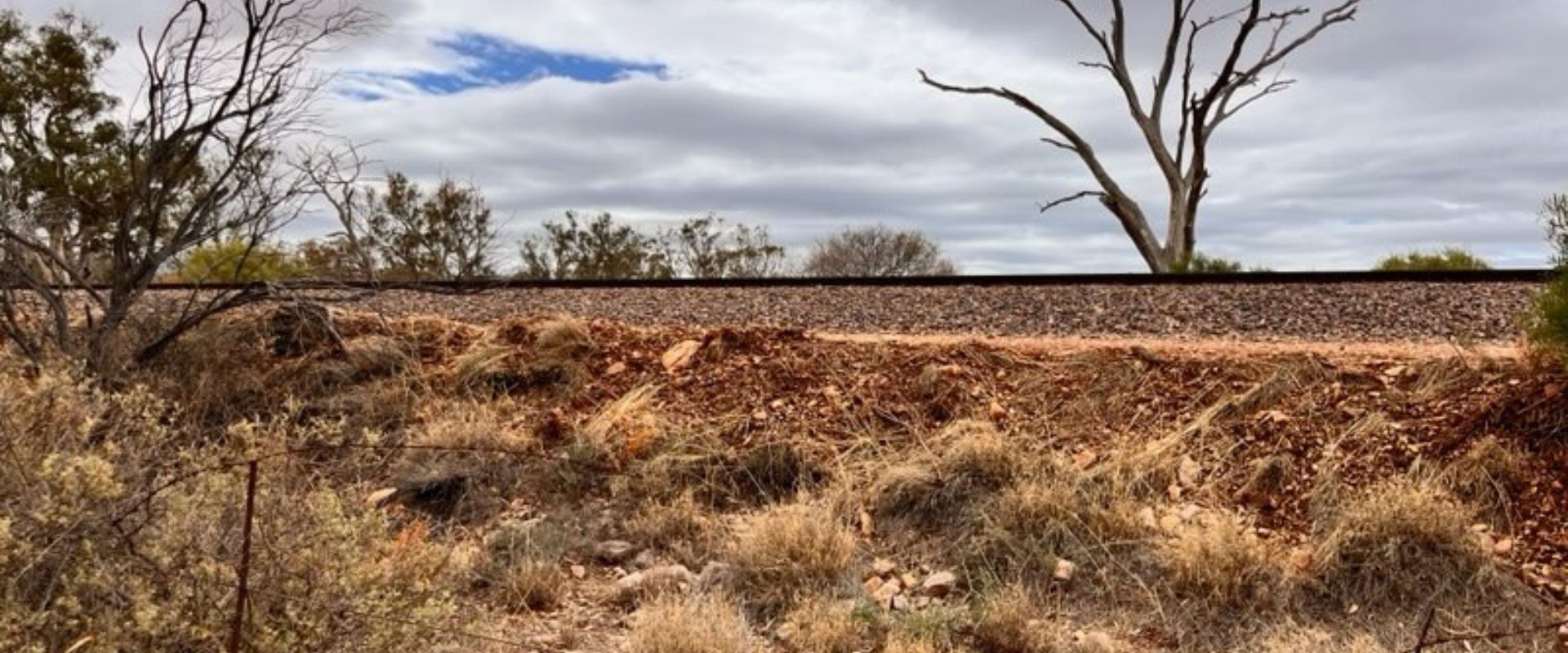
The Invasive Species Council says the National Biosecurity Committee’s decision to block buffel grass (Cenchrus ciliaris) from becoming a Weed of National Significance (WoNS) exposes a failure in Australia’s biosecurity system, with vested interests taking precedence over overwhelming scientific evidence of the damage this invasive weed is inflicting on Country, native wildlife and communities.
The Council is calling on the Albanese Government to intervene and establish a federal inquiry into Australia’s failure to adequately respond to this growing crisis.
‘This is an appalling failure of national biosecurity leadership. Buffel grass is fundamentally transforming vast landscapes of Australia, fuelling more frequent and intense fires, choking out native plants, destroying habitat and threatening culturally significant places,’ Invasive Species Council Voice of Country Lead Taigen Ryan said.
‘To undertake further consideration of this issue, acknowledge its significant environmental and cultural impacts, and ultimately decide not to progress a national priority because consensus could not be reached is deeply concerning.
‘National biosecurity priorities should be informed by the scale of the threat and the evidence of harm. They should not be determined by whether every stakeholder agrees that a problem exists.
‘While we recognise the different interests and perspectives surrounding buffel grass, those differences cannot continue to come at the expense of Country, communities and the environments we are responsible for protecting.
‘For communities living with buffel grass, this decision simply doesn’t pass the pub test.
‘If existing government processes are unable to deal with a threat of this scale because of a consensus veto, then decision-makers in Canberra need to take action. This is a cross-portfolio crisis impacting biosecurity, emergency services, regional infrastructure, First Nations heritage and native wildlife – and it requires national leadership that puts the public interest first.’
The Invasive Species Council is calling on the Albanese Government to:
- Establish a federal inquiry into the impacts of buffel grass and the adequacy of Australia’s response.
- Develop a nationally coordinated response to buffel grass, with clear responsibilities across all jurisdictions.
- Commit sustained funding for containment, strategic control, restoration and research.
- Use the forthcoming Key Threatening Process assessment to drive meaningful national action.
The Council acknowledges the National Biosecurity Committee’s recognition that further action is needed, including referral of the assessment to environmental, Indigenous and other relevant government agencies and continued work with partners on containment and management.
However, it warns that without clear national leadership, agreed responsibilities, sustained investment and measurable targets, these commitments risk becoming another fragmented response to a problem that requires urgent and coordinated action.
Background:
- Buffel grass (Cenchrus ciliaris) is a highly invasive, deep-rooted perennial grass that acts as an ecosystem transformer, burning with unprecedented heat (up to 300°C hotter than native grass fires) that kills native trees and desert vegetation.
- A Northern Territory government-commissioned economic assessment has found the costs of allowing buffel grass to spread are around 60 times greater than the benefits, adding further weight to calls for a strong, nationally coordinated response to one of Australia’s most damaging invasive species.
- Buffel grass has become one of the most significant invasive plant threats across Australia’s arid and semi-arid regions. Its capacity to form dense, continuous fuel loads can fundamentally alter fire regimes, placing native ecosystems, threatened species, cultural landscapes, infrastructure and communities at risk.
- For First Nations communities, these impacts extend beyond ecological damage. Buffel grass can threaten culturally significant plants, diminish access to traditional foods and medicines, alter the condition of cultural landscapes and compromise the ability of Traditional Owners to care for Country.
- A separate statutory assessment of buffel grass by the Threatened Species Scientific Committee for potential listing as a Key Threatening Process under the Environment Protection and Biodiversity Conservation Act 1999, is ongoing with advice due to the Environment Minister by 30 April 2027.
Related Content