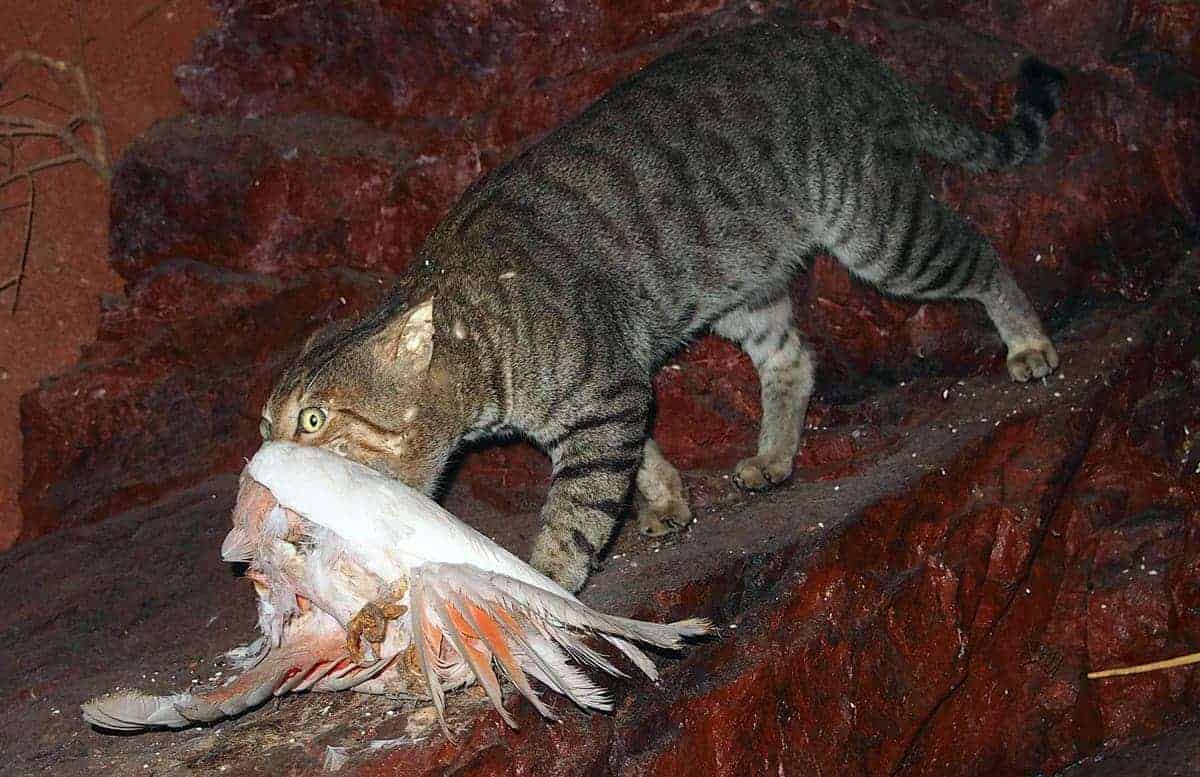
Some of Australia’s most precious places are imperilled by inaction on threatening processes. For example, the corals reefs of the Great Barrier Reef Marine Park are threatened by nutrient-rich run-off, the sensitive alpine vegetation of the Tasmanian Wilderness World Heritage Area is threatened by invasive deer, the rich cultural and ecological values of Uluru-Kata Tjuta National Park are under siege by fire-promoting buffel grass, and the watersheds of the Kosciuszko National Park are being trashed, trampled and polluted by feral horses.
As these examples demonstrate, the greatest dangers to Matters of National Environmental Significance (MNES) are often not from specific, new developments, but from the systematic failure to manage existing, pervasive threats.
The draft National Environmental Standard on Matters of National Environmental Significance (MNES Standard) represents a critical, yet currently missed, opportunity to address the systematic failures driving the destruction of Australia’s most precious natural and cultural heritage.
National environmental standards offer a crucial opportunity to set clear management expectations, including for the management of key threats like invasive species, for spatially defined MNES like World Heritage properties, National Heritage places, and Ramsar wetlands, in line with Australia’s international obligations. They also offer a chance to provide missing guidance on threat management within other spatially defined areas such as bioregional plans.
Related Content