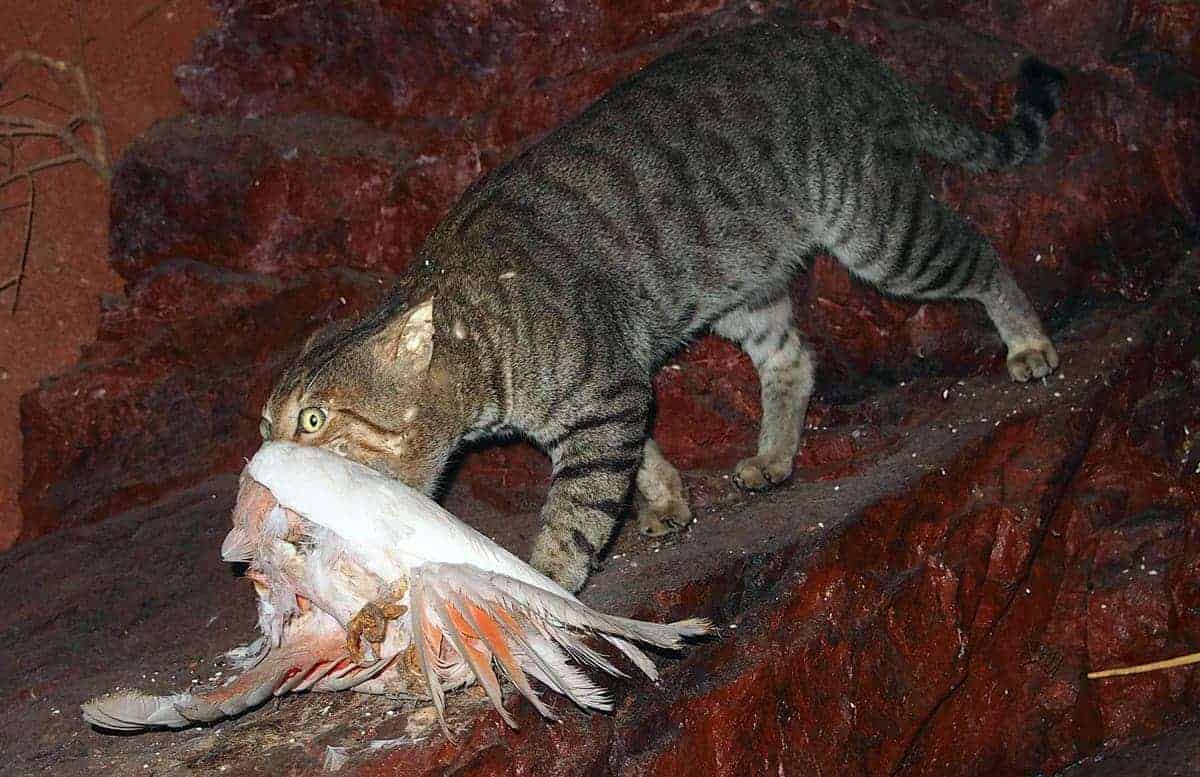
Australia is overrun by invasive species that hunt, trample, disease and outcompete native wildlife. They
degrade ecosystems, erode Indigenous culture, cost farmers many billions of dollars a year, sabotage climate
goals by fueling intense fires, endanger public health, and damage the environmental values underpinning
our nature tourism industry. The annual measurable cost of invasive species already exceeds $24.5 billion (a
CSIRO compilation of published costs).
The policy and program proposals in this submission would deliver benefits that prevent or mitigate the impacts of invasive species – a primary driver of habitat destruction and biodiversity decline. They will drive a new methodical, collaborative, ambitious approach on a key threat to nature – while delivering enormous benefits for people. They will ensure a better standard of living for current and future generations.
Some threats, like fire ants, would mean painful, sometimes deadly, encounters with stinging swarms; dead pets; billions in annual costs. Eradicating them should therefore be a standard-of-living, sustainability and productivity imperative for multiple government agencies. The same is true for rabbits, which will ravage landscapes and farm incomes unless we re-invest in biocontrol efficacy.
Nothing could be more progressive and patriotic than saving Australian wildlife from extinction and protecting precious places such as national parks and islands from exotic invaders. To improve our capacity to do all this, we need to invest in Australians’ talent for solving difficult problems by supporting collaborative and ambitious innovation from lab to landscape.
This submission responds to the Senate Select Committee on Productivity in Australia’s invitation for: Evidence on how strategic productivity growth and other policy measures can drive productivity in the environment sector and related industries such as agriculture, forestry and fishing, and mining… [including] identifying avenues to reduce red and green tape and encourage private investment with respect to environmental policy and projects, including environmental sustainability.
The committee discussion paper rightly canvasses difficulties in measuring productivity particularly for the ‘non-market sector’. However it does not consider environmental productivity measures – a common yet fundamental gap in ensuring sustainable productivity over the long term.
Some proposals build on existing programs of proven effectiveness – long term funding for the flagship Saving Native Species program, enhancing and restoring the Supporting Communities Manage Pest Animals and Weeds Program. Others propose new programs, recognising that environmental spending, including on invasive species, has been far too low for far too long.
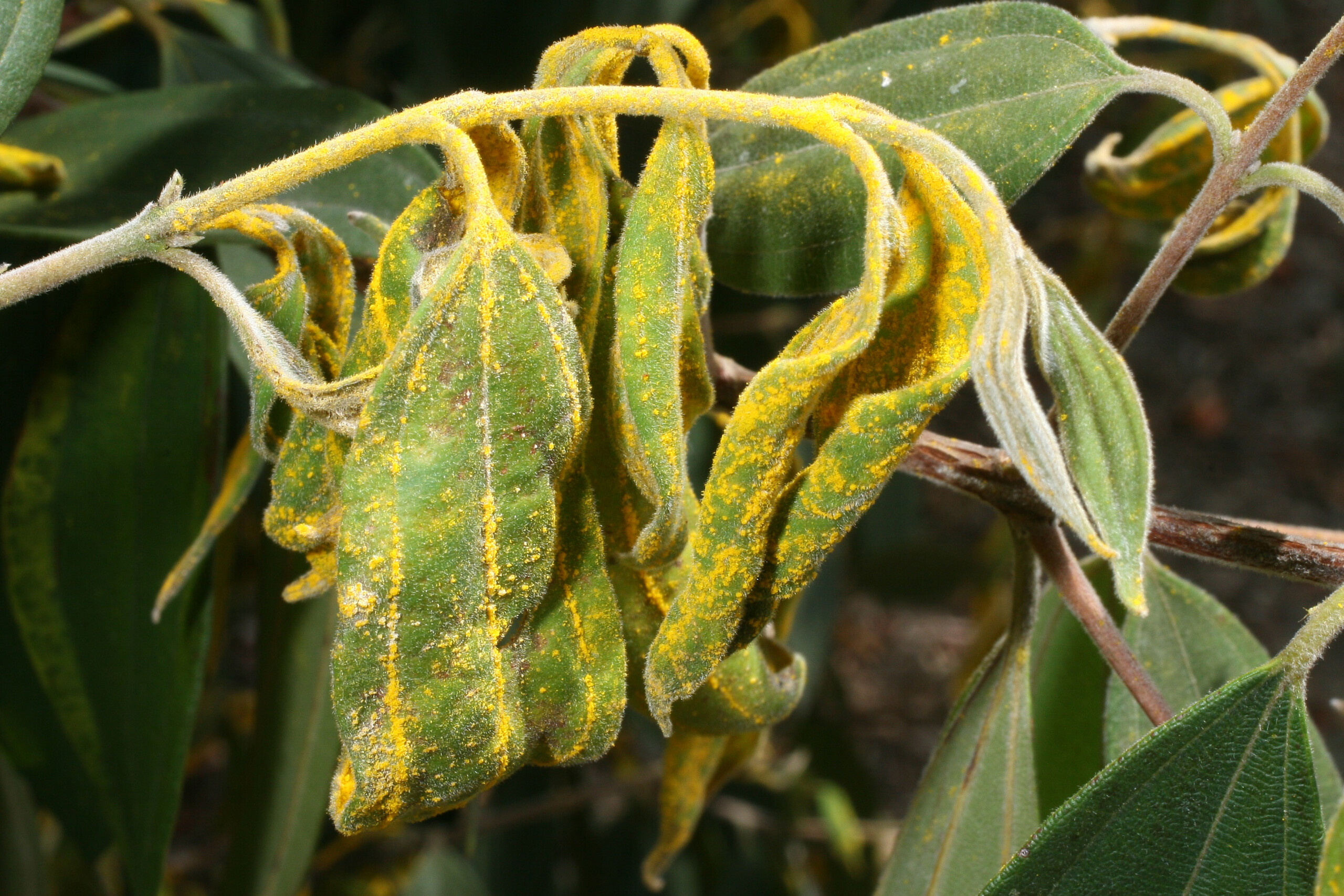


The policy and program proposals in this submission would deliver benefits that prevent or mitigate the impacts of invasive species – a primary driver of habitat destruction and biodiversity decline. They will drive a new methodical, collaborative, ambitious approach on a key threat to nature – while delivering enormous benefits for people. They will ensure a better standard of living for current and future generations.
Some threats, like fire ants, would mean painful, sometimes deadly, encounters with stinging swarms; dead pets; billions in annual costs. Eradicating them should therefore be a standard-of-living, sustainability and productivity imperative for multiple government agencies. The same is true for rabbits, which will ravage landscapes and farm incomes unless we re-invest in biocontrol efficacy.
Nothing could be more progressive and patriotic than saving Australian wildlife from extinction and protecting precious places such as national parks and islands from exotic invaders. To improve our capacity to do all this, we need to invest in Australians’ talent for solving difficult problems by supporting collaborative and ambitious innovation from lab to landscape.
This submission responds to the Senate Select Committee on Productivity in Australia’s invitation for: Evidence on how strategic productivity growth and other policy measures can drive productivity in the environment sector and related industries such as agriculture, forestry and fishing, and mining… [including] identifying avenues to reduce red and green tape and encourage private investment with respect to environmental policy and projects, including environmental sustainability.
The committee discussion paper rightly canvasses difficulties in measuring productivity particularly for the ‘non-market sector’. However it does not consider environmental productivity measures – a common yet fundamental gap in ensuring sustainable productivity over the long term.
Some proposals build on existing programs of proven effectiveness – long term funding for the flagship Saving Native Species program, enhancing and restoring the Supporting Communities Manage Pest Animals and Weeds Program. Others propose new programs, recognising that environmental spending, including on invasive species, has been far too low for far too long.
Related Content