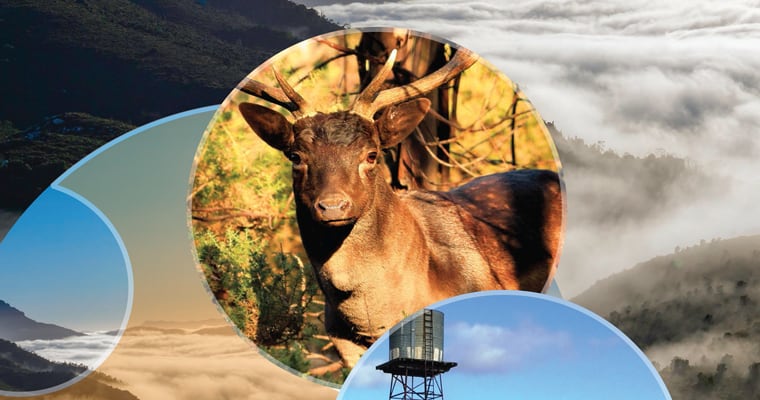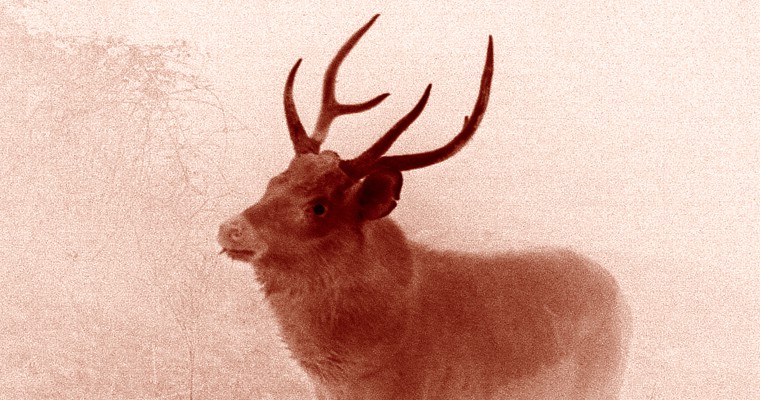
South Australia is on the verge of achieving something no other mainland state has done – the eradication of a well-established invasive vertebrate. More than 28,400 feral deer have already been removed under the state’s nation-leading program, and eradication is now within reach.
But without guaranteed funding to complete the program, that progress risks unravelling. The Invasive Species Council is calling on all parties to commit $2 million per year over four years, seek matching federal funding, and lock in a clear, time-bound plan to finish the job.
‘This election is a moment to eliminate feral deer for good and lock in an environmental legacy that will put South Australia on the map. But if the next government hesitates, the opportunity may not come again,’ Invasive Species Council Senior Advocate James Johnston said.
‘You wouldn’t build half a bridge – and I hope we don’t end up with only half an eradication program.
‘Feral deer are one of Australia’s worst emerging pests; trashing, trampling and polluting landscapes across the state, threatening our environment and costing farmers millions in lost production and infrastructure damage.
‘South Australia is leading the nation on feral deer management and this eradication effort isn’t just a local project, it’s a national roadmap – showing what’s possible when ambition, expertise, funding and community support come together.
‘In Victoria and New South Wales, deer populations have exploded into the hundreds of thousands, causing widespread agricultural damage, environmental degradation and road safety risks. South Australia still has a critical window to prevent that outcome.
‘We are calling on the Labor Premier Malinauskas and Leader of the Opposition, Ashton Hurn, and all major parties contesting this election, to commit to this, to ensure whoever wins on March 21 will get the job done.
‘This is a legacy decision for whoever wins the next election and whether they decide to take it or not is decided now.’
South Australian farmer Robyn Smith, a sixth-generation landholder, said feral deer had steadily worsened over the past decade.
‘We’ve had deer on and off for about 12 years, but in recent years it’s just escalated,’ she said.
‘You’d go to bring the sheep in and there’d be deer in the paddocks. Then they started smashing fences. We were already dealing with kangaroos, but this was different – we were seeing 10 or 20 at a time. You know how quickly that can grow.
‘They’re in the vineyards destroying trellis and vines. They rip through fencing. We’ve had nets worth thousands of dollars torn and ruined. It’s not just the cost of replacing them – it’s the lost time as well.’
She said an aerial cull removed more than two dozen deer from their property, but warned the job is not finished.
‘The Landscape board’s program has been fantastic – coordinated, practical and it’s made a real difference. But there are still deer out there,’ Smith said.
‘A one-off shoot won’t solve this. If these programs don’t keep going, they’ll build back up again.’
The Invasive Species Council’s full blueprint for the incoming state government can be found here.
Media inquiries: (02) 8006 5004
Photo: Lee Williams.
Related Content