Farmers, conservationists and community advocates have formed a new alliance to push for action on invasive species ahead of the November Victorian election, warning government cuts to frontline programs have left the state dangerously exposed to exploding pest populations.
New polling also released today shows just 13 per cent of Victorians believe the state government is managing invasive species well, with reports of growing feral deer, rabbit and weeds infestations across the state.
As its first action, the group has released a joint statement calling for urgent reform to tackle Victoria’s exploding feral deer population.
‘Invasive species are spreading across Victoria, but the response from the government is only going backwards,’ Invasive Species Council CEO Jack Gough said.
‘Funding to manage invasive species is a tiny slice of the state budget, but the consequences of cutting it will be enormous. Saving a dollar here will cost the state 10.
‘When just 11 per cent of people think the government is managing invasive species well, that should be a wake-up call.
‘Deer, weeds, rabbits and feral cats are surging across the state while funding and frontline staff are being cut.
‘That’s why farmers, conservationists and community advocates have come together – because we’re fed up with watching invasive species spread across the environment, farms and communities – while the resources needed to tackle this crisis are drained.’
Environment Victoria CEO Jono La Nauze said:
‘As a society, we unleashed invasive species on the environment and now we have to take responsibility for the devastation they have driven.
‘Across Victoria, we’re seeing invasive plants and animals degrading forests, rivers and grasslands, while also damaging farms and putting pressure on rural communities.
‘The science on invasive species is clear – if we want to protect nature, we need sustained investment, coordinated action and people on the ground doing the work.’
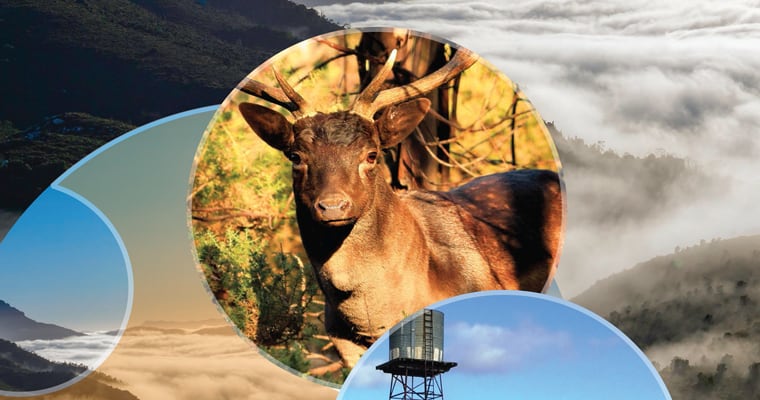
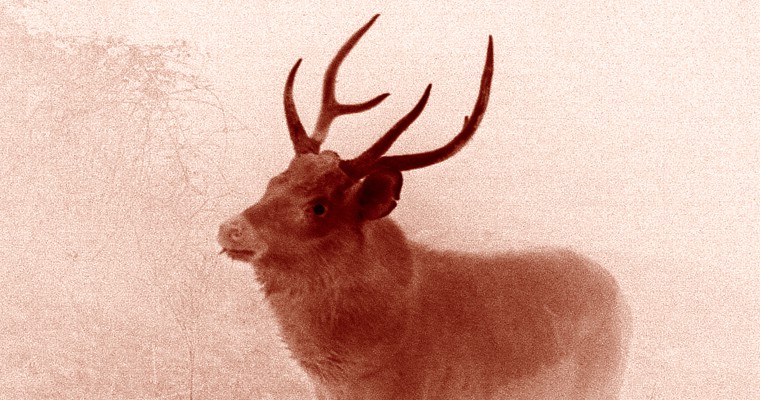
Victorian Farmers Federation President, Brett Hosking, said the alliance’s first focus would be Victoria’s rapidly expanding feral deer population.
‘Feral deer wreak havoc on crops and pasture, smash fencing and destroy orchards and vineyards, leaving farmers to pick up a costly bill.
‘They pose a serious biosecurity risk to our multi-billion dollar agriculture industry.
‘It beggars belief that these destructive animals are still legally classified as protected wildlife species, even though they are an introduced animal.
‘It’s overdue that the Victorian government treated this as a biosecurity issue and not a wildlife management issue.’
The alliance is calling on the Victorian government to:
• Fully fund and implement the Victorian Deer Control Strategy
• Remove the regulatory barrier created by the Wildlife Act
• Commit to eradicating deer in western Victoria while numbers remain low
• Restore funding and frontline capacity to tackle invasive species across the state
The groups say invasive species management will be a key issue in the lead-up to the November Victorian election, with the alliance planning further joint actions focused on weeds, rabbits, feral cats and other emerging threats.
Media inquiries: (02) 8006 5004
Background:
Feral deer in Victoria
- A few deer were released in Victoria 150 years ago for game hunting and over time legislation was developed to support the hunting resource and promote deer in landscape.
- Victoria now has the highest population of feral deer of all Australian states and the highest proportion occupied by feral deer.
New DemosAU polling:
- Only 13% of Victorians think the government is managing invasive species well/very well.
- Most Victorians are unaware feral deer are legally protected. Only 21% of respondents knew feral deer are protected under the Wildlife Act, while 67% were unaware and 12% were unsure.
- Professional culling by trained experts received the highest level of support as a solution to managing feral deer populations.
- Less than one in 10 Victorians oppose any form of active control of feral deer.
- DemosAU surveyed 1,494 Victorian adults about attitudes to feral deer management.
Photo: Steve Morvell.
Related Content