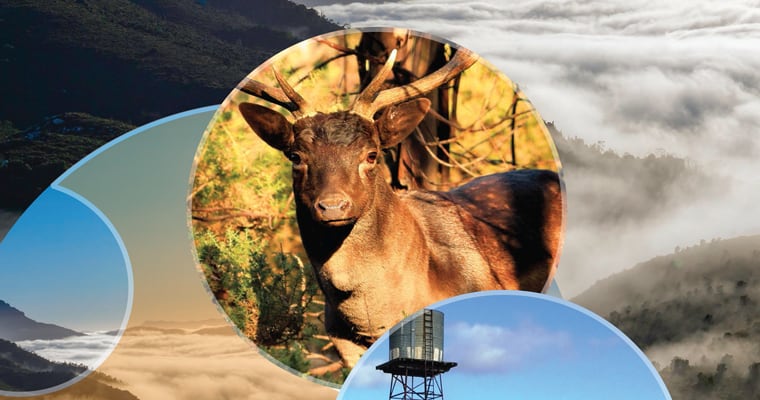
The recent EPBC Act reforms failed to address a threat which has caused more Australian animal extinctions than any other and continues to push hundreds of native species toward extinction: the mega-threat of invasive species. National Environmental Standards (standards) now provide the best opportunity to strengthen EPBC Act processes for preventing and mitigating invasive species threats.
Since colonisation, Australia has averaged >1 extinction every 3 years. Invasive species have been a primary driver (>30% contribution) in about three-quarters of extinctions (Figure 1) – particularly of mammals and frogs. This has continued into modern times, with invasive species a primary driver of at least 20 of 27 probable extinctions since 1960.
Invasives remain the most prevalent significant threat to animals and plants currently threatened with extinction (Figure 2).1 Hundreds of new invasive species, like myrtle rust, jaguar cichlid, freshwater gold clam, polyphagous shot-hole borer, red imported fire ant (under eradication) and parrot bornavirus (unconfirmed), have established in the wild since the EPBC Act commenced. Many more, like the deadly H5N1 bird flu, are looming on the horizon.
Related Content