





Stop Australia’s next rabbit plague before it explodes
For many Australians, rabbit plagues feel like a problem from another era, something captured in black-and-white photos or remembered by grandparents. That history is closer to repeating than most people realise.
Past government investment in biocontrols like myxomatosis and calicivirus kept rabbit numbers in check and protected our landscapes, wildlife and farms. Rabbits were never eradicated – they were managed.
That management is now failing. Scientists are clear: a new rabbit biocontrol is needed every 10–15 years to prevent resistance and population rebound. The last release was eight years ago.
While a national plan for the next biocontrol was finalised in 2024, the federal government has left the program completely unfunded. There is no safety net in place – and rabbits are already surging, threatening more than 300 native species and costing agriculture over $200 million every year.
Pressure is the only thing standing between Australia and the next rabbit plague.
Your donation today helps us take this issue directly to decision-makers – keeping it in the headlines, in ministerial offices and on the desks of Treasury officials who control the funding. Acting early changes everything. Please back us now to stop this being allowed to happen.
Make a donation to help us protect nature
"*" indicates required fields
Your generous tax-deductible gift helps fund our fight to protect Australia’s native species.
We need to act now.
Rabbits don’t just compete with native animals, they unravel entire ecosystems.
As their numbers surge, they strip ground cover, destroy regeneration and expose soils, leaving native plants unable to recover and wildlife without food or shelter. For species already pushed to the brink by fire, drought and climate change, this pressure could be the final blow.
More than 300 native species are already threatened by rabbits. Their impacts flow on – worsening erosion, degrading waterways, undermining restoration projects and accelerating the loss of habitats that took thousands of years to form. Once those systems collapse, there is no quick fix.
This is why acting early matters. When governments fail to invest in prevention, the cost is paid by wildlife first – and paid forever.
With your support, we win!
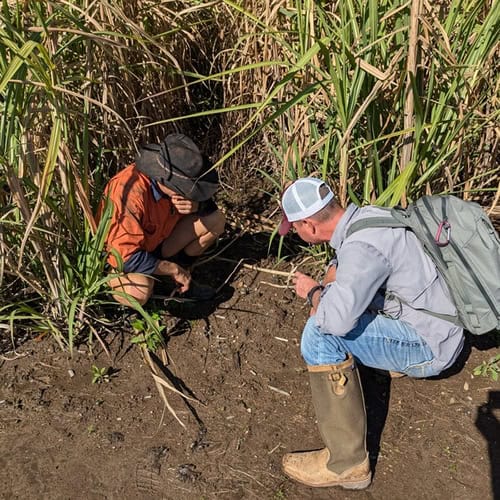
We helped secure over $1 billion in funding to eradicate fire ants.
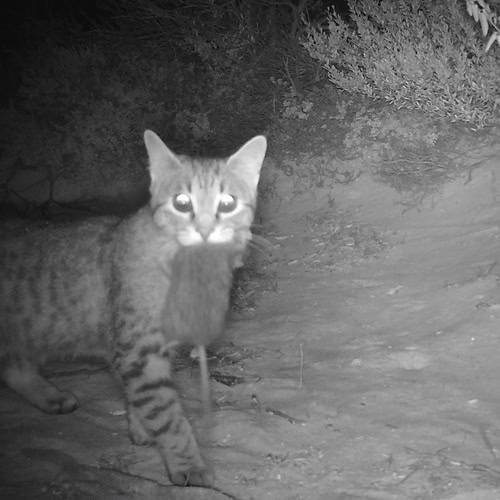
We won national action on Australia’s most destructive invasive species.
Our campaigning secured federally funded national coordinators for feral cats, foxes, pigs and deer – working towards coordinated action across state borders where piecemeal efforts were failing.

We’ve forced invasive species onto the federal agenda - repeatedly.
From historic national feral cat plans to Senate inquiries that unlocked bipartisan support and funding, we’ve turned expert warnings into government action when it mattered most.